"Is Vietnam safe" is one of the most searched questions about this country, and most of what comes up either overstates the risk to sound dramatic or dismisses every concern to sound reassuring. Neither is that useful when you're actually deciding whether to book. Here's the direct version, question by question.
The short version
Overall: yes, genuinely. Violent crime against tourists is rare, and Vietnam is consistently ranked among the safer countries in Southeast Asia to visit.
What to actually watch for: petty theft in crowded areas, a handful of well-known scams, and traffic, which takes getting used to more than any personal safety concern does.
Solo travelers, including solo women: this is one of the more solo-friendly countries in the region, tourism infrastructure is built for it, and it's common to see people travelling alone here.
Is Vietnam safe for solo female travelers?
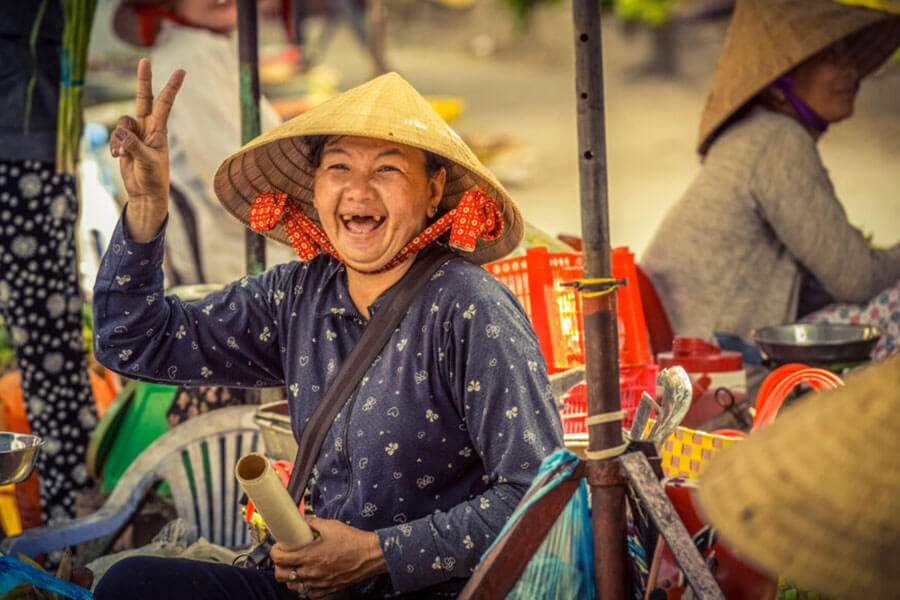
Yes, and it's genuinely one of the more comfortable countries in Southeast Asia to do it in. Harassment happens, as it does anywhere, but it's not a defining feature of travelling here the way it can be in some other destinations. The usual sense checks apply: stick to well-lit, busy streets late at night, keep half an eye on your drink at bars, and trust your instincts if a situation feels off. Beyond that, most solo women who've done it will tell you the biggest challenge was the traffic, not their personal safety.
What about scams?
There are a handful that come up often enough to be worth knowing: inflated taxi meters in tourist-heavy areas (stick to Grab or a reputable metered company), vendors who quote one price and charge another, and the odd "friendly local" offering an unsolicited tour that ends with a payment request. None of these are dangerous, they're irritating at worst, and knowing they exist is most of the defence against them. Our guide to Vietnam etiquette covers the everyday manners and situations that come up, scams included.
Is the traffic as bad as people say?
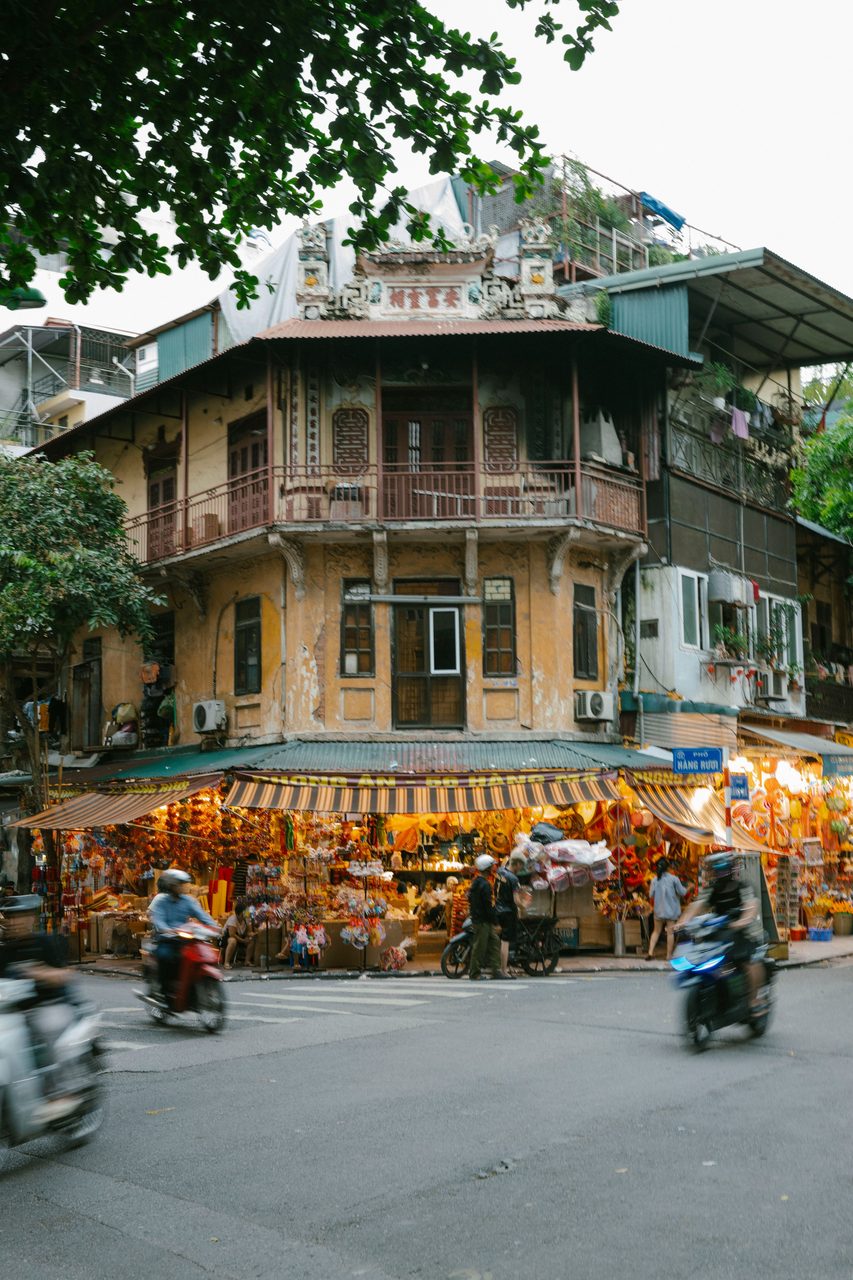
Yes, and this is genuinely the thing most likely to rattle a first-time visitor, more than any crime concern. Crossing a busy street in Hanoi or Saigon looks chaotic from the pavement and feels completely different once you've done it: walk at a steady pace, don't stop or run, and let the scooters flow around you. It clicks after a day or two. If you're nervous about it, Grab handles the ride-hailing side of things well, and a private car with a driver removes the question entirely for longer trips between cities.
Do I need to worry about food and water?
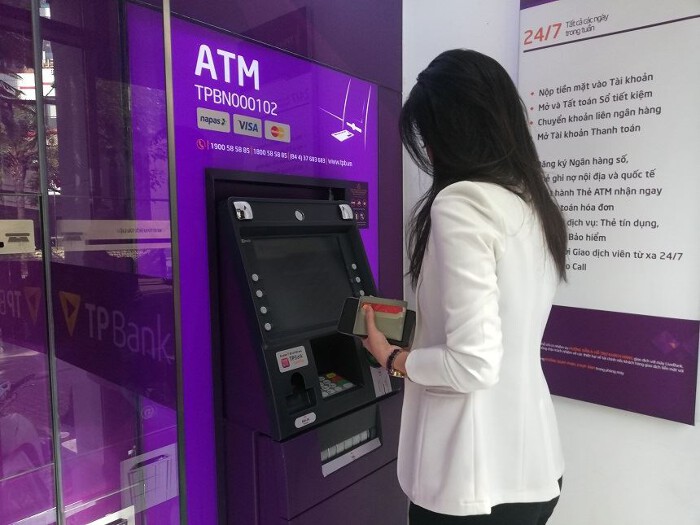
Stick to bottled or filtered water, which is the standard advice for most of Southeast Asia and easy to follow, it's sold everywhere. Street food is generally safe and often better than restaurant food, the general rule of thumb is to eat where there's a steady stream of locals rather than an empty stall, since turnover means freshness. Beyond that, normal travel sense applies: wash your hands, and don't push through a meal that smells or tastes off just to be polite.
Is Vietnam safe at night?
Yes, in the areas you'd expect to be out in. Hanoi's Old Quarter, Da Nang's beach strip and Saigon's central districts are all lively and well-populated well into the evening, and that crowd is itself a form of safety. As with any city anywhere in the world, the advice is the same: stick to areas with people around, keep valuables out of sight, and use a ride-hailing app rather than flagging down an unmarked taxi late at night.
Where pickleball fits into all this

This might sound like an odd place for pickleball to come up, but it's actually a decent proof point: courts here are social by default, and turning up alone to a session is one of the easiest, lowest-stakes ways to meet people who actually live here rather than other tourists. If part of your hesitation about a solo trip is the idea of spending it alone, that's worth knowing. Our guide to playing pickleball in Vietnam covers how to find a game as a visitor, city by city.
Still deciding?
Private trips, no fixed departures, and a guide who's there for you specifically, not managing a bus of twenty. If safety is the last thing on your list before booking, ask us anything.
WhatsAppThe bottom line
Vietnam is safe. Not risk-free, nowhere is, but safe in the way that matters: low violent crime, a genuine solo and solo-female travel culture, and a small, known list of everyday annoyances rather than real dangers. The traffic will surprise you more than anything else on this list, and even that stops being a problem by day two.