The first game is always fine. It's the third one, around 8:30am, when the sun comes over the fence and your shirt is already soaked, that catches visitors out. Playing pickleball in the heat in Vietnam isn't dangerous if you respect it, but it is different from a hot day at home, mainly because of the humidity. Here's how the locals handle it, what changes in your game, and the signs that it's time to sit down.
The short version
Play early or late: 5:30 to 8am, or after 5pm. That's when Vietnamese players are on court, and there's a reason.
Go easy for the first three days. Your body needs time to adjust to heat and humidity together. Full adjustment takes one to two weeks.
Drink before you're thirsty, and add electrolytes. Water alone isn't enough when you sweat this much.
Expect a faster ball and a slippery grip. Bring overgrips and a towel.
Stop at the first sign of dizziness, nausea or a pounding headache. Confusion is an emergency.
Why the heat feels different in Vietnam
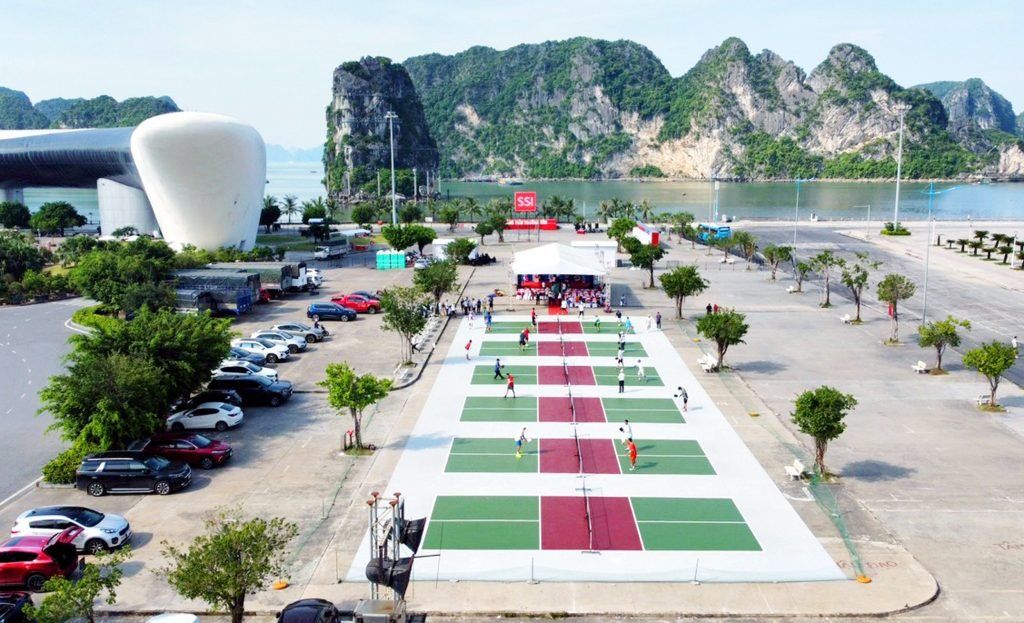
Your body cools itself by sweating, and the sweat cools you when it evaporates. In dry heat, that works well. In Vietnam, the humidity is often 70 to 85%, so sweat just runs off you instead of evaporating. You lose the water without getting the cooling.
That's why sports doctors use a measure called the wet bulb globe temperature, which combines heat, humidity and sun. Many guidelines suggest cutting back on hard exercise once it passes about 27°C and avoiding it above about 29°C. A normal Saigon morning can reach that range by 9am. You don't need a thermometer on court. Just know that a number that sounds fine on your weather app can feel much harder here.
For the weather month by month, see the best time to visit Vietnam.
Play when the locals play
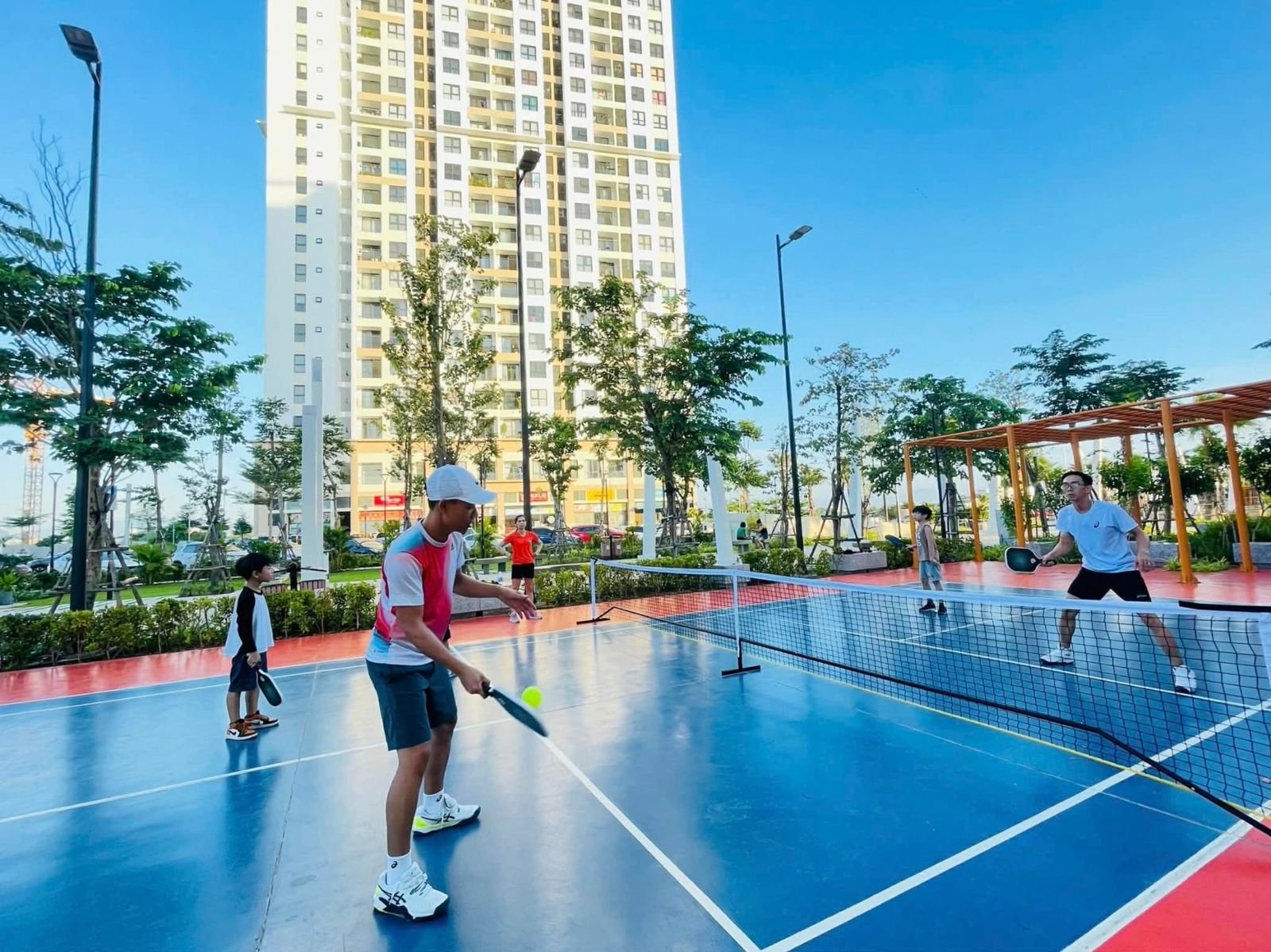
Vietnamese players worked this out long ago. The busiest times on court are 5:30 to 8am and 5 to 9pm. Between 10am and 3pm, outdoor courts are mostly empty, and you should take the hint.
- Early mornings are the coolest and the most social. Jet lag helps here: you'll be awake anyway.
- Evenings are warmer than mornings but the sun is gone, and most courts have floodlights.
- Covered courts keep the sun off, which helps a lot, but they don't cool the air. Many clubs in the south and centre are covered. Our guides for Saigon, Da Nang and Hanoi list them.
- Air-conditioned courts exist but are rare. A few resorts have indoor courts: see resorts with pickleball courts.
Your first three days: acclimatise
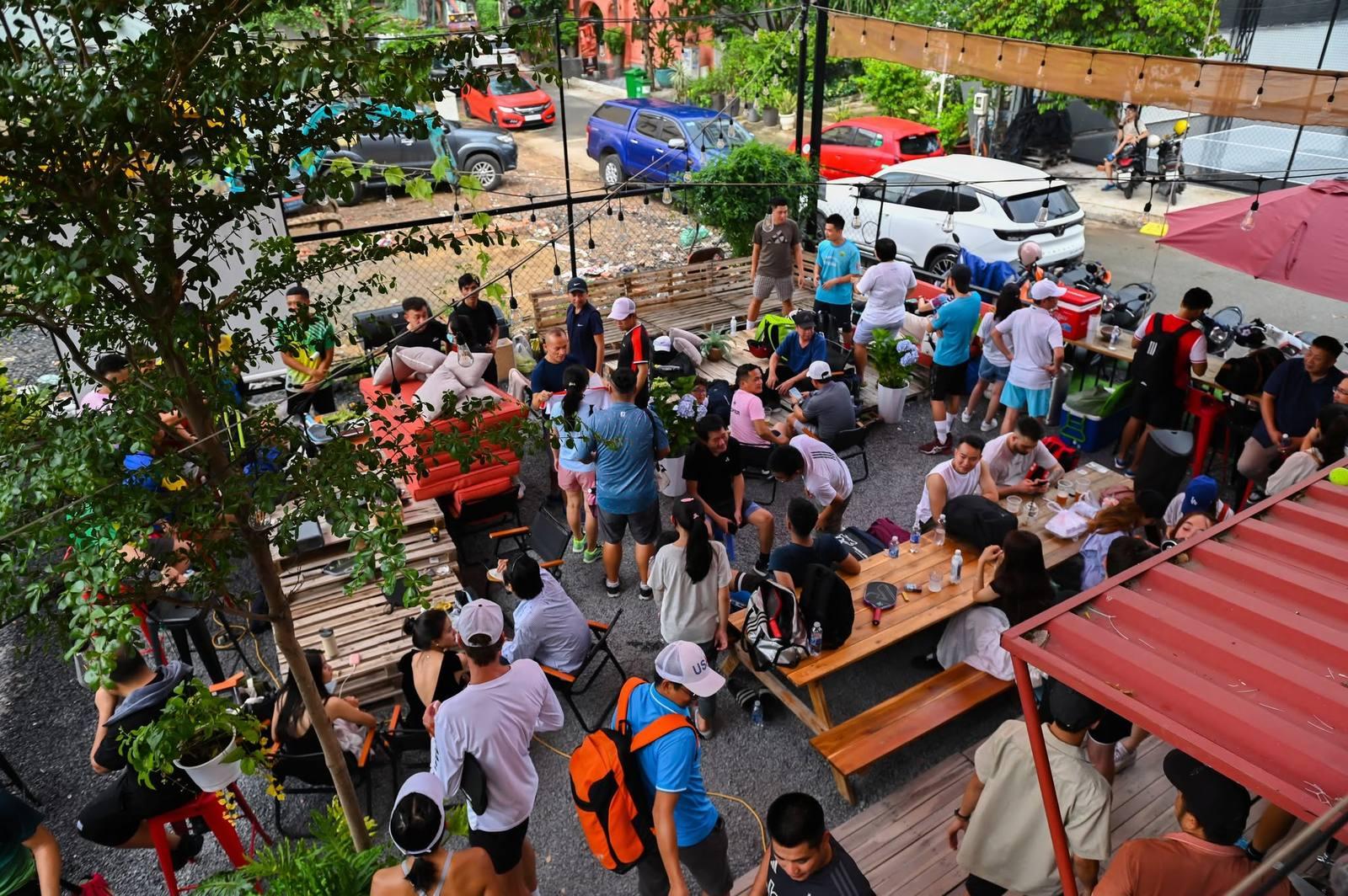
Your body gets better at handling heat with practice: you start sweating earlier, lose less salt, and your heart rate stays lower. Most of that happens over about ten days to two weeks. That's longer than many holidays, so the first few days matter most.
- Day 1 or 2: play one or two games, not a full session. Stop while you still feel good.
- Days 3 to 5: build up to an hour, with a break in the shade between games.
- After that: play your normal session, but keep it in the cooler hours.
This matters even more if you've flown in from a northern winter. Your body is ready for 5°C, not 32°C. It matters too if you're over 60 or take blood pressure medication or diuretics, which can affect how you handle heat. If that's you, a quick word with your doctor before the trip is a good idea.
Hydration: what and how much
In humid heat you can easily lose more than a litre of sweat an hour, and a lot of salt with it. Drinking only water replaces the fluid but not the salt, and that can leave you feeling flat, crampy and headachy.
- Before: drink a big glass of water when you wake up, and another before you start.
- During: sip between every game, not just when you're thirsty. By the time you feel thirsty you're already behind.
- Add electrolytes. Every corner shop sells sports drinks like Pocari Sweat and Revive. Pharmacies sell cheap oral rehydration sachets (look for Oresol). Fresh coconut water is everywhere too.
- After: keep drinking through breakfast. A bowl of pho is a surprisingly good recovery meal: salt, water and carbs.
- Check your pee. Pale yellow is good. Dark yellow means drink more.
One honest note: a few too many cold beers the night before make the next morning much harder. Vietnam's street-side beer is part of the fun, just keep it for the nights before a rest day.
What the heat does to your game
The ball plays faster
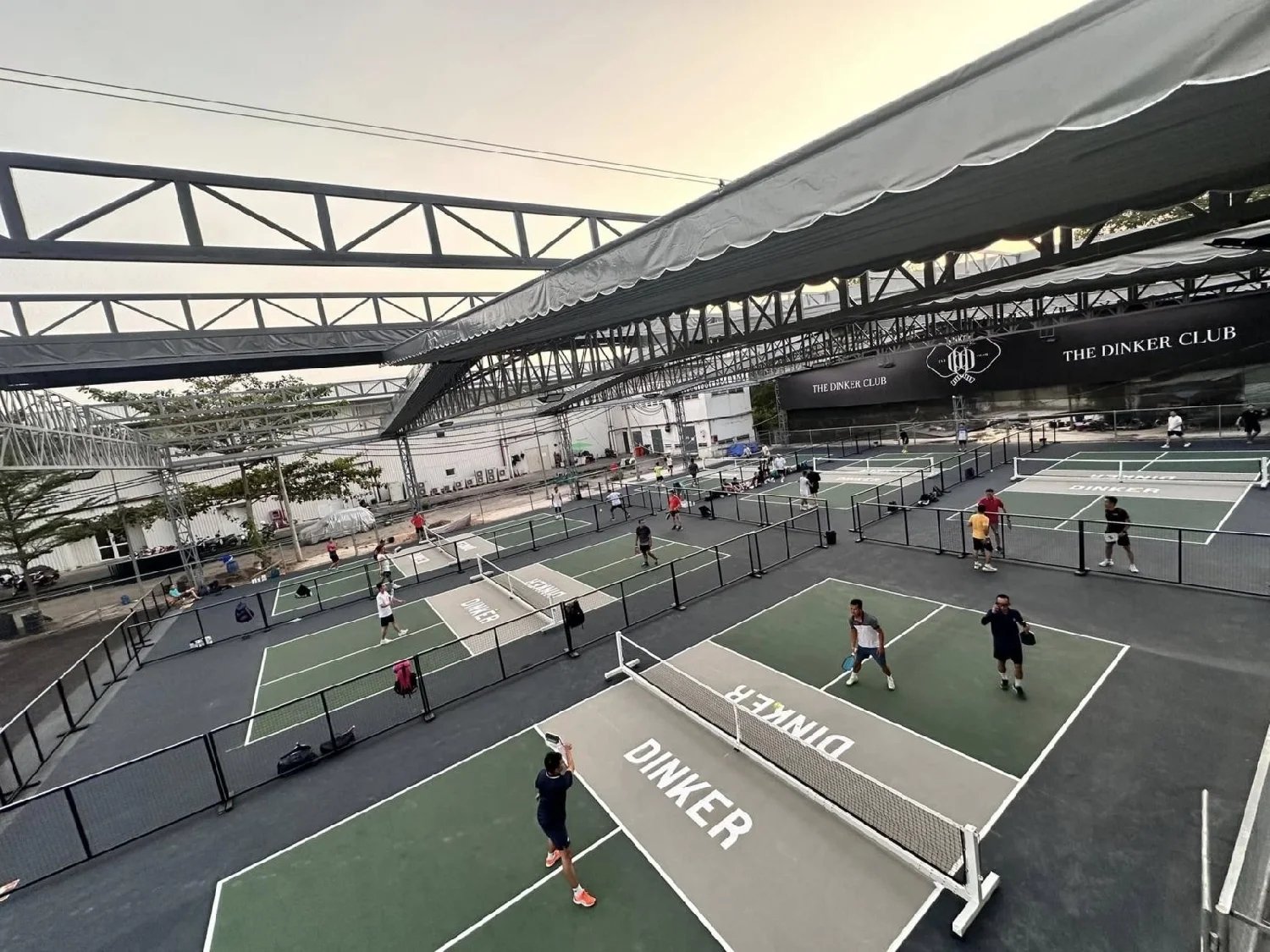
Balls get a little softer and bouncier in the heat, and hot courts add pace. Dinks sit up more, drives come through quicker, and lobs can fly long. Take a couple of warm-up rallies to adjust your touch. The good news: balls rarely crack in the heat the way they do in cold weather.
Your grip gets slippery
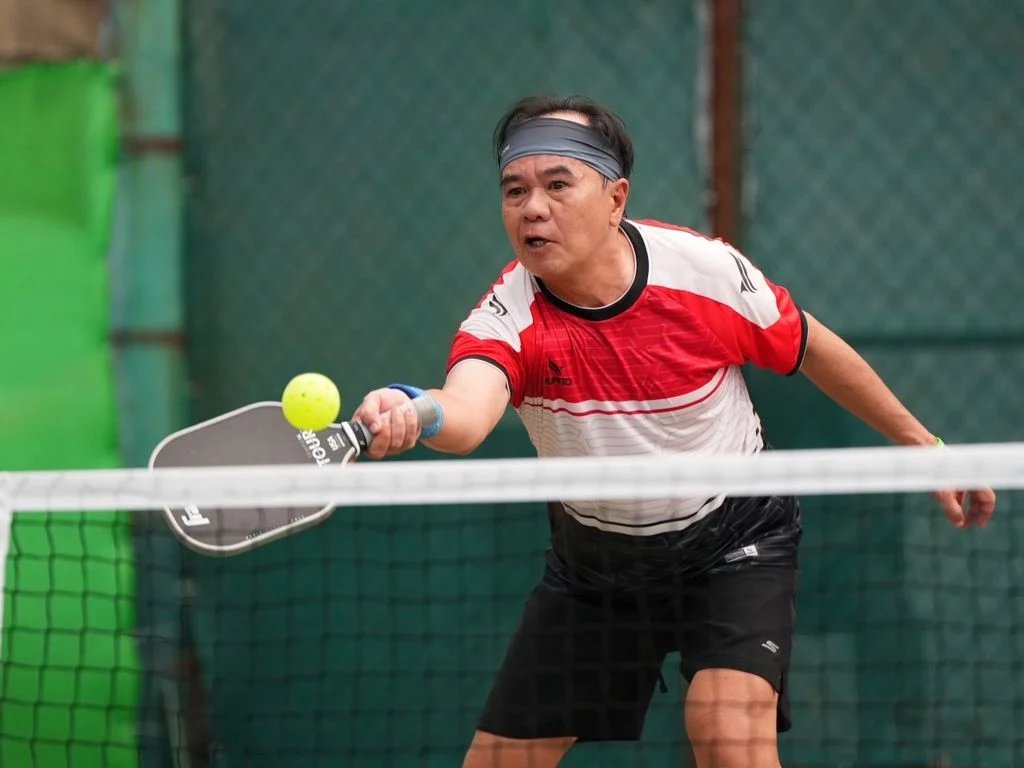
Sweaty hands are the biggest change in your game. A wet grip means you squeeze harder, which ruins your soft game and tires your forearm. Bring a few spare overgrips (a tacky or absorbent one works best here), change them often, and keep a small towel and a wristband within reach. Wiping your hand between points helps more than you'd expect.
Look after your paddle
Don't leave your paddle in a car or in direct sun for hours. Very high heat isn't good for the edge guard or the glue in some paddles. Keep it in its cover and in the shade.
Heat exhaustion: the signs, and when to stop
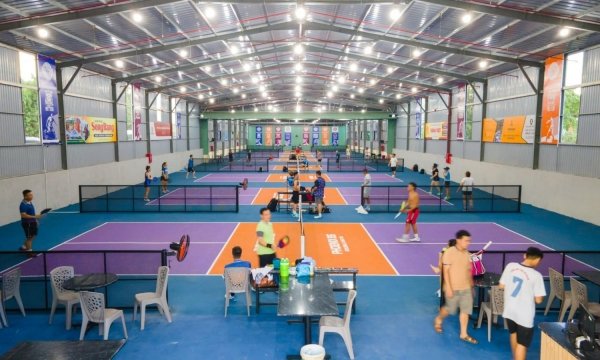
Most people just feel tired and hot. But know the warning signs, for yourself and your partner. Stop playing, get into the shade and cool down if you notice:
- Dizziness or feeling faint
- Nausea
- A pounding headache
- Cramps, especially in the legs or stomach
- A racing heart that doesn't settle between points
- Very heavy sweating with cold, clammy skin
To cool down: sit in the shade or somewhere with air-con, put a wet towel on your neck and head, sip water with electrolytes, and rest until you feel completely normal. Don't go back on court the same morning.
Confusion, slurred speech, collapsing, or hot skin with little or no sweating are signs of heat stroke, which is a medical emergency. Cool the person down straight away and get help. The ambulance number in Vietnam is 115, but in a city a taxi to the nearest hospital is often faster. Your club or your guide will know the closest one.
Want the timing sorted for you?
Every trip we plan is private: just you, your partner or a few friends, on your dates. We book courts in the cooler hours, choose covered courts when it's hot, and keep your afternoons free.
See the tripsRain, storms and wet courts
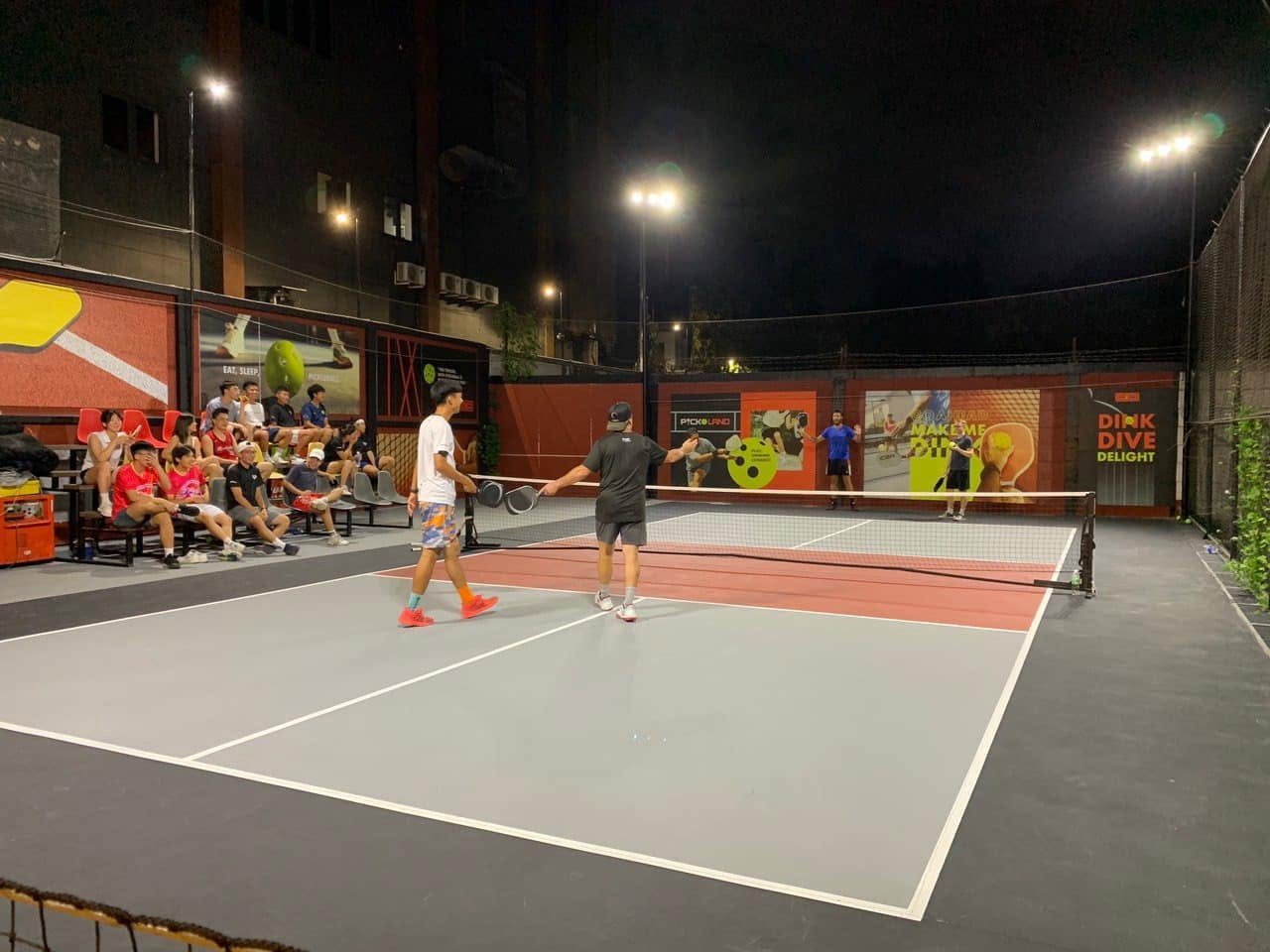
From about May to October in the south, and September to December in the centre, heavy afternoon and evening storms are common. They usually pass in an hour. A few things to know:
- Don't play on a wet outdoor court. Acrylic surfaces get very slippery. Wait for staff to squeegee it dry.
- Lightning means off the court, even under a roof with open sides.
- The air after a storm is often the most pleasant of the day, so it's worth waiting.
Clothes and sun protection
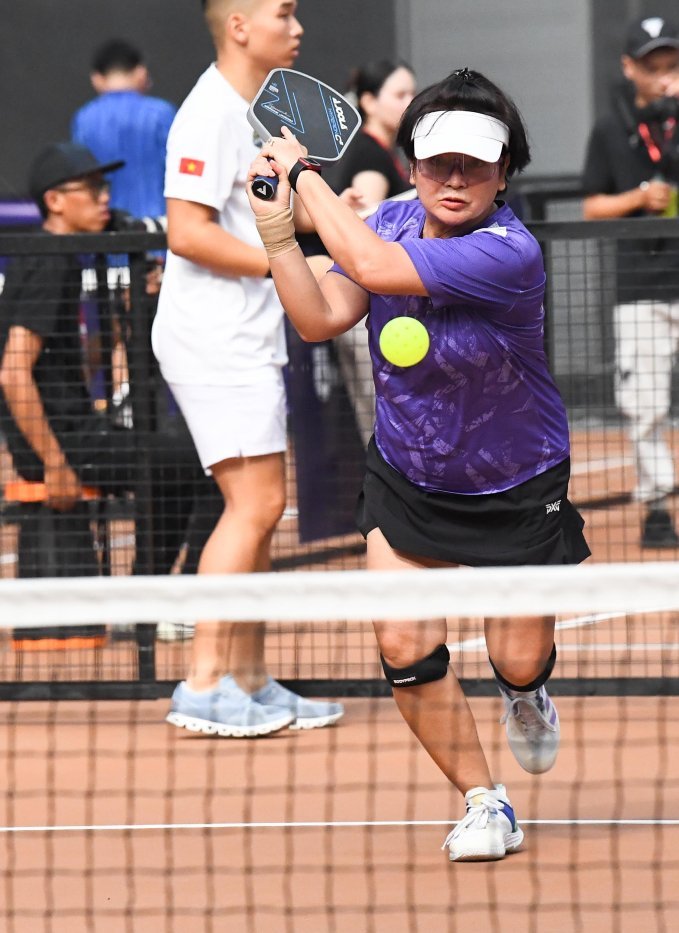
What you wear makes a big difference: light-coloured wicking fabrics, a vented cap or visor, SPF 50, and sun sleeves if you burn easily. We've written a full guide on what to wear for pickleball in Vietnam, from shirts and shoes to what to pack for Hanoi in winter.
Which months are easiest to play
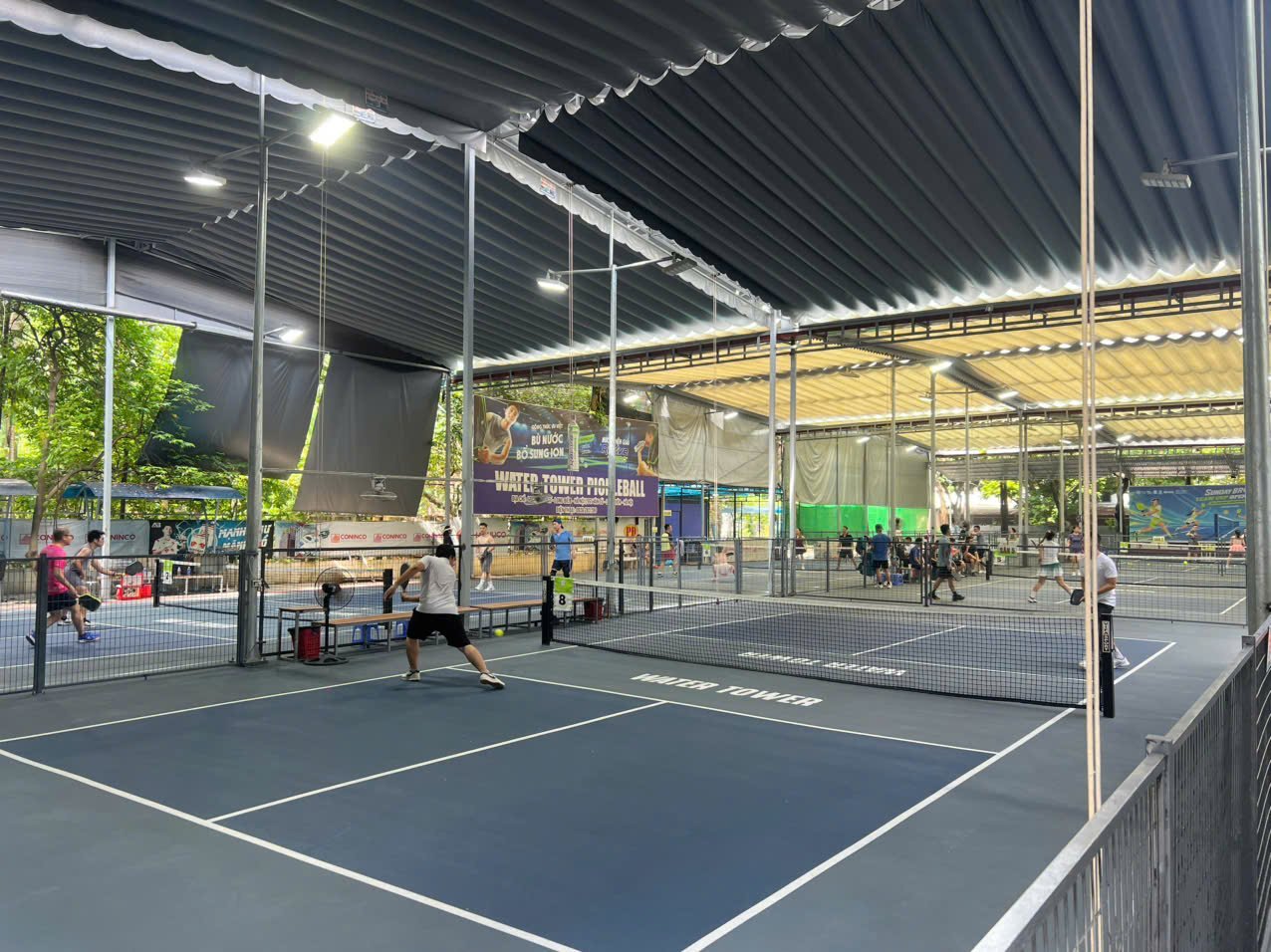
- Hanoi, October to April: the coolest and easiest playing weather in the country. December to February mornings can be chilly.
- Da Nang, February to April: warm but manageable. From June to August, stick to early mornings.
- Saigon, December to February: the least humid months. The rest of the year, play early and choose covered courts.
And yes, you can play pickleball in Vietnam in April, or even July. You just play it the Vietnamese way: early, in the shade, and with a drink in reach.
The bottom line
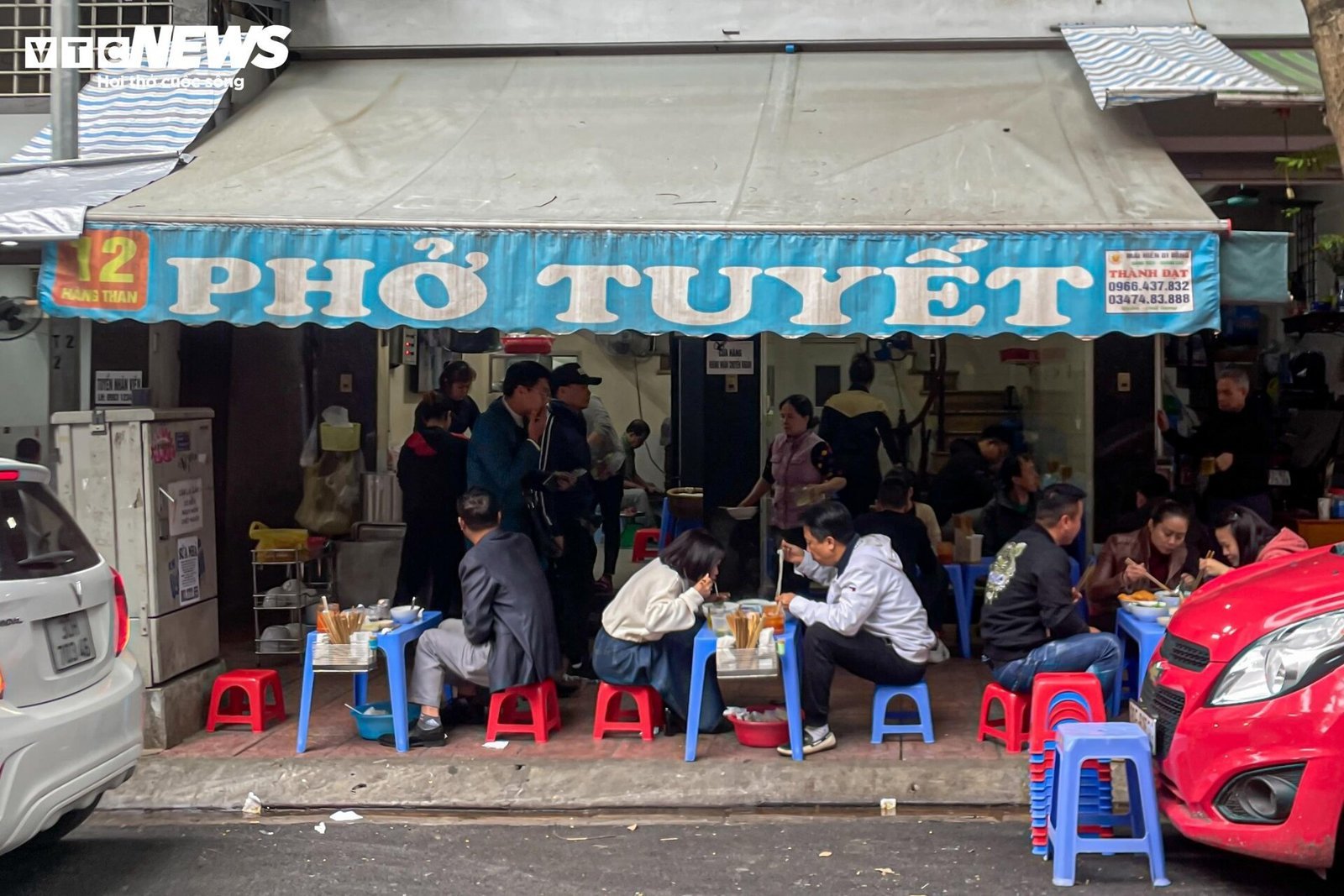
Playing pickleball in the heat in Vietnam is easy to get right: play early, go easy for the first few days, drink with electrolytes, and stop at the first warning sign. Do that and the heat becomes part of the charm, not a problem. Finish your game by 8am, have pho and an iced coffee, and you've done it like a local. If you're still deciding where to go, read why Vietnam belongs on your pickleball vacation list, or see our tips for travelling Vietnam over 60.
This guide is general information for healthy adults, not medical advice. If you have a heart condition or take regular medication, talk to your doctor before playing sport in hot weather.