Almost everyone's first trip to Vietnam follows the same line: Hanoi, Ha Long Bay, Hoi An, Saigon, maybe Sapa or the Mekong. That makes sense. It's a new country, time is short, and you don't want to miss the places everyone talks about. But once you've done them, you realise how much of the map you flew over. This guide is for the second trip: eleven places that real travellers go to, that are worth the effort, and where, in 2026, you'll still find a pickleball court and someone to play with.
The short version
North: Cao Bang for Ban Gioc waterfall, Mai Chau for valley homestays, Pu Luong for rice terraces without the crowds.
Centre: Phong Nha's caves and the DMZ, then Hue, the old imperial capital most first-timers skip.
Central Highlands: Kon Tum, Gia Lai (Pleiku), Dak Lak (Buon Ma Thuot) and Da Lat: coffee, volcanoes, pine forests and a completely different Vietnam.
South-central coast: Mui Ne's dunes and Ninh Thuan's empty bays, Cham towers and vineyards.
Pickleball: it's everywhere now. Even Cao Bang, up on the Chinese border, held a provincial youth tournament in 2026.
Why a second trip to Vietnam is the better one
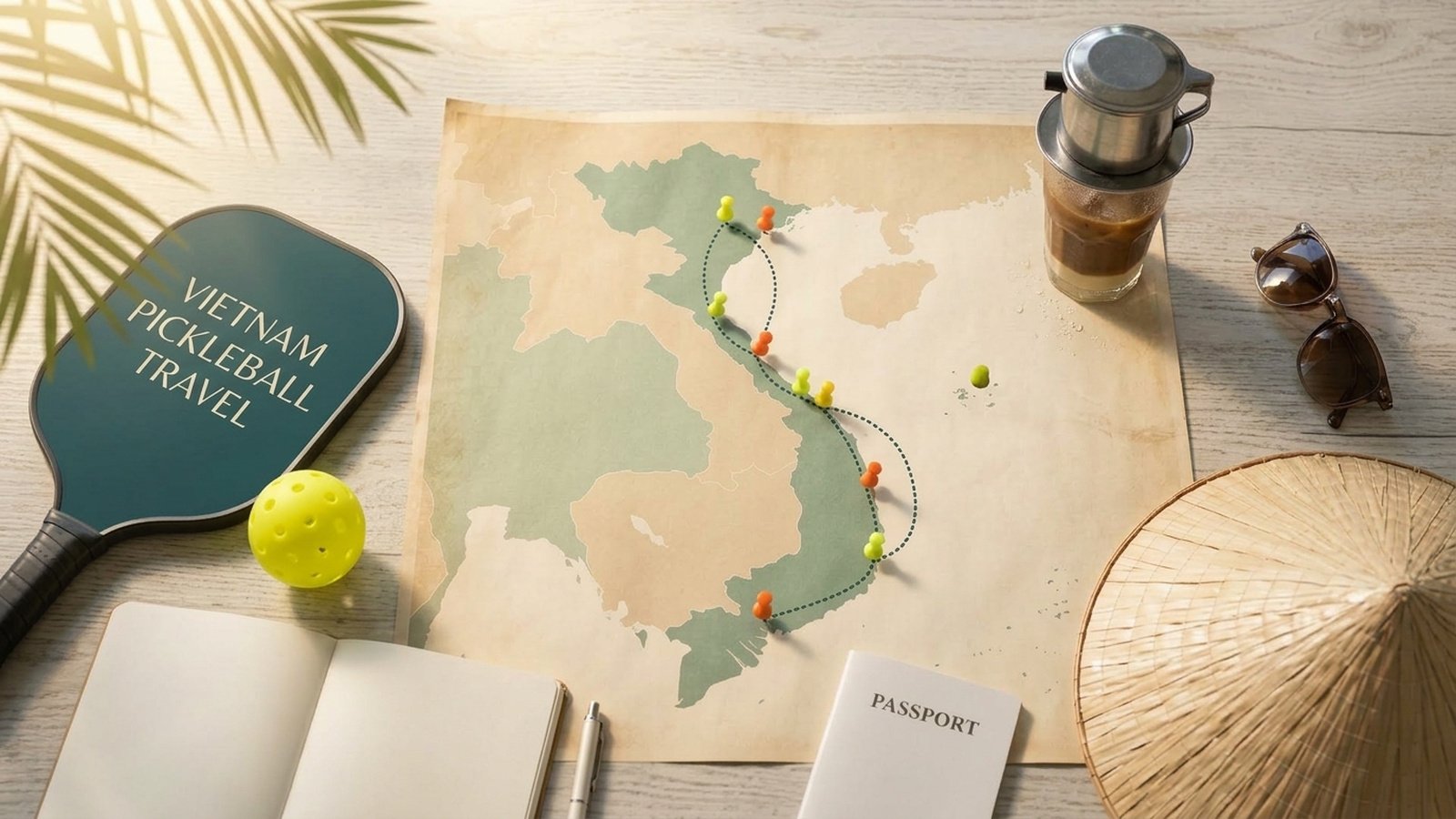
On a second trip you already know how Vietnam works. You can cross a road, order a coffee, and you know Grab is cheap and the trains are slow. That frees you up to go further: into the mountains, up to the border, onto the plateau. These places have tourists, just fewer of them, and the ones you meet usually chose to be there.
A quick note on names. In July 2025 Vietnam merged its 63 provinces into 34, so a few places on this list now sit inside bigger provinces: Quang Binh is part of Quang Tri, Kon Tum is part of Quang Ngai, Binh Thuan is part of Lam Dong, and Ninh Thuan is part of Khanh Hoa. The towns, the sights and the signs you'll follow haven't moved. You might just see a different province on your hotel booking.
Pickleball has gone everywhere
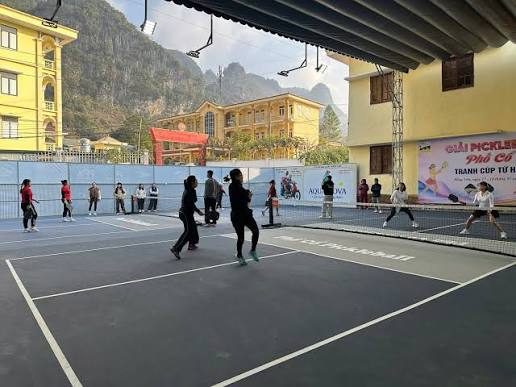
Two years ago you'd only find pickleball in Hanoi, Da Nang and Saigon. Now it's in every provincial town we know. In Buon Ma Thuot, courts went up so fast that the city had to deal with some built without permission on farmland. Mai Chau, a valley of stilt houses, has indoor courts above a restaurant. That's good news for you: wherever you go on a second trip, there's usually a morning game within reach, and in smaller towns a visitor on court is still a novelty, so you'll be very welcome.
For the big-city scene, see where to play pickleball in Vietnam and how Vietnam's pickleball boom happened.
Northern Vietnam off the beaten path
1. Cao Bang: Ban Gioc waterfall and the border karst
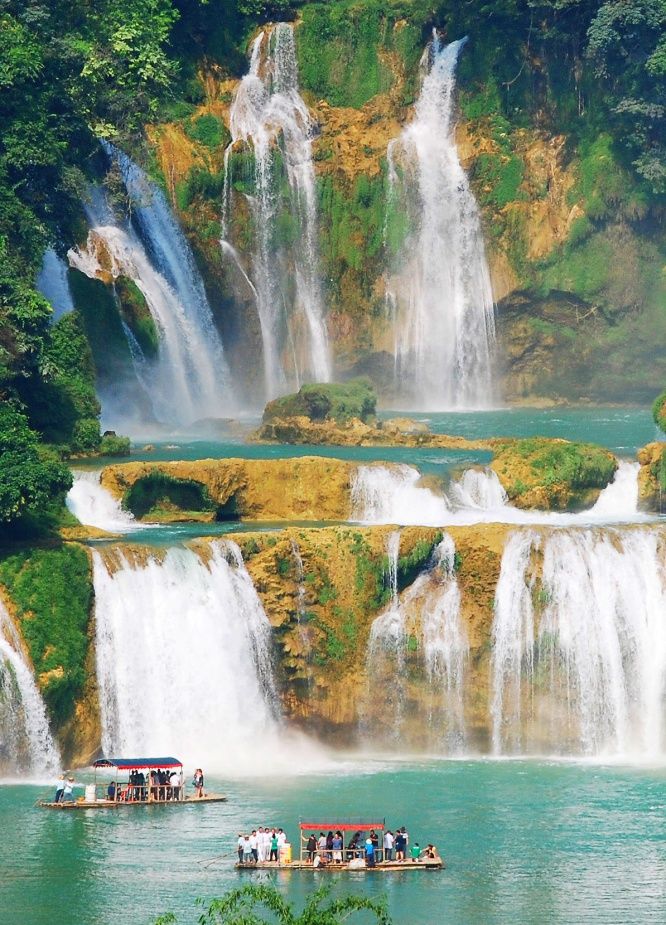
Cao Bang is the far north-east, right against the Chinese border, and it's one of the most beautiful drives in the country: green rice valleys between tall limestone peaks. The whole area is a UNESCO Global Geopark.
- Ban Gioc waterfall: wide, multi-tiered falls shared with China. Take a bamboo raft to the foot of the falls. Entry is about 40,000 VND and the raft about 50,000 VND.
- Nguom Ngao cave: 2 km from the falls, well lit and easy to walk.
- Pac Bo: the cave where Ho Chi Minh lived after returning to Vietnam in 1941, beside a clear green stream.
- Thang Hen lake and Mat Than mountain ("the God's Eye"), a peak with a huge hole right through it.
Getting there: Ban Gioc is about 335 km from Hanoi, 6 to 8 hours by car. Allow at least three nights, ideally with a night in Cao Bang city and one near the falls. Best time: August to October, when the falls are full and the rice is golden.
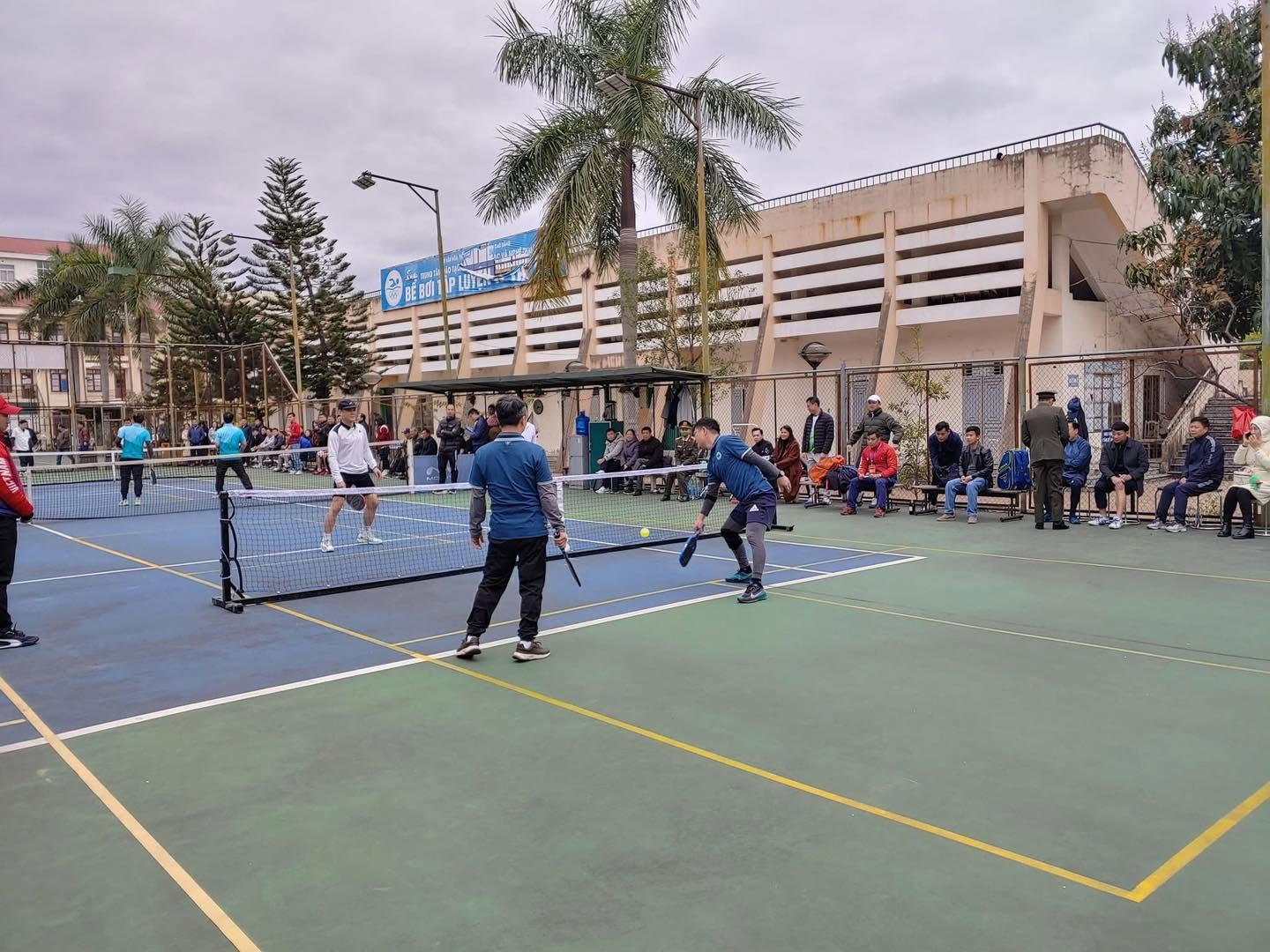
Pickleball: play in Cao Bang city, not out by the falls. The sport has taken off here too, and in 2026 the province held a pickleball and badminton tournament for its young players.
2. Mai Chau: stilt houses and bicycles
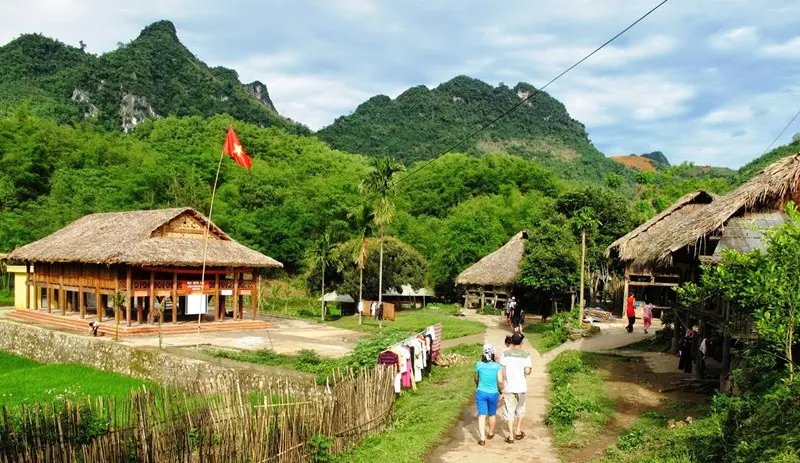
Mai Chau is a wide valley about three and a half hours west of Hanoi, home to White Thai villages like Lac and Pom Coong. It's the gentlest mountain trip in the north: you sleep in a stilt-house homestay or a small lodge, cycle between rice fields, and watch the mist lift off the hills in the morning. Evenings often end with local dancing and rice wine.
It works well as a two-night stop on its own, or as the first part of a trip to Pu Luong.

Pickleball: this is the one that surprises people. Mai Chau town has two indoor courts on the top floor of a restaurant, open from early morning into the evening, from around 70,000 to 150,000 VND an hour.
3. Pu Luong: rice terraces without the crowds
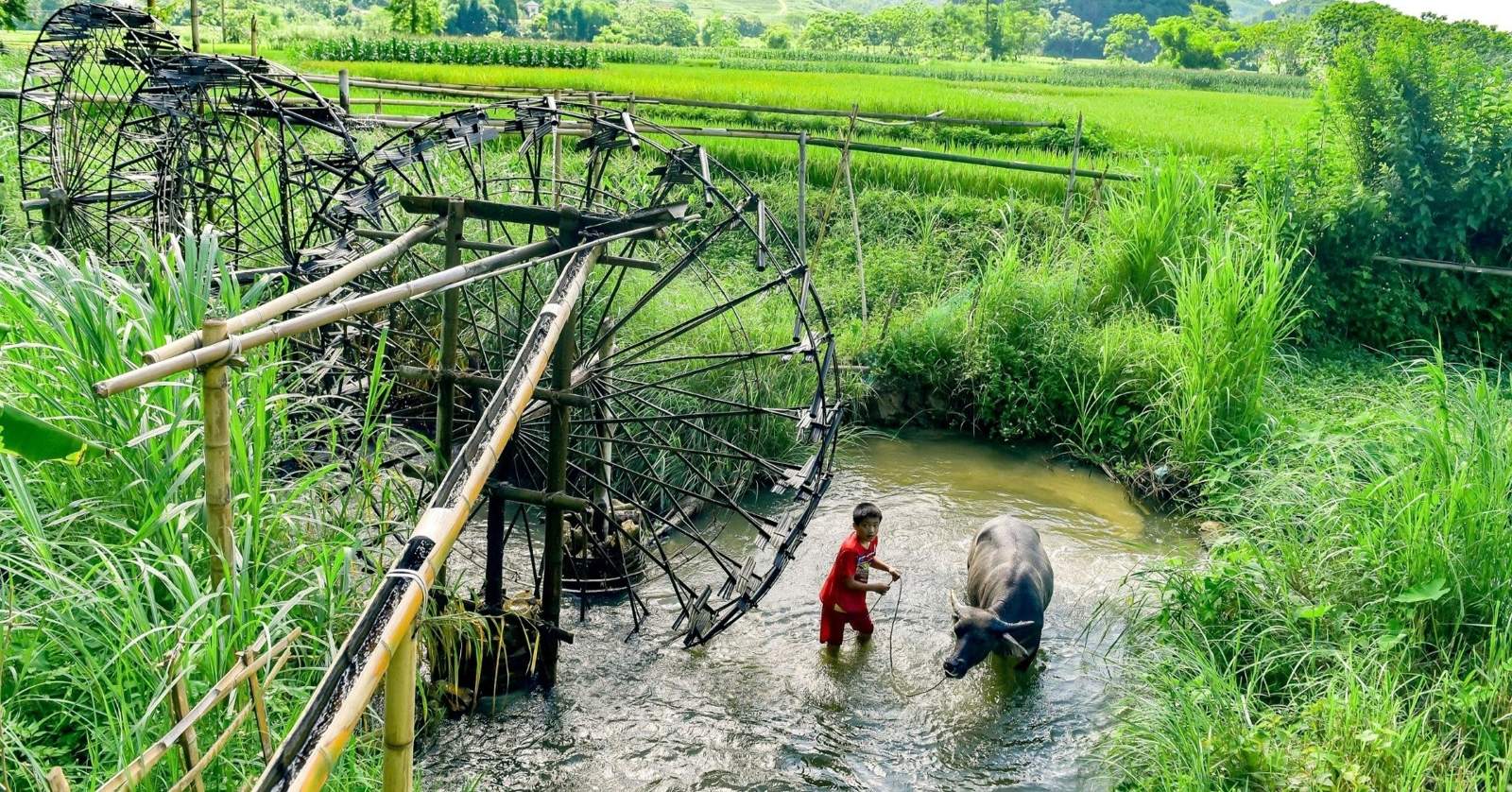
Pu Luong is a nature reserve in Thanh Hoa, about one and a half to two hours past Mai Chau. It has the rice terraces people go to Sapa for, without the crowds or the long drive. Walk between Thai and Muong villages, see the bamboo water wheels, swim under Hieu waterfall, and stay in an eco-lodge with a view of the valley. September is harvest time, when the terraces turn gold; May and June are bright green.
We wrote more about it in Vietnam's quieter corners.
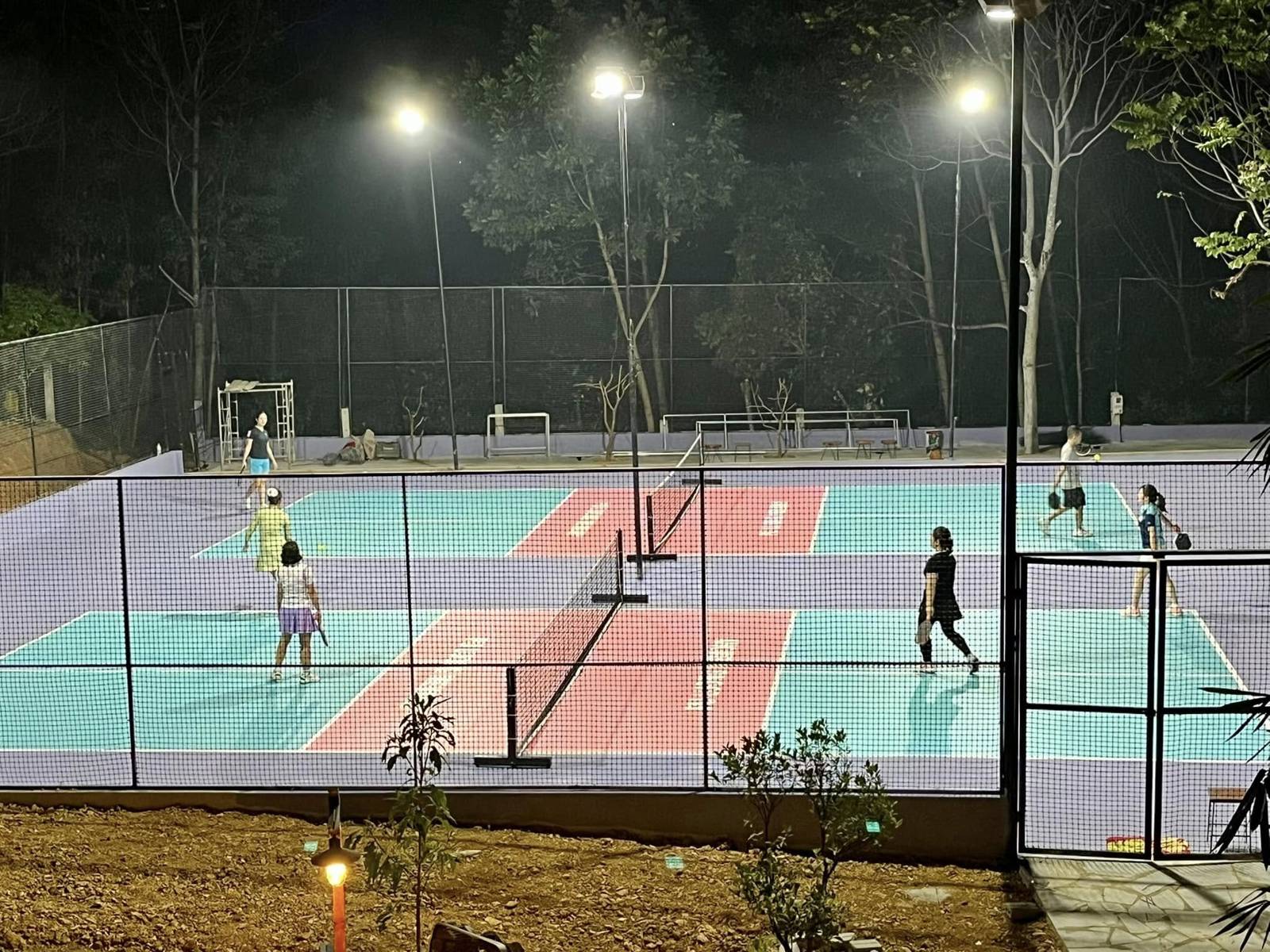
Pickleball: there are no courts inside the reserve. Play in Mai Chau on the way in or out, and treat Pu Luong as your rest days.
Central Vietnam off the beaten track
4. Phong Nha (Quang Binh): the cave capital of the world
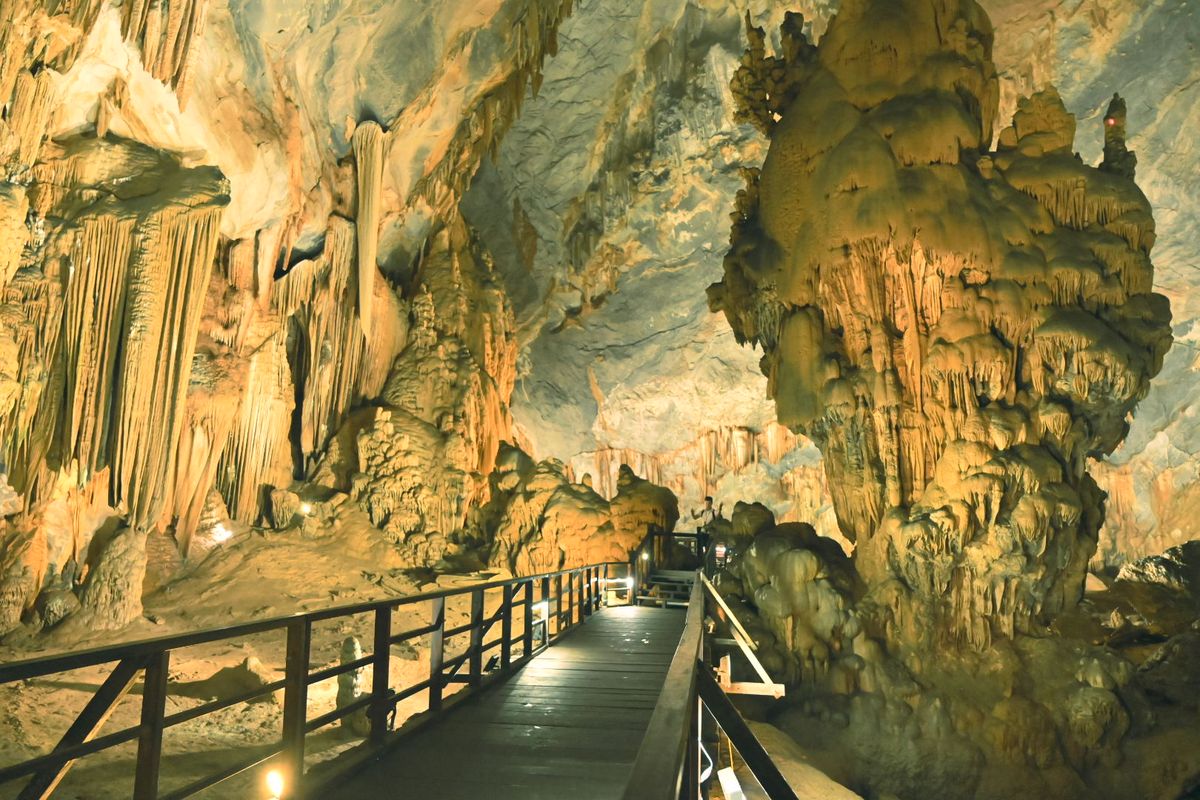
Phong Nha-Ke Bang National Park is a UNESCO World Heritage Site full of enormous caves, and you don't have to be a caver to enjoy it:
- Paradise Cave: a long wooden boardwalk through huge chambers of white stalagmites. Easy for anyone.
- Phong Nha Cave: reached by boat along the river.
- Dark Cave: zipline in, swim through the dark, and roll in the mud bath. Great fun if you don't mind getting dirty.
- Son Doong: the largest known cave in the world. Only one operator, Oxalis, is licensed, visits are limited to around 1,000 people a year, and the multi-day expedition costs from about US$3,000. Hang En, where the Son Doong trek spends its first night, can be done on its own for much less.
Getting there: fly into Dong Hoi, about 45 minutes from Phong Nha town. Two or three nights is enough for most people.
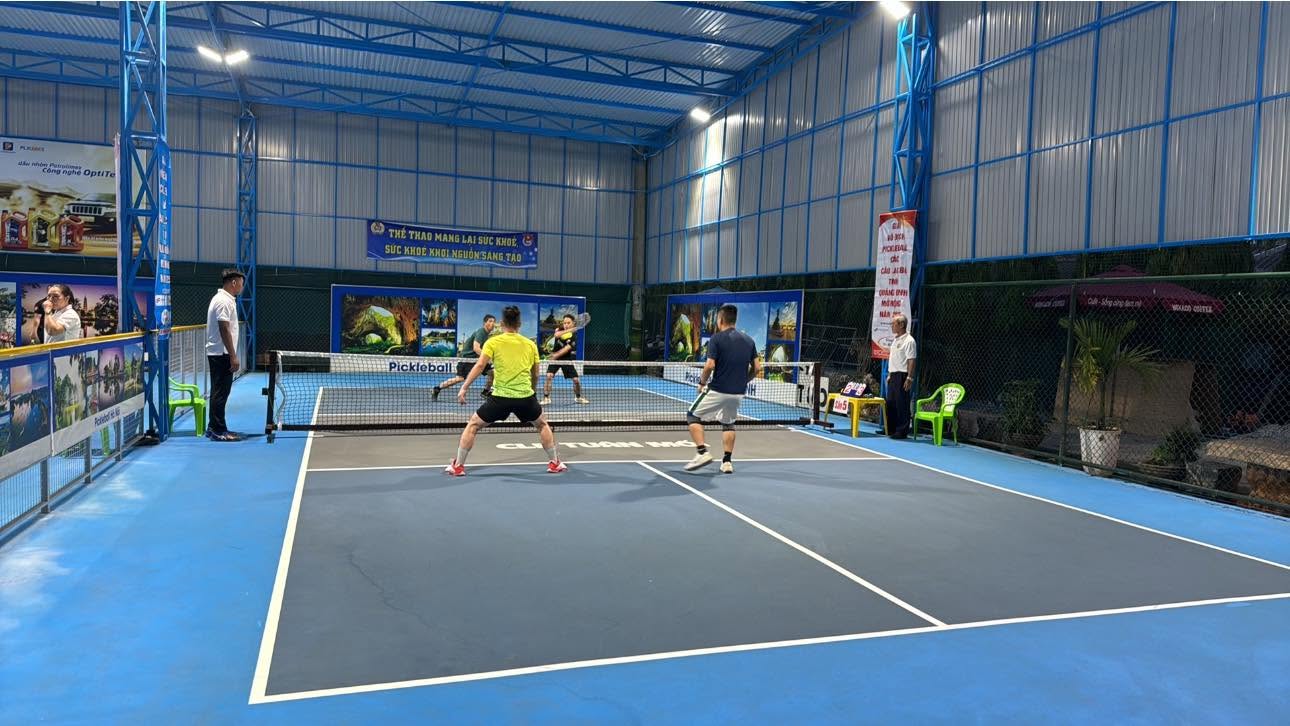
Pickleball: Dong Hoi has a busy scene with around ten courts. Stay a night in Dong Hoi and play in the morning before driving out to the caves.
5. The DMZ: Vinh Moc tunnels and Hien Luong bridge

Between Phong Nha and Hue is the old Demilitarised Zone along the 17th parallel, which divided North and South Vietnam from 1954 to 1975. It's a moving day out, and a good one to do with a guide who can explain the history:
- Hien Luong bridge over the Ben Hai river, painted half one colour and half another during the war.
- Vinh Moc tunnels: a whole village that lived underground for years, with family rooms and even a maternity room. Less crowded and more personal than Cu Chi.
- Khe Sanh and the Truong Son national cemetery, for those who want to go deeper.
It fits neatly into the drive from Phong Nha to Hue. If you've been to the tunnels near Saigon, read our Cu Chi tunnels guide for the comparison.
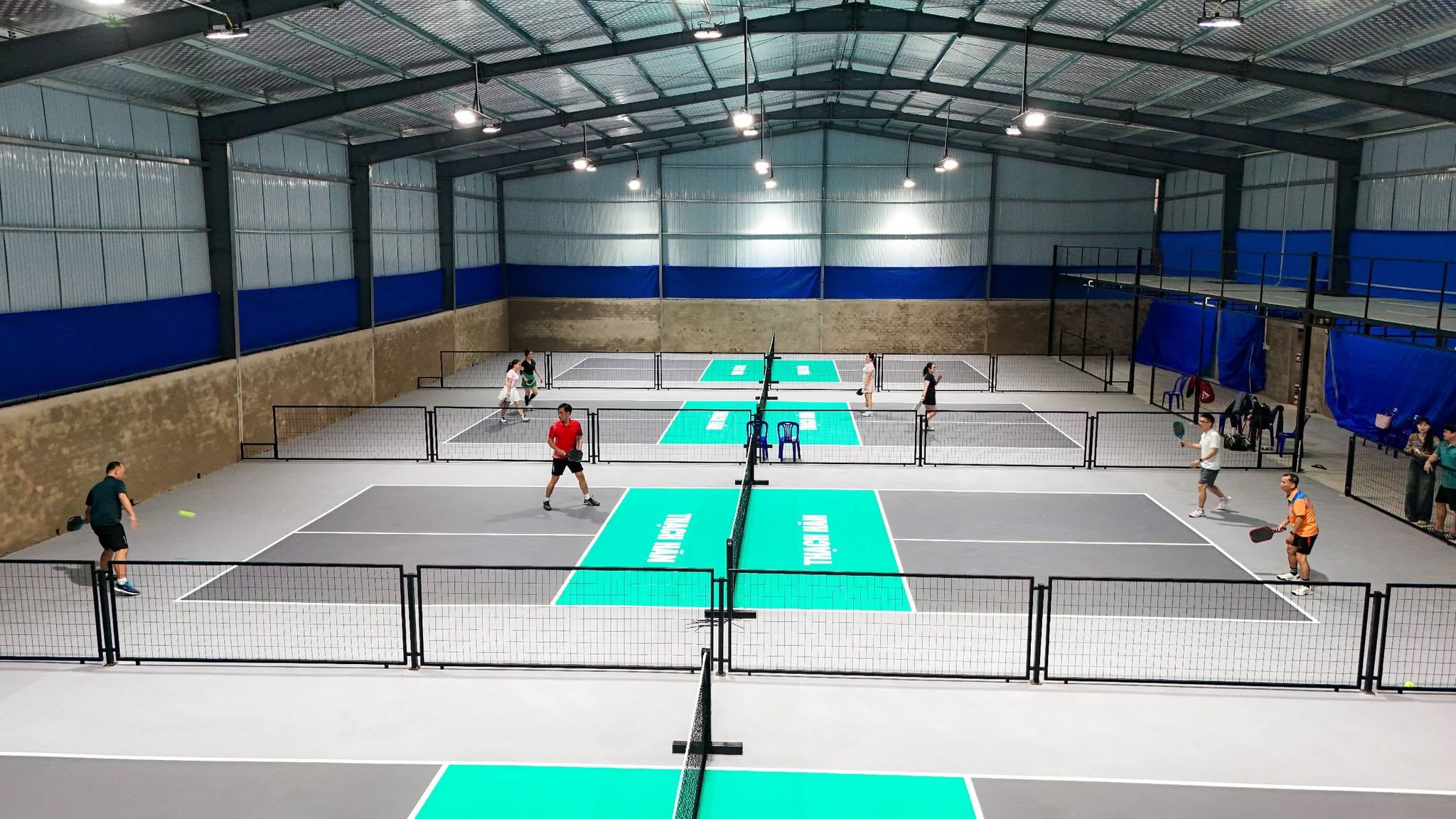
Pickleball: most DMZ days start early from Hue or Dong Hoi, so play the morning before or after in either city.
6. Hue: the imperial capital most people skip
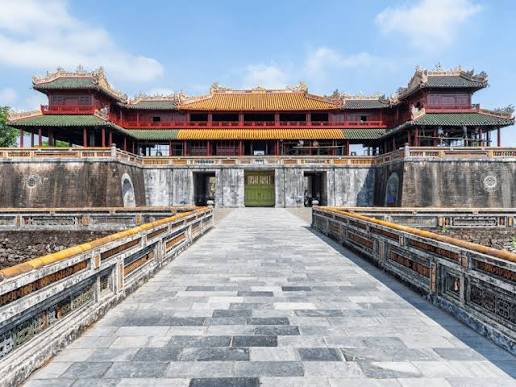
Hue is only about three hours from Hoi An, yet most first-timers skip it. That's a shame: it's Vietnam's most elegant city, slow and green, on the banks of the Perfume River. Give it two full days:
- The Imperial City: palaces, gates and gardens of the Nguyen dynasty, a UNESCO World Heritage Site.
- The royal tombs: Tu Duc's is a peaceful garden with a lake, Minh Mang's is grand and symmetrical, and Khai Dinh's is a wild mix of European and Vietnamese styles covered in glass and porcelain mosaics.
- Thien Mu pagoda, reached by a slow dragon boat up the Perfume River.
- Dong Ba market and the food: bun bo Hue, banh khoai, and tiny steamed rice cakes (banh beo).
- Tam Giang lagoon at sunset, with its fishing nets and stilt huts.
Link it to Hoi An by driving the Hai Van Pass, one of the most scenic coast roads in Asia. If you're choosing between the two, our Hoi An guide helps.
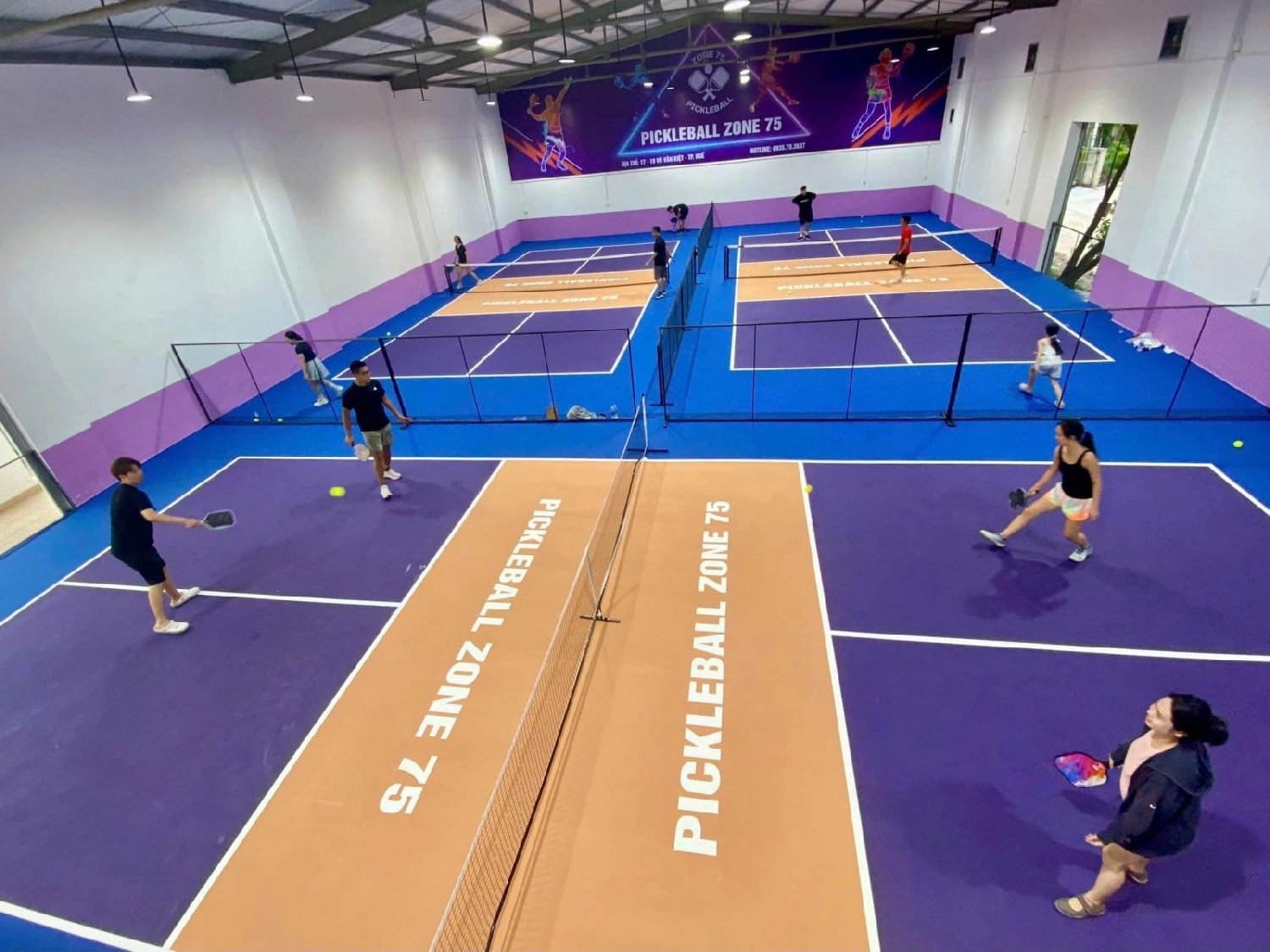
Pickleball: Hue has plenty of local clubs, including courts near Hue University, and two resorts nearby added courts in 2026. See resorts with pickleball courts for Laguna Lang Co and Lumiere Vy Da.
Planning your second trip?
Every trip we plan is private: just you, your partner or a few friends, on your dates. We'll build the route, handle the long drives, and find you a game in every town.
Plan a tailor-made tripThe Central Highlands: a different Vietnam
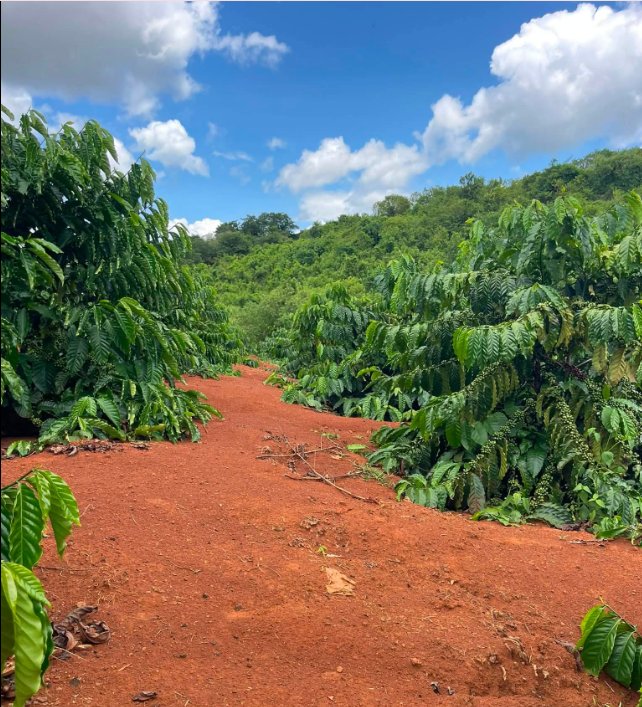
Up on the plateau behind the coast, Vietnam feels completely different: red volcanic soil, coffee and pepper farms, pine forests, and the villages of the Bahnar, Jarai, Ede and M'nong people, whose gong culture is recognised by UNESCO. It's cooler than the coast and very few foreign visitors come. The dry season, November to April, is the best time.
7. Kon Tum and Mang Den
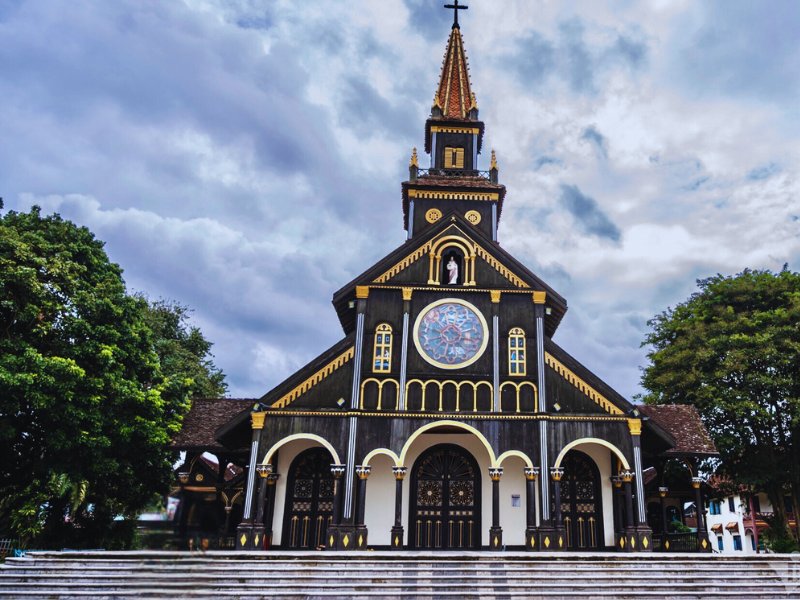
- The wooden church: built by French missionaries between 1913 and 1918, in Bahnar style, and still in use.
- Kon K'Tu and other Bahnar villages, with their tall-roofed communal rong houses.
- Mang Den: about an hour away, a cool pine-forest plateau with lakes and waterfalls that Vietnamese travellers call the "second Da Lat".
Getting there: Kon Tum has no airport; fly into Pleiku, about an hour's drive away.

Pickleball: Kon Tum has several clubs and hosts local tournaments. Visitors are rare, so expect a lot of curiosity and a warm welcome.
8. Gia Lai: Pleiku's volcanic lake and wild sunflowers
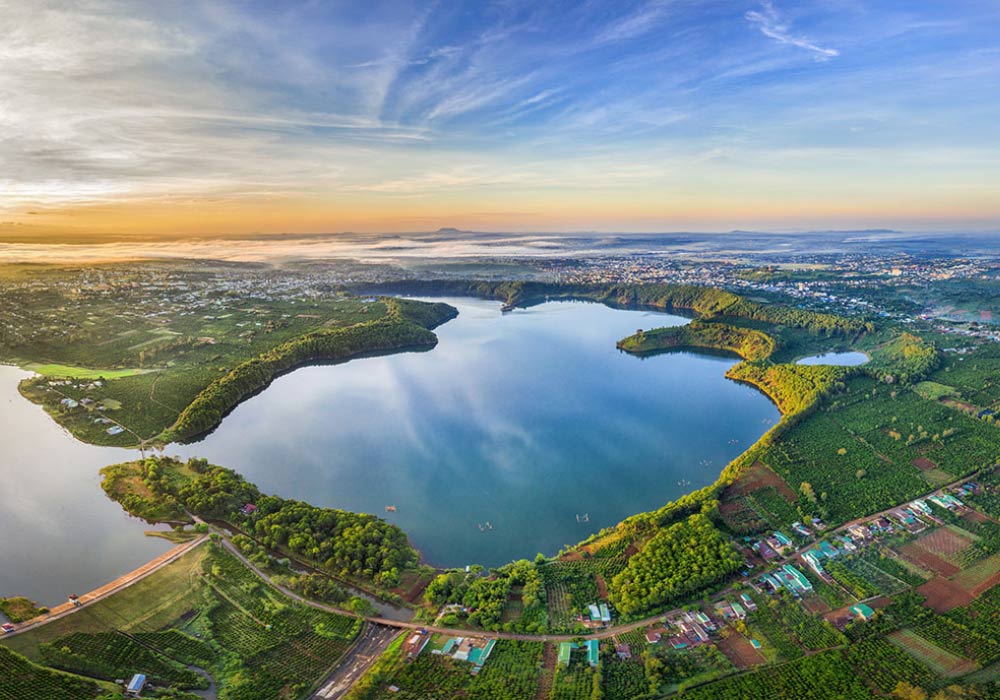
- Bien Ho (T'Nung lake): a calm crater lake just outside Pleiku, with a pine-lined road nearby.
- Chu Dang Ya volcano: an extinct volcano covered in wild sunflowers in November.
- Tea plantations and Jarai villages around Pleiku.
Since 2025, Gia Lai has merged with Binh Dinh, so the province now runs all the way to the sea at Quy Nhon, a relaxed beach city with great seafood. Pleiku to Quy Nhon is a lovely drive down from the plateau.
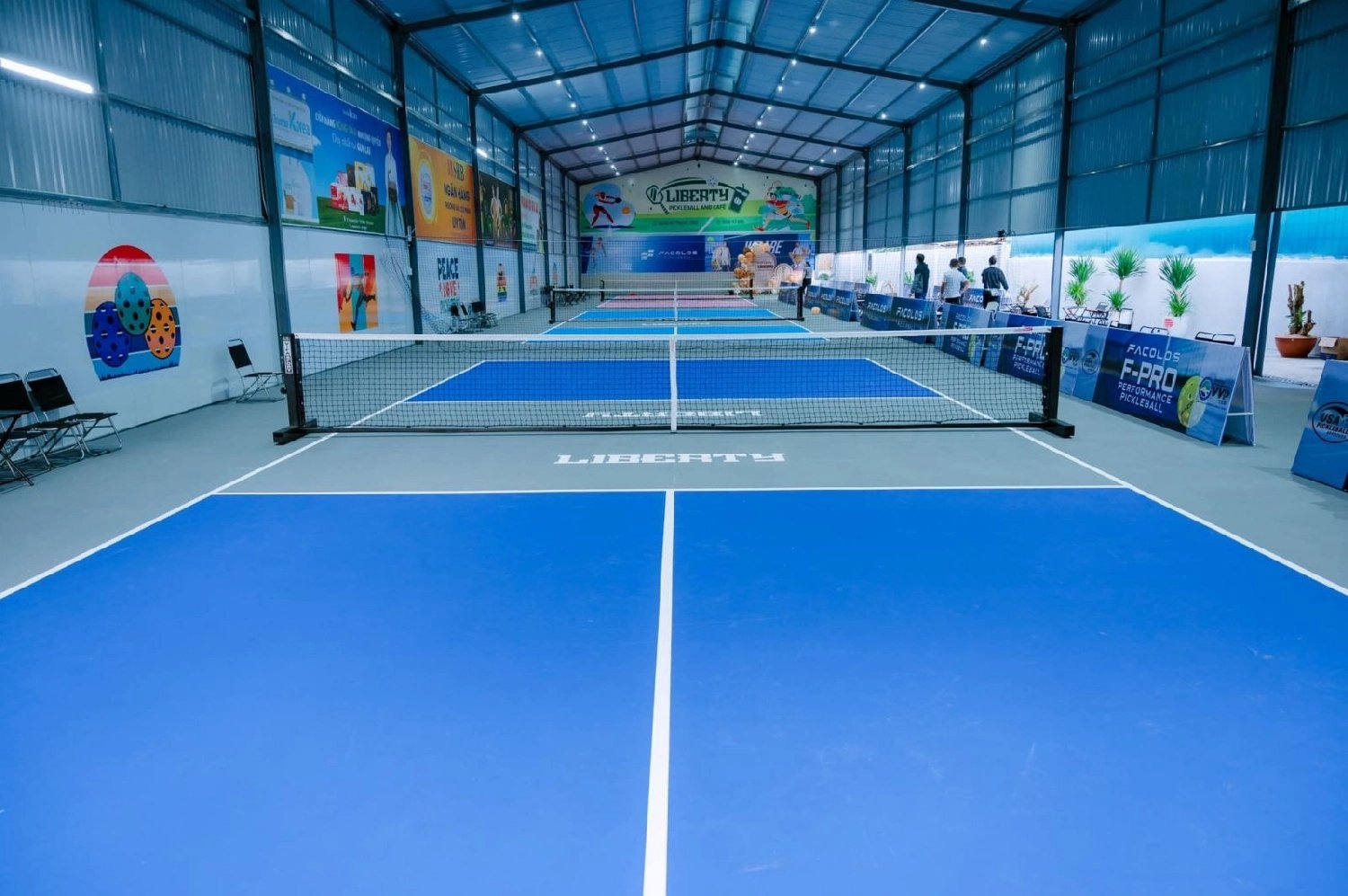
Pickleball: Pleiku has plenty of courts, and the cooler highland air makes outdoor play much easier than on the coast.
9. Dak Lak: Buon Ma Thuot, Vietnam's coffee capital
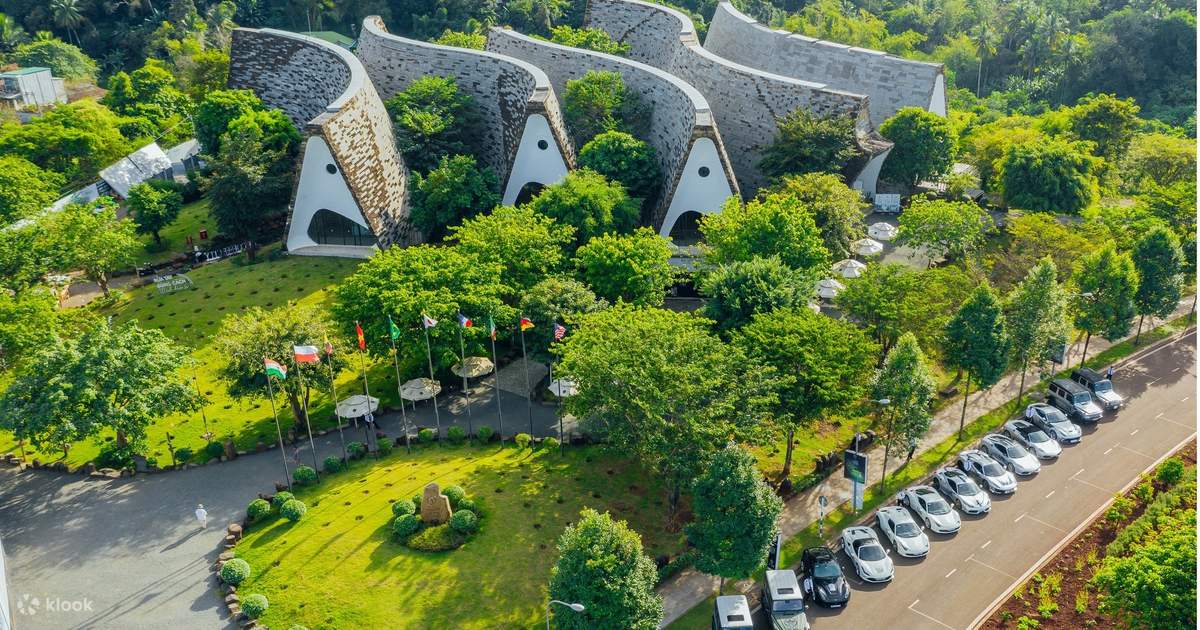
Most of Vietnam's coffee grows around Buon Ma Thuot. If you loved the coffee on your first trip, this is where it comes from.
- The World Coffee Museum, in a striking building shaped like an Ede longhouse.
- Coffee farm visits, from bean to cup.
- Lak lake: paddle a dugout canoe and stay in a M'nong village longhouse.
- Dray Nur waterfall, wide and powerful in the rainy season.
Buon Ma Thuot has an airport with flights from Hanoi and Saigon. Read about the Vietnamese coffee culture before you go.
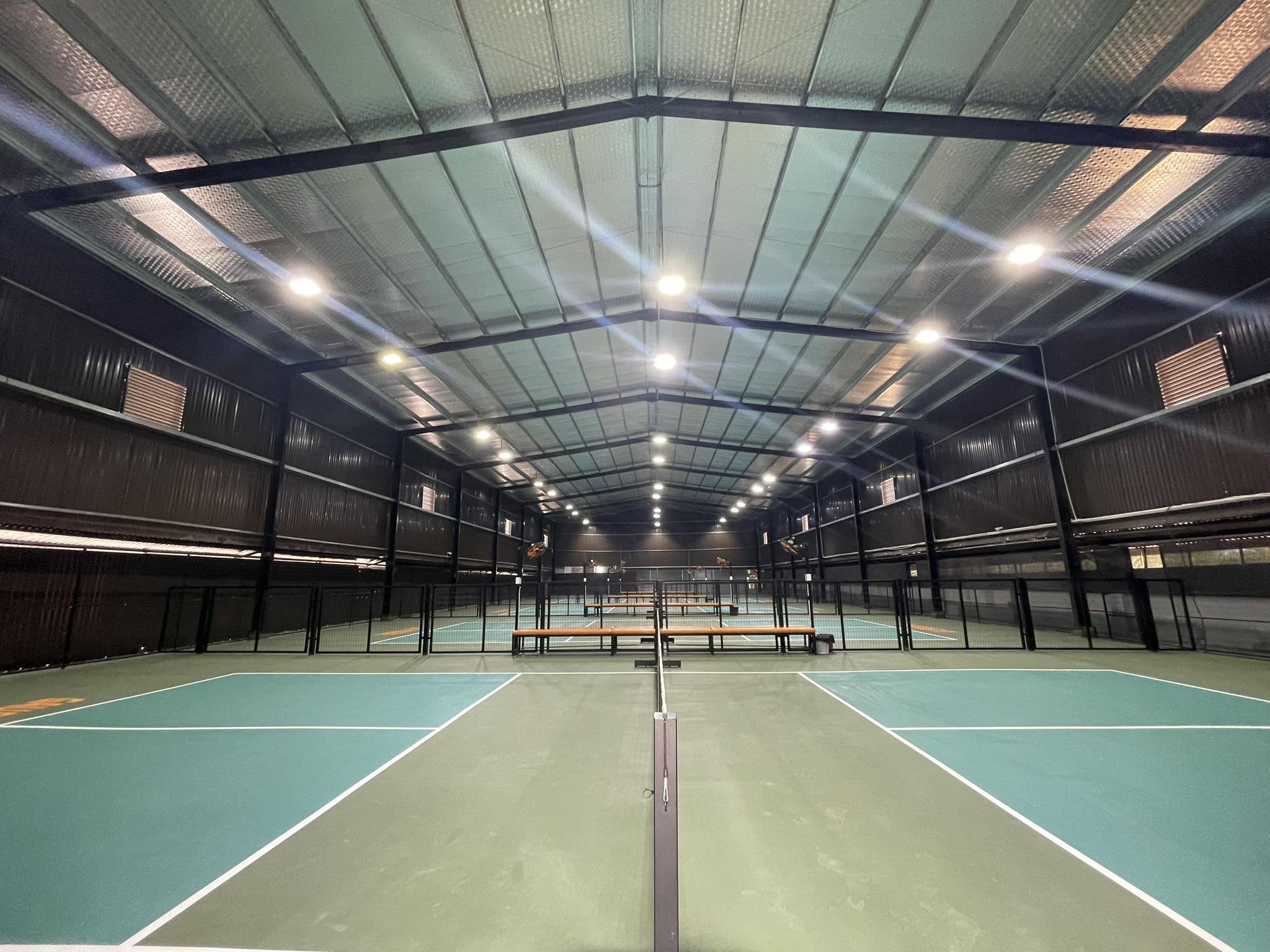
Pickleball: Buon Ma Thuot is one of the busiest pickleball towns in the highlands, with clusters of up to seven courts. Coffee after the game is compulsory here.
10. Da Lat: the cool one
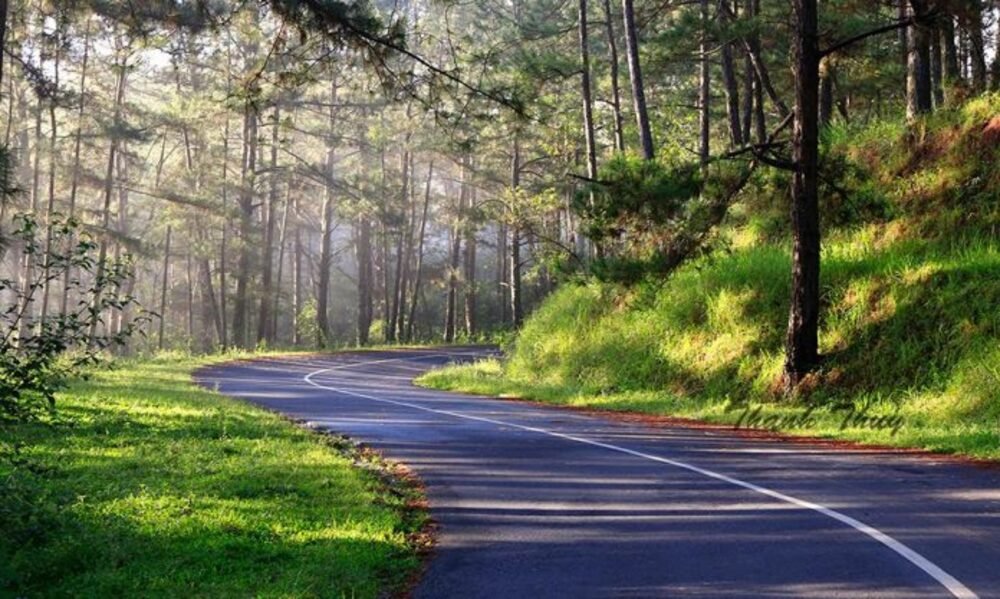
Da Lat is the best known place on this list, but many first-timers still miss it. At about 1,500 metres it's spring-like all year: pine hills, flower farms, French villas, strawberry fields, a great night market and some of the best coffee in the country. Add waterfalls and canyoning if you want adventure. Our Da Lat guide covers it in full.
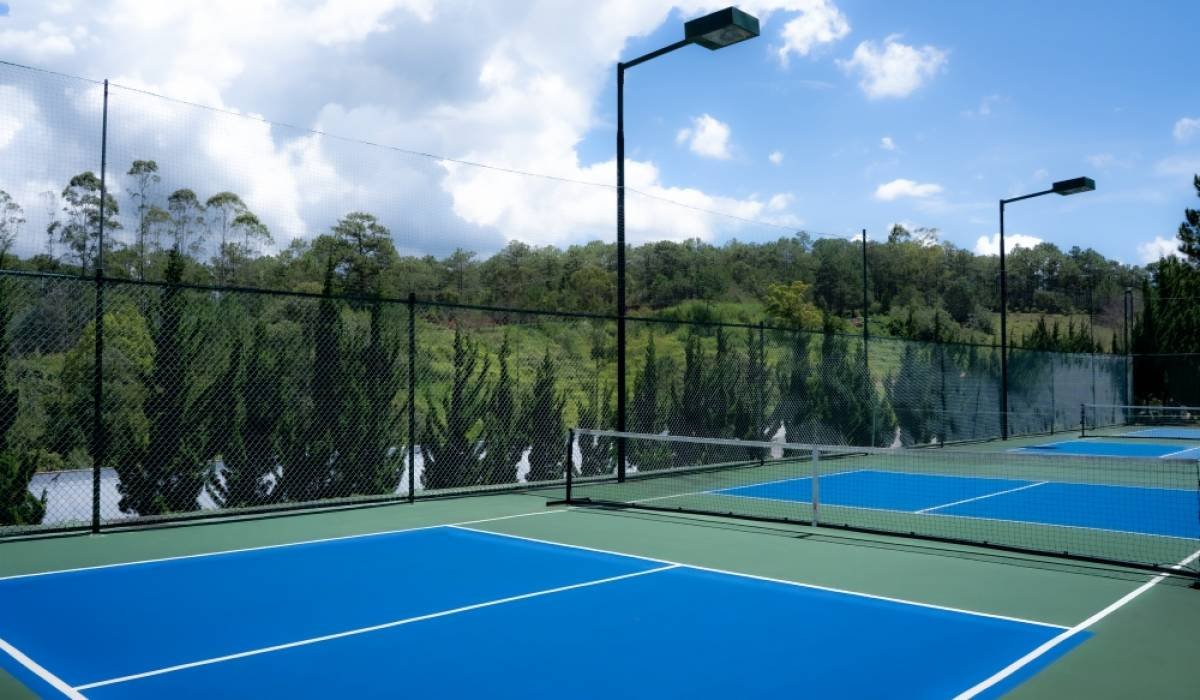
Pickleball: Da Lat has dedicated clubhouses and resort courts, and the mild weather means you can play in the middle of the day, which is rare in Vietnam.
The south-central coast off the beaten track
11. Mui Ne and Ninh Thuan: dunes, Cham towers and empty bays
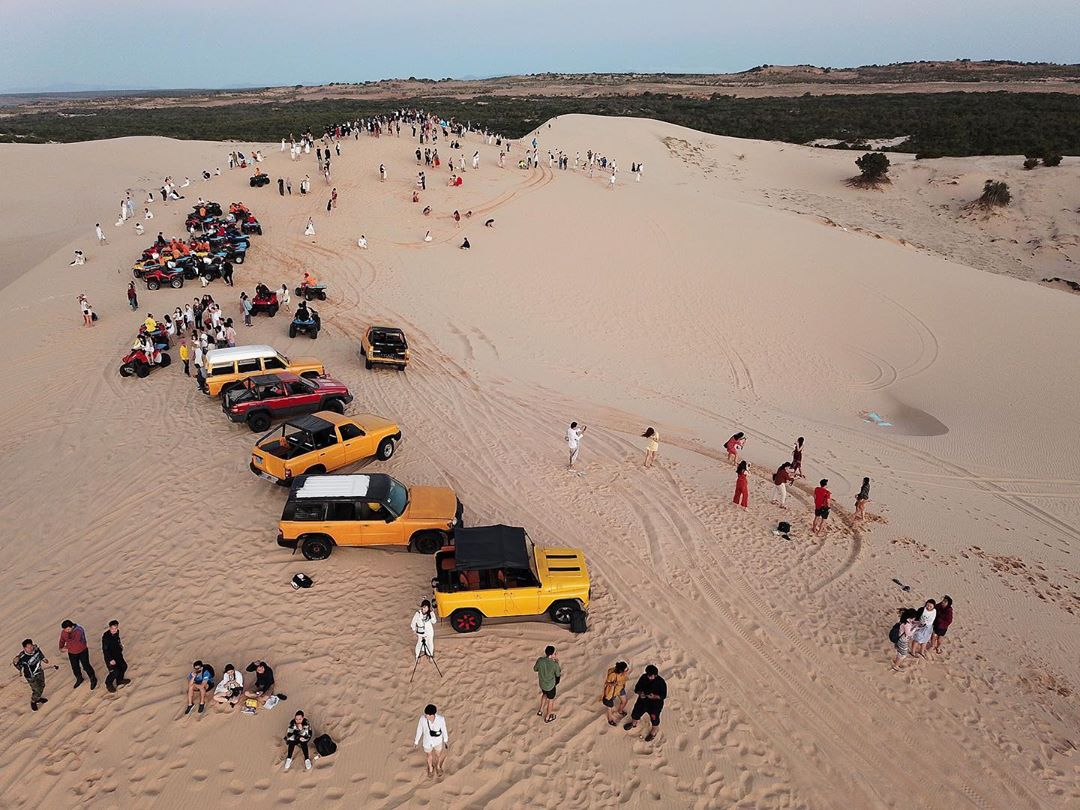
This stretch of coast between Saigon and Nha Trang is the driest part of Vietnam, and it looks it: sand dunes, cactus, vineyards and deep blue bays.
Mui Ne and Phan Thiet (formerly Binh Thuan, now part of Lam Dong) are about three to four hours from Saigon on the expressway:
- The red and white sand dunes, best at sunrise.
- The Fairy Stream, a shallow red stream you walk barefoot between sandstone cliffs.
- Mui Ne fishing harbour in the early morning, full of round basket boats.
- Ke Ga lighthouse, built by the French in the 1890s, and Ta Cu mountain with its giant reclining Buddha.
- Kitesurfing from about November to April, when the wind is strong.
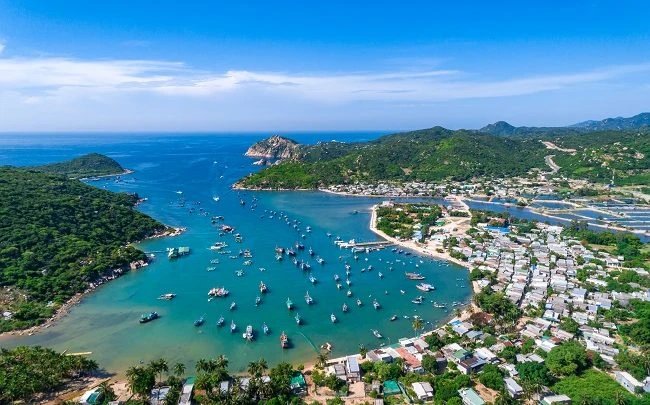
Ninh Thuan (now part of Khanh Hoa) is about an hour from Cam Ranh airport:
- Vinh Hy bay and Nui Chua National Park, a UNESCO biosphere reserve with dry forest running down to the sea.
- Hang Rai, where coral and rocks meet the waves.
- Po Klong Garai, brick Cham towers on a hill above Phan Rang, still used for Cham festivals.
- Bau Truc, a Cham pottery village where everything is shaped by hand, without a wheel.
- Grape farms and the Nam Cuong sand dunes.
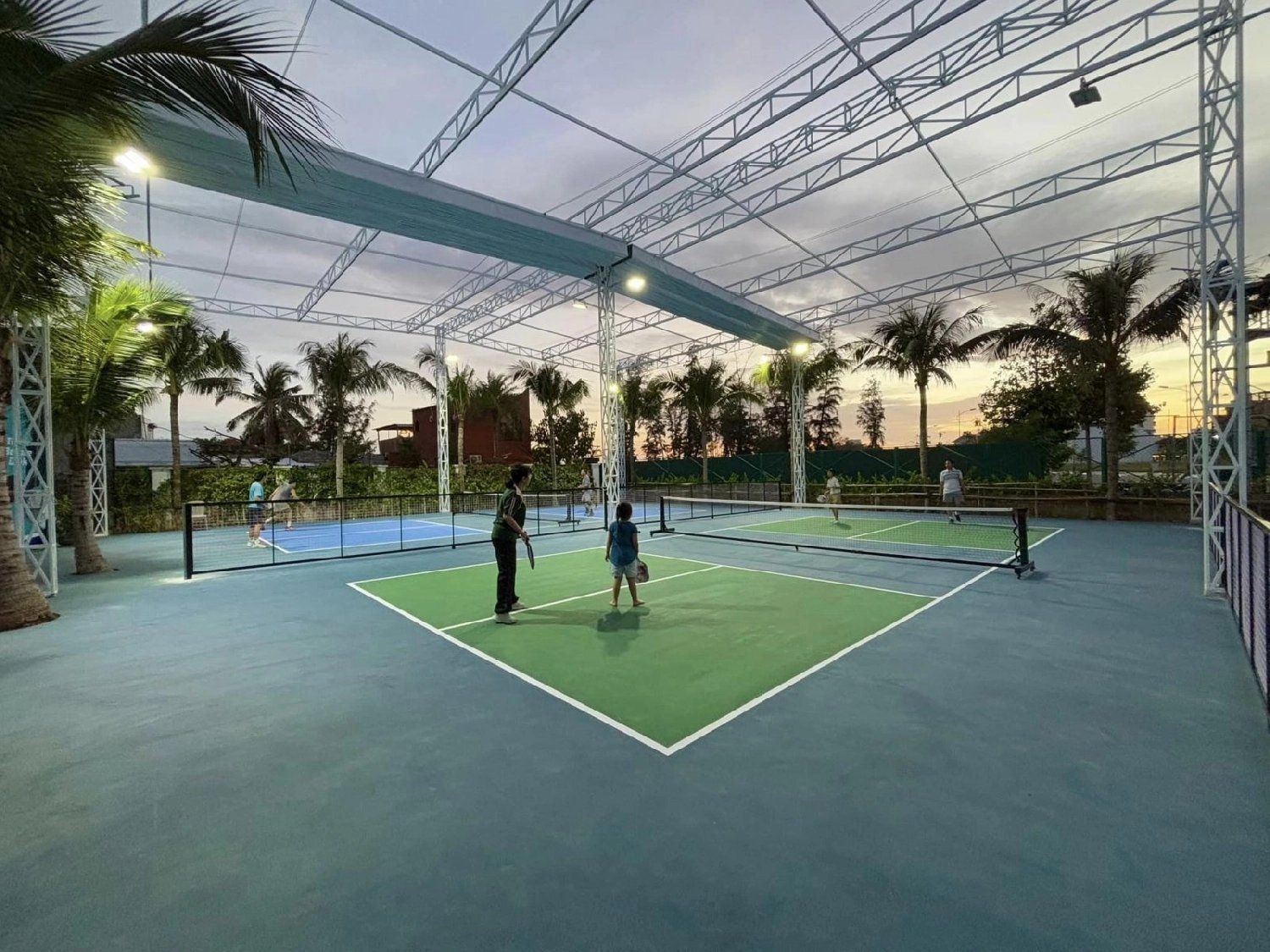
Pickleball: Phan Thiet has pickleball-and-coffee clubs near the beach, and Phan Rang has a busy local scene. Play early: this is sunny, hot country.

How to put a second trip together
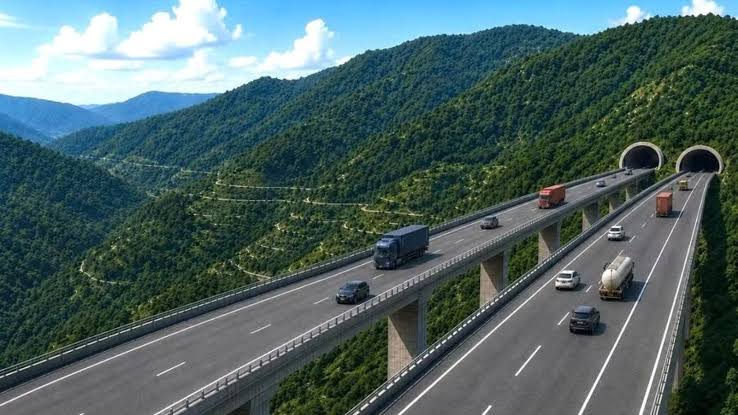
You can't do all eleven in one trip, and you shouldn't try. Pick one region and go deep:
- The northern loop (7 to 9 days): Hanoi, Mai Chau, Pu Luong, back to Hanoi, then Cao Bang. Best from September to November.
- The central history route (6 to 8 days): fly to Dong Hoi, Phong Nha, the DMZ, Hue, then the Hai Van Pass to Da Nang. Best from February to August.
- The highlands (7 to 10 days): fly to Pleiku, Kon Tum and Mang Den, Buon Ma Thuot, then Da Lat. Best from November to April.
- The south-central coast (5 to 7 days): Saigon to Mui Ne, Ninh Thuan, and out from Cam Ranh. Best from December to August.
Check the best time to visit Vietnam before you choose, because the regions have very different seasons. And if you're travelling at a gentle pace, some of these long drives are worth breaking up: our Vietnam for seniors guide explains how.
The bottom line

Your first trip to Vietnam shows you the famous places. Your second trip shows you the country. Go north to Cao Bang and Pu Luong for mountains, into the centre for caves, history and Hue, up to the highlands for coffee and volcanoes, or down the dry coast for dunes and Cham towers. Wherever you go, there'll be a court, a morning game and a coffee afterwards. Tell us which region calls you and we'll build your second trip around it.