Tet is Vietnam's Lunar New Year, and in 2027 it falls on Saturday 6 February. For about a week the country goes home to its families. Cities empty, shutters come down on half the shops, and the train stations are packed the days before. People who've travelled through it either call it the best week of their trip or the most frustrating. The difference is almost always planning. Here's what really happens, day by day, and how to make it the first kind.
The short version
The date: New Year's Eve is Friday 5 February 2027. The big days are 6 to 8 February. The proposed official holiday runs 4 to 10 February (it hadn't been signed off as of September 2026).
Best part: the week before Tet, when flower markets fill the streets and every city is at its most beautiful.
Hardest part: 6 to 8 February, when small restaurants, cafes, tailors and museums close, and some ATMs run dry.
Book by November: domestic flights and train berths around Tet sell out weeks ahead, often at two to three times the normal fare.
Pickleball: most courts stay open. Tet morning is quiet, but from the second day of the new year the courts are busier than usual.
Tet 2027: the dates that matter
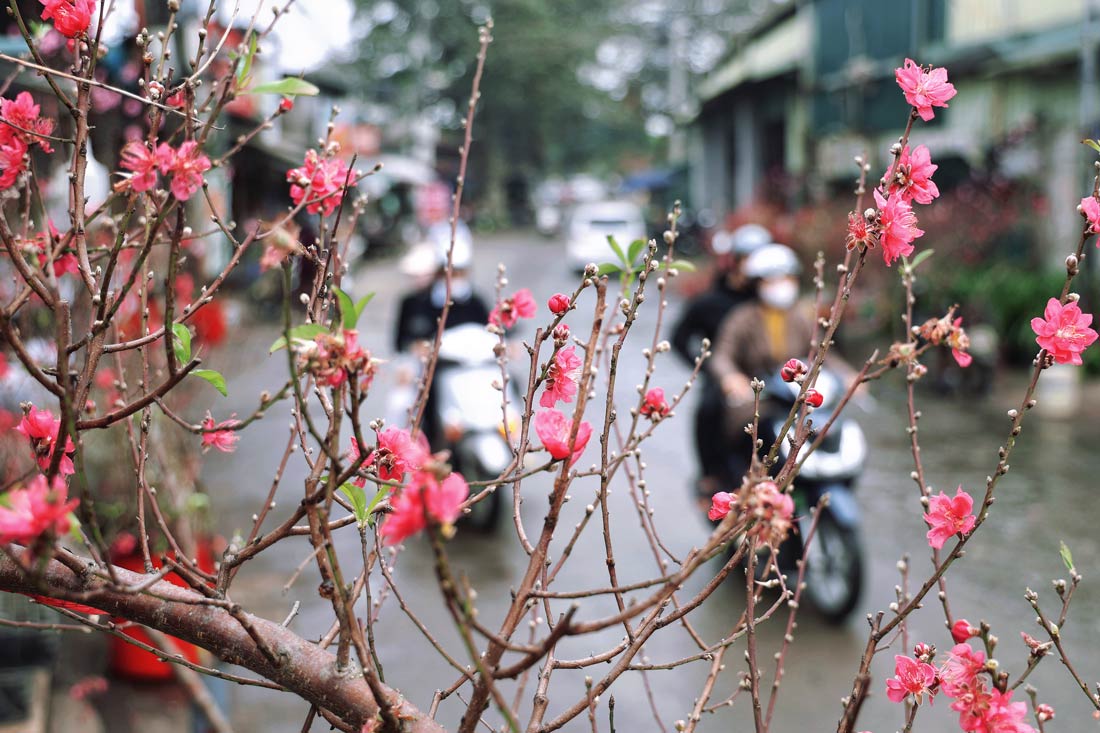
Tet follows the lunar calendar, so the date moves every year. 2027 is the Year of the Goat. These are the days to plan around:
- Saturday 30 January: Kitchen Gods Day (23rd of the last lunar month). Families send the kitchen gods off to heaven with offerings, often live carp released into lakes. It's the unofficial start of Tet week.
- Thursday 4 February: the proposed public holiday begins. Offices close and the big journey home peaks.
- Friday 5 February: New Year's Eve (Giao Thua). Families gather for dinner. At midnight there are fireworks in the big cities and crowds at the temples.
- Saturday 6 to Monday 8 February: the first three days of the year. This is when the country is at its quietest.
- Wednesday 10 February: the proposed holiday ends. Most businesses reopen over the following days.
- Thursday 11 February: the Perfume Pagoda festival opens near Hanoi, and the spring festival season starts.
- Friday 19 and Saturday 20 February: Hoi An's full-moon lantern night, then the first full moon of the year, a big day at the pagodas.
A note on the holiday: in September 2026 the Ministry of Home Affairs sent the government a plan for seven days off, from 4 to 10 February. A longer option was also discussed. Until it's signed, treat those dates as likely rather than certain.
What Tet actually is
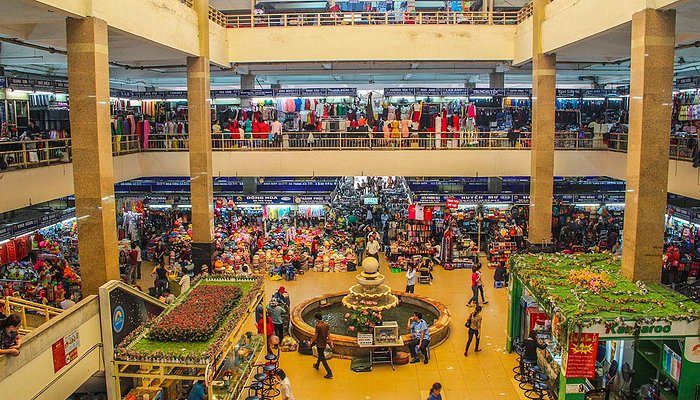
Think Christmas, New Year and Thanksgiving rolled into one, with ancestors at the centre of it. People travel across the country to be with their parents. They clean the house top to bottom before the new year, because sweeping after it would sweep the luck away. They lay out food on the family altar, and they spend the first days visiting relatives, then teachers, then friends, in that order.
For you as a visitor, that means two things. The build-up is joyful and very photogenic. And the first days of the year belong to families, not tourists. You're welcome everywhere, but for a few days the country isn't really working.
The week before Tet: the best time to be here
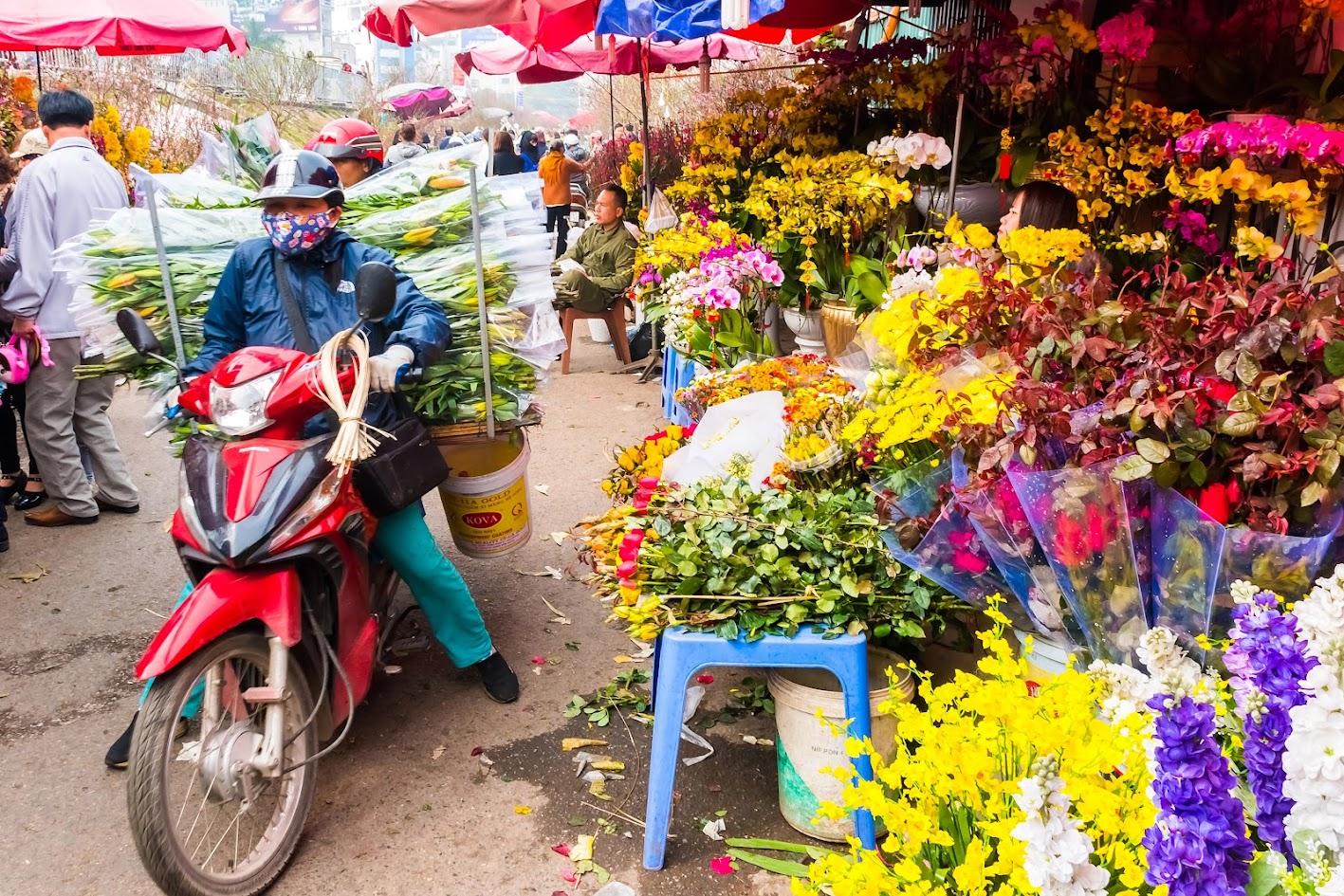
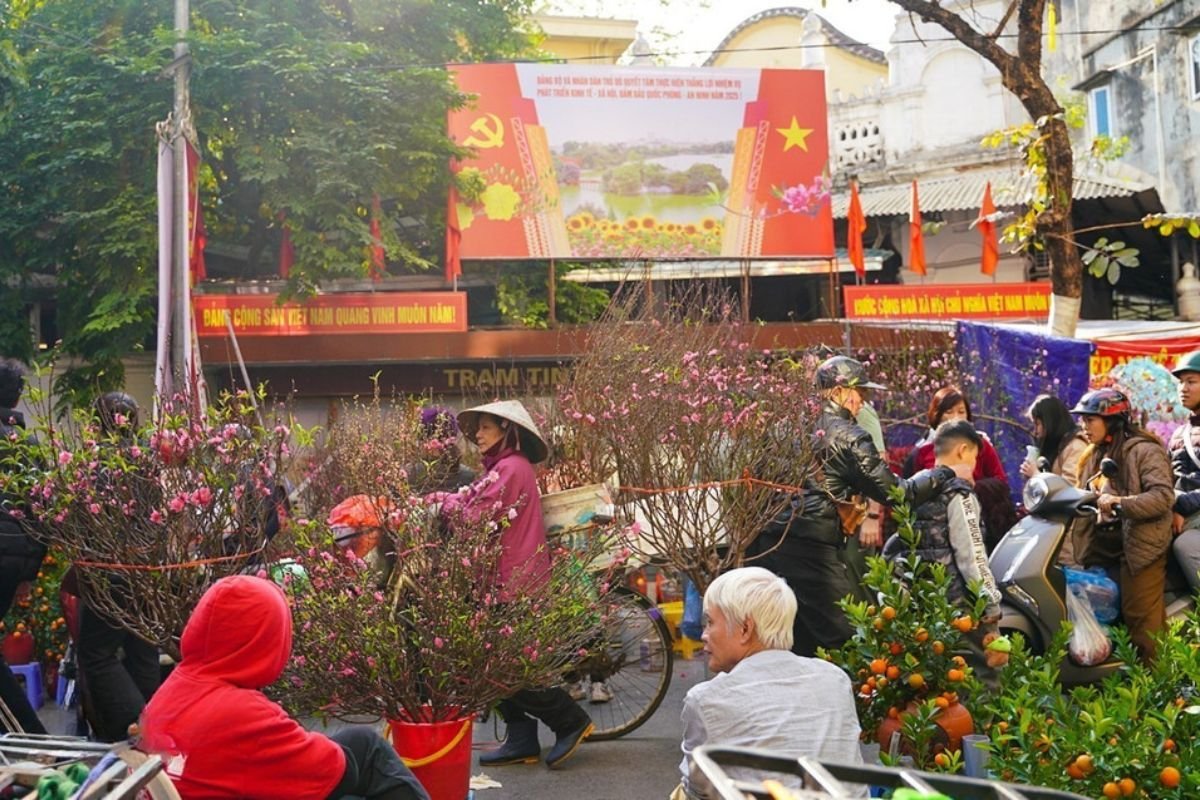
If you can only choose one part of the season, choose this. From about 30 January to 4 February, every city is dressed up and in a good mood.
- Hanoi: the Hang Luoc flower market in the Old Quarter and the big night market at Quang Ba, by West Lake, where peach blossom and kumquat trees are sold until the early hours. Walk Hang Ma street for red lanterns and decorations.
- Everywhere: motorbikes carrying whole kumquat trees and peach branches through the traffic. It's the classic Tet photo, and you'll see it hundreds of times.
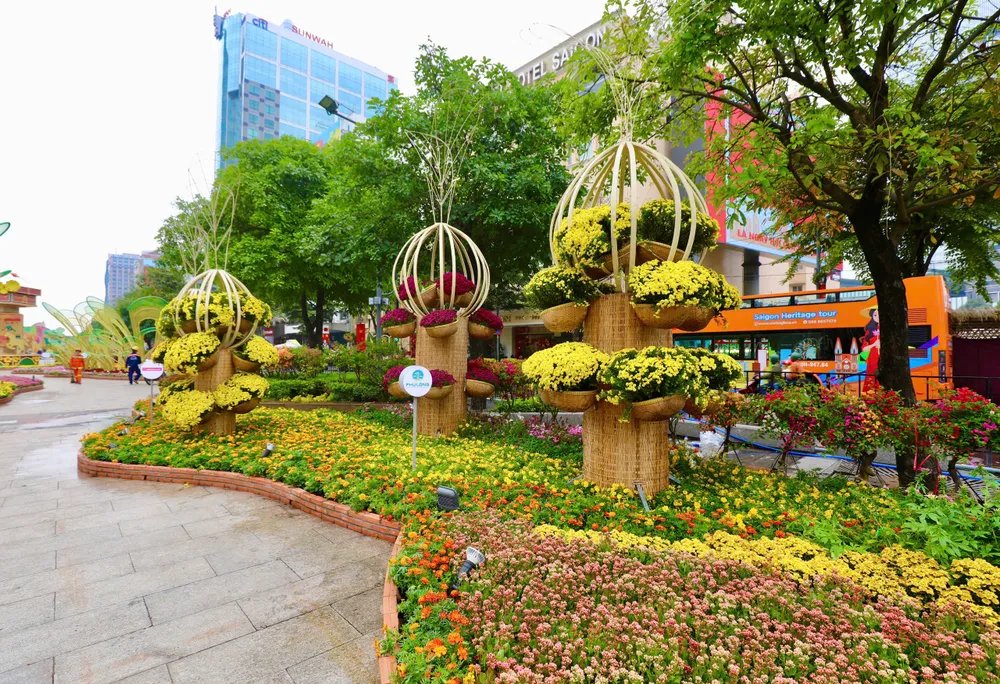
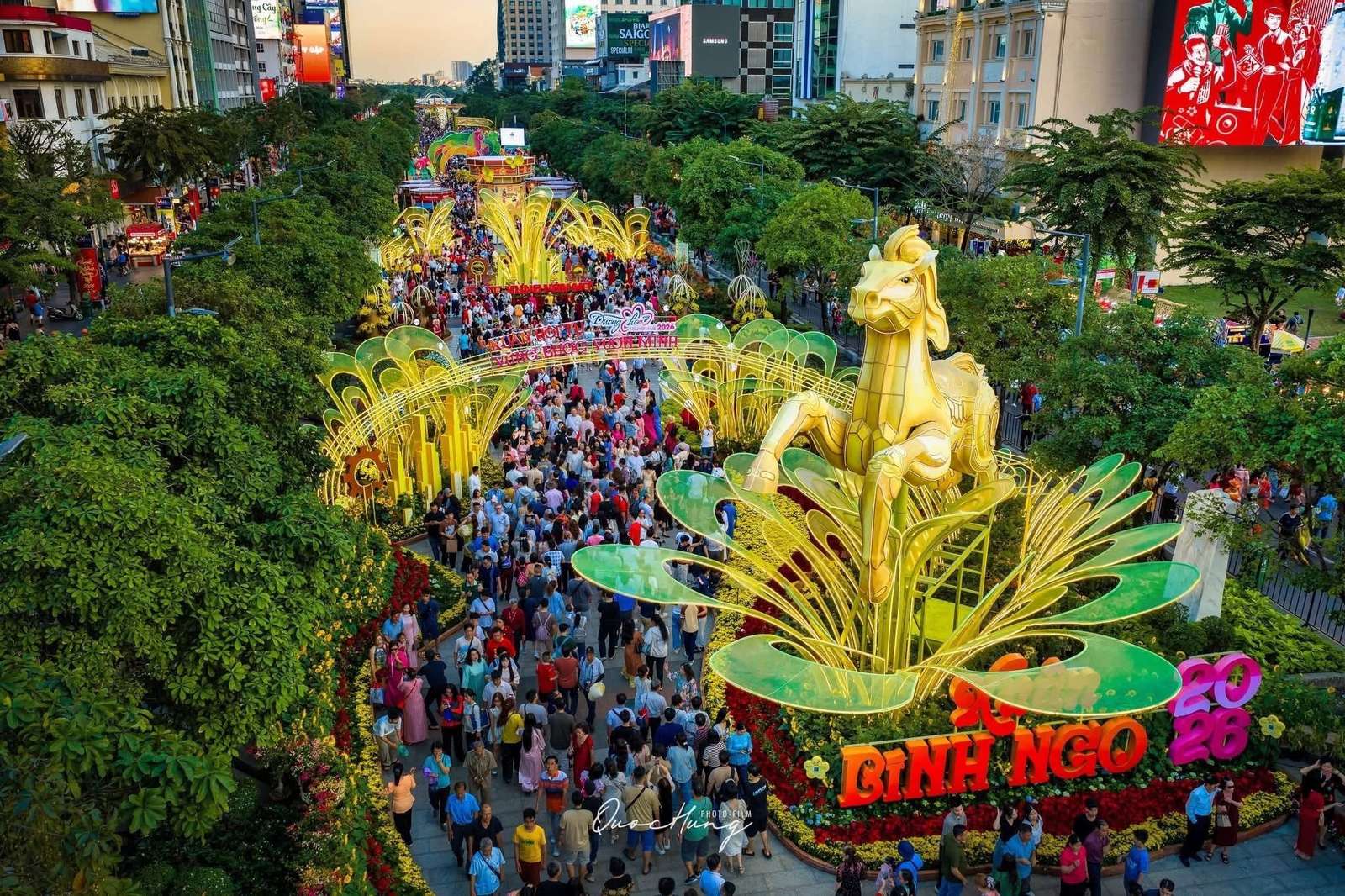
- Saigon: the Nguyen Hue flower street, a whole boulevard in District 1 turned into a flower garden. In 2026 it ran from the evening of the 28th of the last lunar month to the 6th of the new year. On the same pattern, expect roughly 4 to 11 February 2027.
Shops and restaurants are still open this week, so you get the atmosphere with none of the closures. The one thing to watch is the roads and airports from 2 to 4 February. That's the peak of the journey home.
What closes, and what stays open
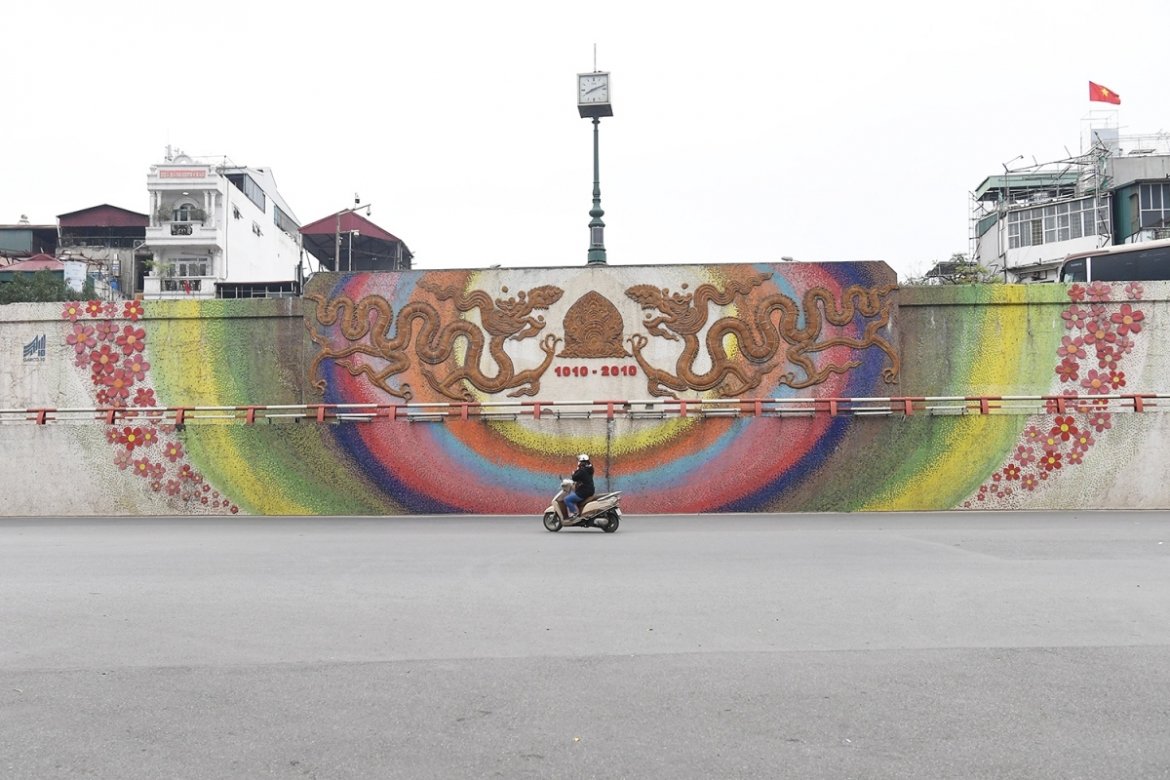
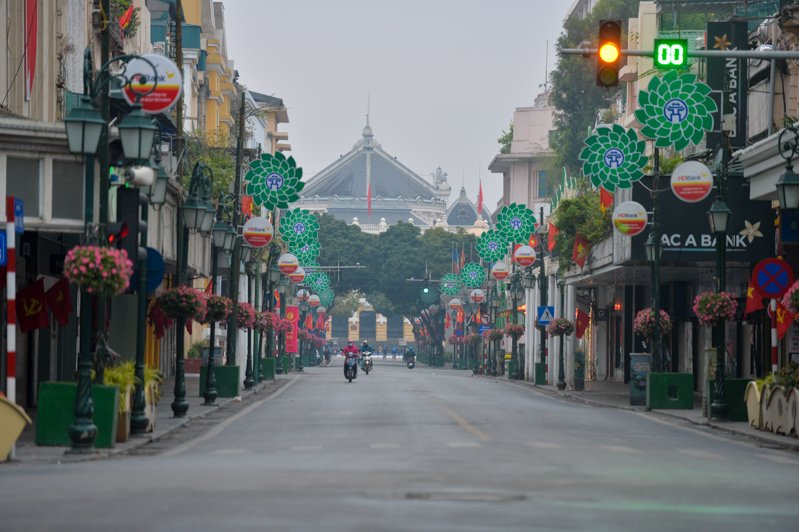
Between 6 and 8 February, expect this:
Usually closed
- Small family restaurants, street food stalls and local cafes, often for three to five days.
- Tailors, laundries, small shops and spas. If you want clothes made in Hoi An, order them at least a week before Tet.
- Museums, banks, government offices and most independent day-tour operators.
Usually open
- Hotels and hotel restaurants, airports and hospitals.
- Convenience stores (Circle K, GS25, WinMart+), often with shorter hours.
- International chains, and many restaurants in the tourist areas: Hanoi's Old Quarter, District 1 in Saigon and Hoi An's old town.
- Pagodas and temples, busier than on any other day of the year.
Some restaurants that do open add a Tet surcharge, often ten to twenty percent, normally shown on the menu. It's standard practice, so don't read it as a scam. Life comes back gradually from the 9th, and by around the 12th almost everything is running normally. In villages and small towns the break lasts longer.
Getting around: book early, travel smart
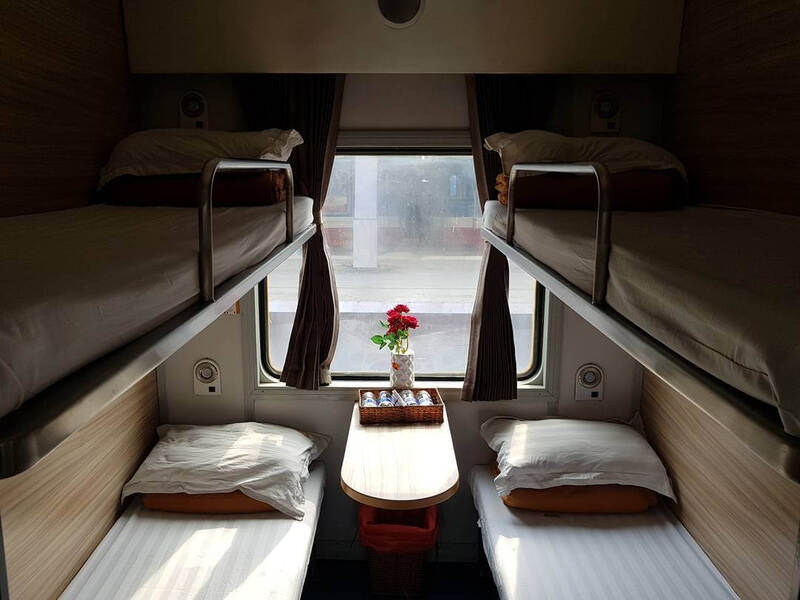
Tet is the biggest movement of people in Vietnam's year. Around the last Tet, domestic flights, trains and sleeper buses were selling out four to six weeks ahead, at two to three times normal prices. For a February 2027 trip, book internal flights and trains in November. Leave it until January and you'll be paying a premium for whatever is left.
The trick most visitors miss: travel against the flow.
- Avoid the days just before Tet (about 1 to 4 February), when everyone is heading home, and the days just after (about 9 to 12 February), when everyone heads back to the cities.
- Consider flying on 6 or 7 February itself. Almost everyone is at home, so planes and roads are often much emptier than you'd expect.
- In town, Grab and taxis still run, but there are fewer drivers and fares go up. Allow extra time for anything that matters, like an airport run.
Money over Tet
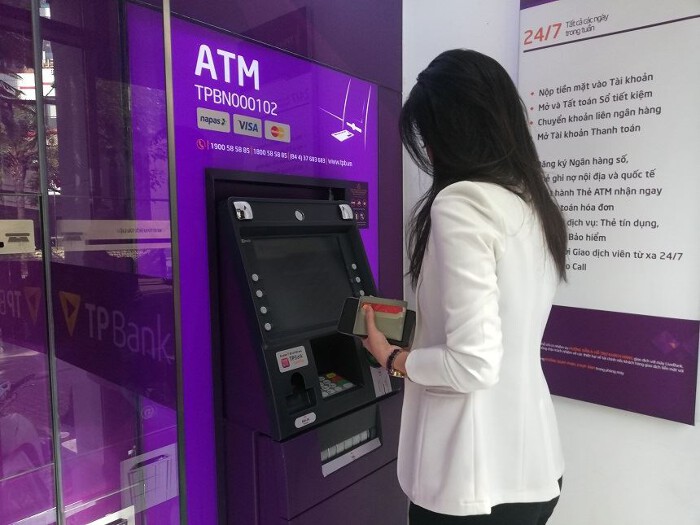
Two things to sort out before 5 February:
- Get your cash early. Banks close for the holiday and ATMs in busy areas can run empty over the first days. Take out what you'll need for the week before New Year's Eve. Our guide to money in Vietnam covers which ATMs to use.
- Carry a few red envelopes. Lucky money (li xi) goes to children, and a small envelope is a lovely thank-you for hotel staff or a driver working over Tet. For children, 20,000 to 100,000 VND is plenty. Use new notes if you can find them, and avoid amounts with a 4 in them, which sounds like the word for death.
You can buy red envelopes at any market or convenience store in the weeks before Tet, often for a few thousand dong a pack.
Where to spend Tet
Hanoi: the most traditional, and the coldest
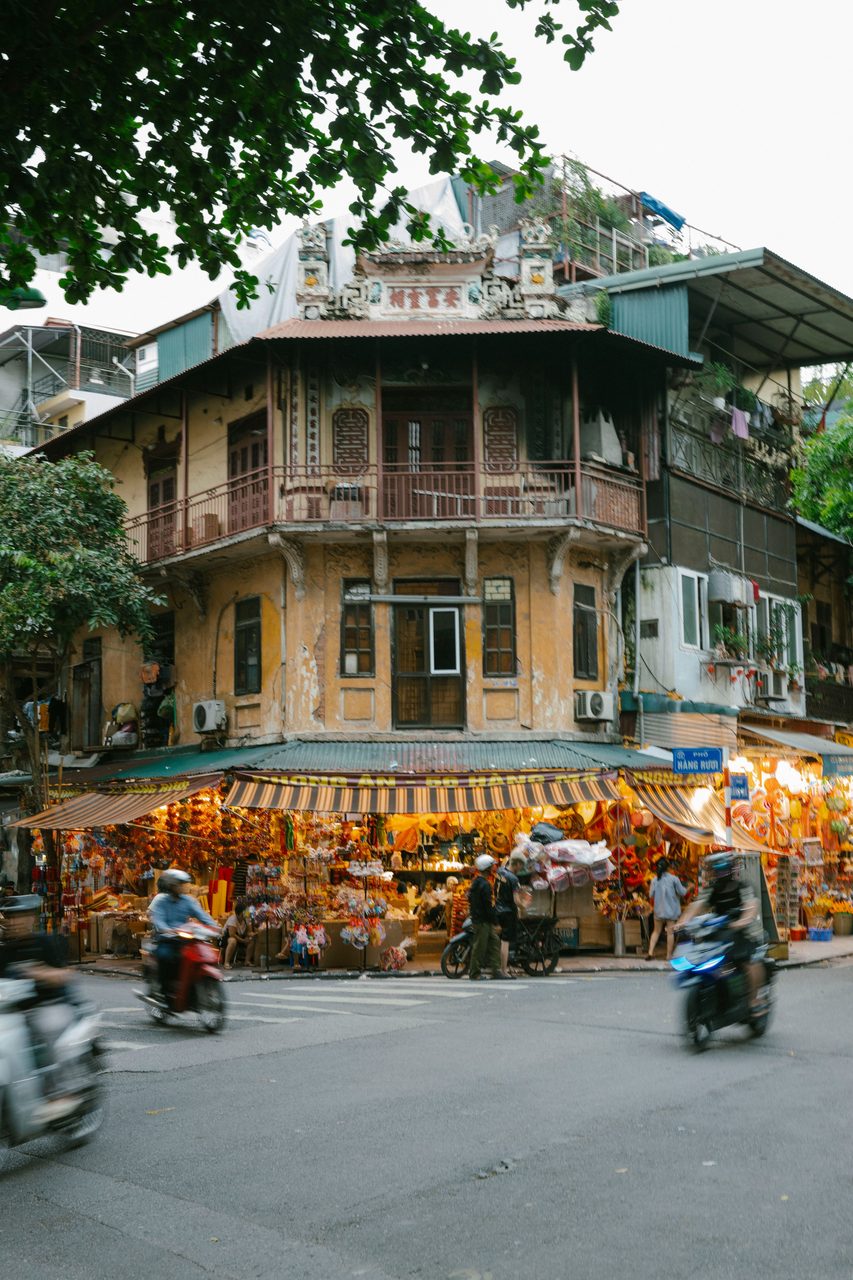
Hanoi does Tet properly: the flower markets, the pagodas at midnight on New Year's Eve, families in their best clothes on the first morning. It's also the coldest option. February days sit around 15 to 20°C, often grey with a fine drizzle, so bring a real layer. The Old Quarter keeps a few places open all through the holiday, and Hoan Kiem Lake is lovely on the quiet first mornings. Our Old Quarter guide will get you oriented.
Hoi An: the gentle choice

Because tourism is the town's business, more stays open in Hoi An than almost anywhere else. The old town is decorated with lanterns, the weather is mild (low to mid 20s°C) and mostly dry, and the monthly full-moon lantern night falls on 19 February. It's the easiest place to enjoy Tet without the closures getting in the way. Plan your days with our guide to things to do in Hoi An.
Saigon: warm, empty and quietly wonderful

Millions of people who work in Saigon go home to their provinces, and for a few days the city is calmer than you'll ever see it. You can cross the road without thinking about it. It's warm and dry, around 30°C, and the flower street is at its best. District 1 keeps plenty open. It's a great Tet if you like the idea of a big city with the volume turned down.
Playing pickleball over Tet

Good news: pickleball in Vietnam doesn't take Tet off. Last year Tuoi Tre, one of the country's biggest newspapers, ran a story headlined simply "Pickleball Vietnam doesn't stop for Tet". Clubs like PickoLand in Thao Dien stayed open the whole holiday, and one club in Hai Phong opened extra courts to keep up with bookings.
- Tet morning (6 February) is quiet. Most people are at home with family or at the pagoda.
- From the second day, the courts fill up. People are off work with time on their hands, and a game with friends has become a Tet habit in the cities. Some even play in ao dai for the photos.
- After Tet comes the "spring opening" season, when clubs hold friendly tournaments to start the year. If you're around in mid-February, ask your club whether there's one you can join.
- Always check first. Some smaller clubs do close for a day or two. A quick Zalo message to the club saves a wasted trip.
Your safest bet is a hotel with its own court, because hotels never close. Our guide to resorts in Vietnam with pickleball courts lists seventeen, and several of them are free for guests. For the public clubs, see our Saigon court guide.
Tet etiquette: small things that go a long way
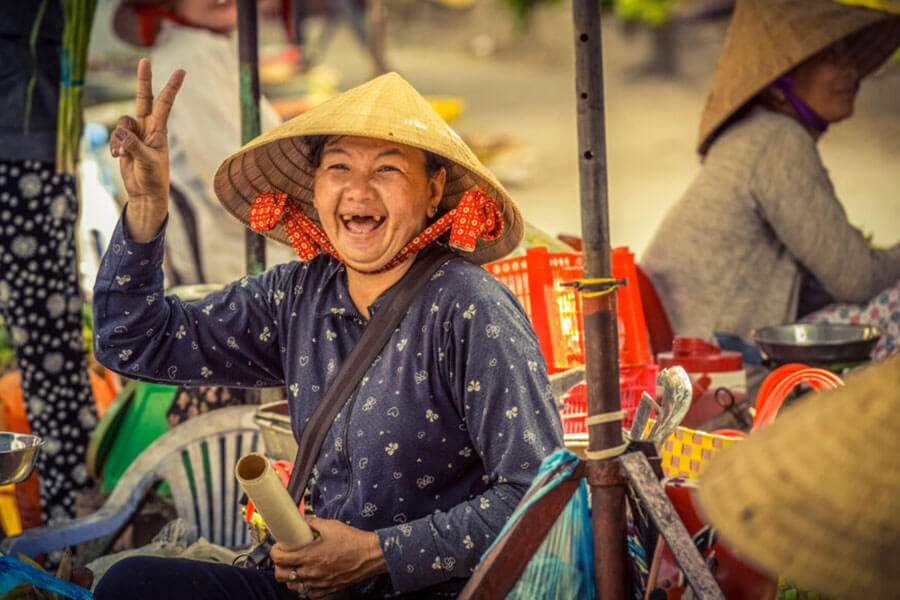
Nobody expects visitors to know the rules, but a few gestures will be noticed and appreciated:
- Learn one phrase: "Chuc mung nam moi" (chook moong nahm moy), Happy New Year. Use it with everyone from the hotel staff to the taxi driver.
- Don't be the first visitor. The first person to enter a home on New Year's Day sets the family's luck for the year, so families choose that guest carefully. If you're invited over, go on the second or third day unless your host says otherwise.
- Wear colour. Red and yellow are lucky. All black or all white feels like mourning.
- Keep it positive. Arguments, complaints and bad news are avoided on the first days, since they're thought to set the tone for the whole year.
- Gifts: fruit, sweets, tea or a bottle of something are all good. Avoid clocks and sharp objects.
Our full guide to Vietnam etiquette has a section on Tet, and more on visiting temples and homes.
After Tet: the festival season
The weeks after Tet are festival season in the north, and a good reason to stay on:
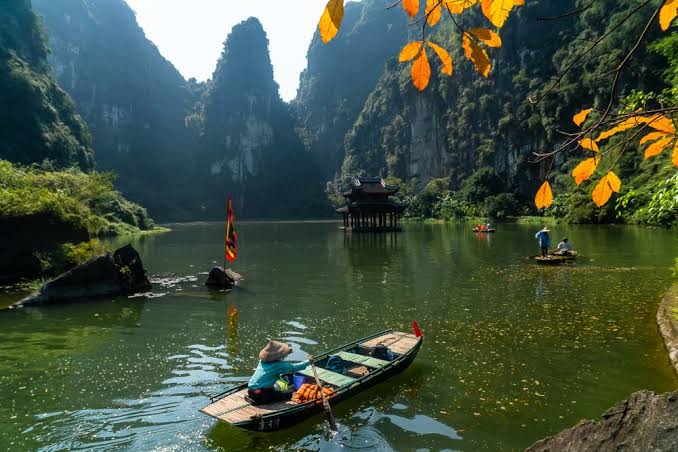
- Perfume Pagoda (from 11 February): a boat ride up a limestone valley south-west of Hanoi to a cave pagoda. Beautiful, but very crowded at weekends in the first weeks. Go midweek.
- Lim Festival (17 to 18 February): quan ho folk singing on boats and hillsides in Bac Ninh, an hour from Hanoi.
- First full moon (19 to 20 February): Hoi An holds its full-moon lantern night on the 19th, and the pagodas fill up for the full moon on the 20th.
The weather keeps improving through late February and March, which is one of the best windows for a whole-country trip. Our month-by-month guide has the detail.
So, should you travel during Tet?

Yes, if you want to see Vietnam at its most colourful and personal, you don't mind a few slow days, and you plan the quiet days somewhere that stays open, like Hoi An or a resort.
Maybe not, if this is your one trip to Vietnam and you want every museum, market and cooking class available every day, or if you'll be moving between cities during the busiest travel days.
If you're flexible, the sweet spot is to arrive about a week before Tet, enjoy the markets, sit out 5 to 8 February somewhere comfortable, then carry on from around the 10th as the country comes back to life. You get the atmosphere, you skip the frustrations, and the post-Tet weeks are a lovely time to travel.
Planning a trip around Tet?
Every trip we plan is private: just you, your partner or a few friends, on your dates. We'll book your transport before prices spike, put you somewhere that stays open, and keep your mornings on court.
See the toursThe bottom line

Tet 2027 falls on 6 February, with the holiday likely running 4 to 10 February. Come for the week before, when Vietnam is at its most festive. Book your internal flights and trains by November. Get your cash out before New Year's Eve, and base yourself for the three quiet days somewhere that keeps going, like Hoi An, Saigon's District 1 or a resort with its own court. Do that and Tet stops being a problem to work around and becomes the best part of the trip. Our Hanoi & Ha Long trip works beautifully in the week before Tet, and the Top to Bottom route can be timed to catch the markets in the north and the warm, empty south.