Vietnam is easy on the wallet and a little awkward on the fingers. Every local pays with a phone QR code, the notes have five or six zeros on them, and the coffee stall you end up loving has never seen a card reader. None of it is hard once you know the pattern, and the pattern is short.
The short version
Carry: Vietnamese dong in cash for daily spending, plus a debit card for ATMs. You don't need to bring dollars.
Cards: fine in hotels, restaurants, malls and tour offices. Cash for street food, markets, small cafés and most pickleball courts.
Tipping: never required. A little for good service is welcome, and a private guide or driver is where most visitors give more.
The dong, and how to stop panicking about the zeros
The currency is the Vietnamese dong, written VND or ₫. Notes start at 1,000 and go up to 500,000, and a bowl of noodles costs somewhere around 50,000, which sounds alarming for about ten seconds. The exact rate moves, so check it before you fly, but as a rule of thumb 100,000 dong is roughly four US dollars. Hold on to that one number and you can price almost anything in your head.
The larger notes are plastic and hard to tear. Two of them catch people out: the 20,000 and the 500,000 are both blue. Look at the zeros before you hand one over, especially in a taxi at night or when you're tired after a long day.
ATMs and getting cash
Cities, airports and tourist towns like Hoi An are full of ATMs. Once you head into the hills, around Sapa or Ha Giang for example, they thin out fast, so take out what you'll need before you leave town.
Most machines cap each withdrawal at somewhere between 3 and 5 million dong, roughly $120 to $190, so you may need two or three goes. Every go carries a local fee, often starting around 50,000 dong or a percentage of the amount, on top of whatever your own bank charges. The fee is shown on screen before you confirm, so read it. Banks such as VPBank, VIB and Shinhan come up often as the cheaper options.
Two habits worth having. If the machine offers to charge you in your home currency instead of dong, say no and take dong; the conversion it offers is rarely in your favour. And use machines inside a bank lobby or attached to a branch rather than a lone one down a tourist alley. A million or two dong in your pocket goes a long way on a normal day, and the rest can stay in the hotel safe.
If you'd rather bring cash from home, banks and licensed exchange counters give the best rates, and airport counters are fine for a first small amount. Take clean, undamaged notes, because torn or heavily creased ones are sometimes refused.
Where cards work, and where they don't
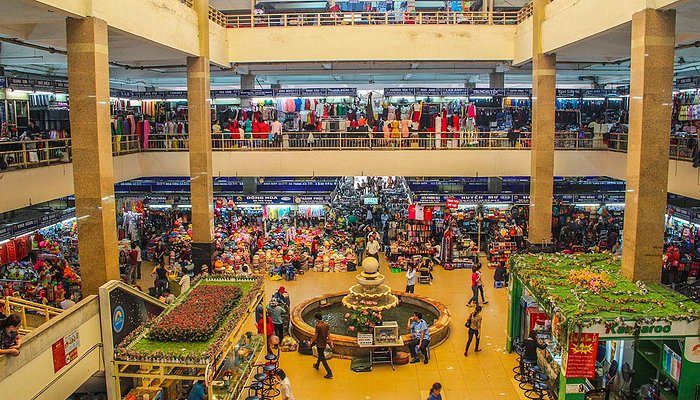
Visa and Mastercard work without fuss in hotels, mid-range and upmarket restaurants, malls, spas and tour offices, and contactless is common in the big cities. Some places add a small surcharge for cards, so it's worth asking before you tap.
Cash rules almost everywhere else: street food, markets, family-run cafés, small shops, motorbike rides. A rough test that rarely fails is that if the seats are plastic stools, you're paying in dong.
You'll also notice that everyone around you pays by scanning a QR code. Those are tied to Vietnamese bank apps, and visitors generally can't use them with a foreign banking app, so don't plan on it.
What things cost, roughly
Prices vary by city and by how touristy the street is, but these are typical numbers to calibrate against:
- Street-side coffee: 15,000 to 25,000 dong, under a dollar. There's more on that in our guide to Vietnamese coffee.
- A street-food meal with a drink: usually 50,000 to 80,000 dong. Our street food guide covers what to order.
- A short taxi or Grab ride in the city: 35,000 to 100,000 dong.
- A session at a pickleball club: about 80,000 to 250,000 dong, or $3 to $10.
- A mid-range hotel room: roughly 700,000 to 1,500,000 dong a night.
Tipping without the awkwardness
Vietnamese people don't tip as a habit, and nobody will chase you down the street if you don't. Where visitors do tip, it's a thank-you rather than a rule.
Upmarket restaurants and hotels sometimes add a service charge to the bill. If yours has, you're done. At street stalls and cafés, leaving the small change is plenty. A spa or massage therapist is happy with 20,000 to 50,000 dong.
The place tipping is most common is with a private guide and driver at the end of a trip. There's no fixed number. Many travellers hand over an envelope on the last day, and for a couple with a guide and a driver, something like $5 to $10 a day for the guide and a few dollars a day for the driver is a common range. Dong or dollars are both fine. Tips aren't included in the price of our trips, and there's never any obligation.
Bargaining, taxis and small slips
Haggling is normal at markets and souvenir stalls and pointless in restaurants, supermarkets and any shop with price tags. Ask the price, smile, offer noticeably less, and settle somewhere in the middle. If it isn't working, walking away politely usually produces a better number.
For getting around, a ride-hailing app such as Grab shows the price before you get in, which removes most of the argument. If you take a street taxi, stick to well-known meter brands. Count your change before you leave the counter, and if there's no menu, ask the price first. That covers nearly every money mistake visitors make.
Money at the pickleball courts
Courts are one of the places where cash still matters. Most clubs charge somewhere around 80,000 to 250,000 dong per session, and plenty of them prefer bank transfer or QR, which you won't be able to use. A few 100,000 notes and some 50,000s in your bag will sort it. If you're joining a casual game, the court fee is usually split between the players, and the smaller notes make that easy.
We list the clubs and typical costs in our guides to Ho Chi Minh City, Hanoi and Da Nang. On our own trips the court fees and paddles are already covered, so cash is mostly for coffee, souvenirs and the meals we haven't listed.
Courts, paddles and transfers, sorted
On a private trip with us the play sessions, court fees and airport transfers are already in the price. You choose the dates, and we tailor the days around you.
See the Top to Bottom tourThe bottom line
Bring a debit card and pull out dong in modest amounts. Pay by card in hotels and restaurants, pay cash everywhere with plastic stools, keep small notes for the courts, and tip when someone has really looked after you. If you're still sorting the rest of your entry plans, our e-visa explainer is the next thing to read, and the best time to visit will help with timing.