The biggest mistake you can make in Vietnam is trying to see the whole country in one short trip. I've watched it happen again and again. I'm Cuong, and for more than ten years I worked as a tour guide in Vietnam, looking after travellers from America, Europe and Australia, from the far north to the Mekong. I've seen hundreds of trips. The ones people remember for the rest of their lives are rarely the ones that covered the most ground. Below is the mistake I'd warn every friend about first, followed by the other Vietnam travel mistakes I see most often, each with a real story from the road.
The short version
The biggest mistake: squeezing north, centre and south into 10 days. Choose one or two regions instead.
Other mistakes to avoid in Vietnam: freezing in the middle of the street, getting into the wrong taxi, dressing for the beach at a temple, packing only summer clothes for a northern winter, getting tipping wrong, taking the law lightly, riding a motorbike without a licence, and staying inside the tourist bubble.
The fix for almost all of them: slow down, plan your transfers, and make time to meet local people.
The biggest one: trying to see the whole country in 10 days
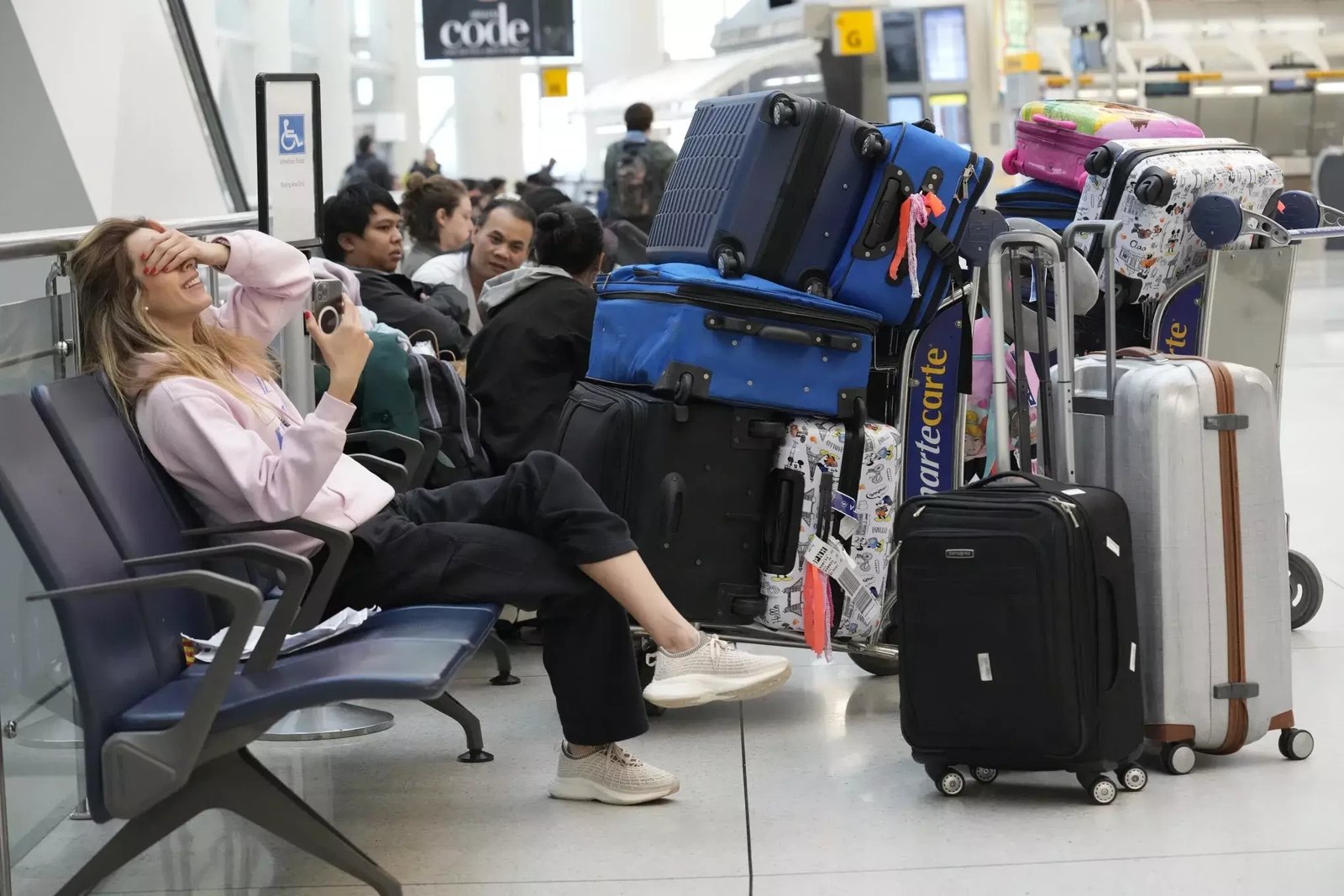
Look at a map and Vietnam seems small. It isn't. From the Chinese border to the southern tip it runs about 1,650 kilometres. A flight from Hanoi to Saigon is only two hours in the air, but by the time you've checked out, crossed the city, checked in, waited, flown, collected your bags and fought the traffic on the other side, half the day is gone. Do that four or five times in ten days and you spend a whole chunk of your holiday in airports and vans.
How a slow trip feels
Many of the companies I guided for were very good at this. One American company, which looked after older travellers, cared about pacing above almost everything else. We didn't rush. In each place we took our time with the stories and with the people.
Around Hanoi, we talked about how daily life really works there: how the older generation lives in a fast-changing city, and how young people now earn a living with nothing but a laptop, working online from home. When we reached the rice fields, we got out and talked to the farmers. Some of my guests took off their shoes and socks and walked into the paddy with them.
We would spend the whole day in one place, then come back to Hanoi. The next day we would visit another area near the city to see a different side of it. That's how you get under the skin of Hanoi. You can't do that in a single night between flights.
Six guests from Switzerland, and one sentence
But some trips are built the other way. I once guided three middle-aged couples from Switzerland who wanted to see all of Vietnam in ten days. The plan was:
- Hanoi: 2 nights
- Ha Long Bay: 1 night
- Hoi An: 3 nights
- Da Lat: 2 nights
- Saigon: 2 nights
Hanoi became a place to land and sleep. Every couple of days the suitcases were packed again.
On the last day, at the airport in Saigon, one of them told me something I still remember. Everything had been good, he said. The guide was kind, friendly and knowledgeable, the logistics were excellent, and the food was wonderful. There was only one thing they didn't like. Next time, they would spend ten days in just one region of Vietnam.
That sentence taught me more about pacing than any training. I'm grateful to those six guests for being so honest. Since then, whenever travellers ask me, I give them the options and suggest they talk it through with the company they book with. And the people who have asked me have almost always chosen to spend more time in one region rather than racing across the whole country. I use ten days as my measure because of those six Swiss travellers. I've never forgotten them.
What it feels like from the guide's side
It's hard to watch someone lose their trip to a timetable: one activity after another, an early start every morning, a new hotel every other night. Vietnam is a tropical country. Between the heat, the humidity, a little dehydration and the jet lag, a packed schedule means you stop feeling anything at all. It turns into an endurance test instead of a holiday you can enjoy.
What to do instead
- 10 days: two regions. For example, Hanoi and the north, then the centre.
- 2 weeks: three regions, with at least three nights in each main stop.
- Leave one day with nothing planned in each region.
Our two weeks in Vietnam guide shows how to pace a longer trip.
An American couple who did it right
In January 2026 I travelled for ten days with an American couple. This was their plan:
- Arrive in Hanoi
- Ninh Binh
- Ha Long Bay
- Fly to Da Nang and transfer to Hoi An, then four nights in Hoi An
- End the trip in Hoi An
They had time to understand the culture, try the things each region does best, and play pickleball four times. When they left, they told me: "I'm fully charged, and ready to come back to Vietnam." That's what a good trip should do to you.
Freezing in the middle of the street
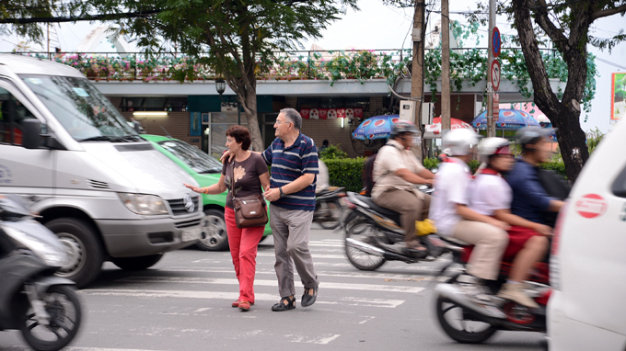
The first time I helped a foreigner across the road, I was still in high school. My friends and I had cycled to Hoan Kiem Lake. Back then the traffic rules were loose, there were no cameras, and plenty of people rode straight through red lights. I saw two older foreign ladies trying to cross. The light had turned red three times and they still couldn't get over. So I stopped my bike, got off and walked them across. They thanked me, and I've never forgotten it.
It isn't like that now. Since 2025 Vietnam has brought in traffic cameras and much heavier fines for running red and amber lights, and people follow the signals far more. But walking around Hanoi's Old Quarter, you'll still need the skill sometimes:
- Raise a hand so riders can see you.
- Walk slowly and steadily. Don't run, and don't stop suddenly in the middle.
- If a car or a large vehicle is coming fast, let it pass, then keep walking at the same slow pace.
The motorbikes will flow around you. They're watching where you're going, so the worst thing you can do is change your mind halfway. More in our Hanoi Old Quarter guide.
Getting into the wrong taxi at the airport
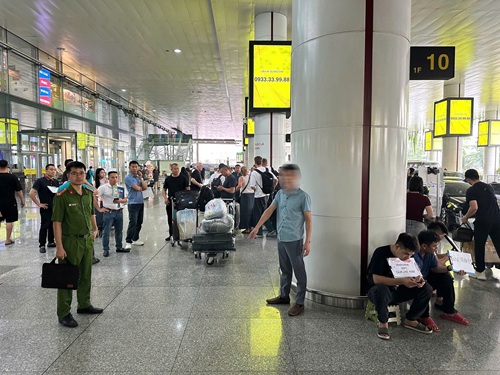
Taxi scams are a problem we still haven't fully solved. Fake Grab drivers and fake taxis wait at airports and stations, hoping to take you to your hotel for much more than the real fare.
The safest thing is to have someone book your transfer for you: your hotel, your travel company or us. It costs more than calling a Xanh SM or Grab yourself, but you're guaranteed a safe ride, and a small problem like this won't spoil the start of your trip. If you do book your own ride, only use the Grab or Xanh SM app, and check the plate number before you get in.
Dressing for the beach at a temple
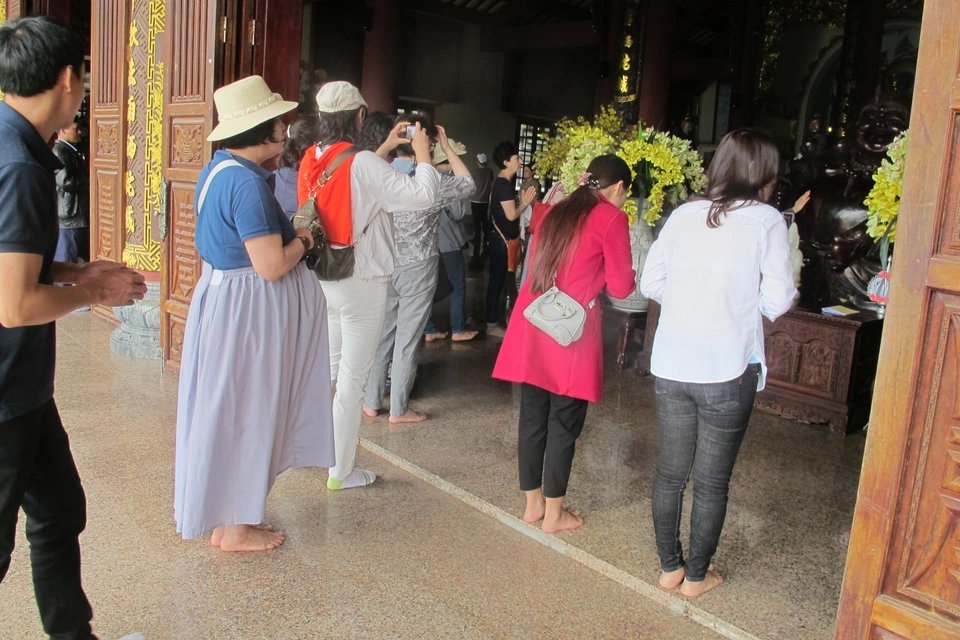
Temples, pagodas and palaces ask you to cover your shoulders and knees. In practice it's simpler than it sounds:
- Knee-length shorts are fine. Long trousers are fine too, but in the heat, knee-length shorts are what I'd wear.
- For women, carry a large scarf. When you reach a temple or pagoda, tie it around your shoulders or waist and you can walk in without anyone stopping you.
Our Vietnam etiquette guide covers the other small things that matter.
Packing for "hot Vietnam" in a Hanoi winter
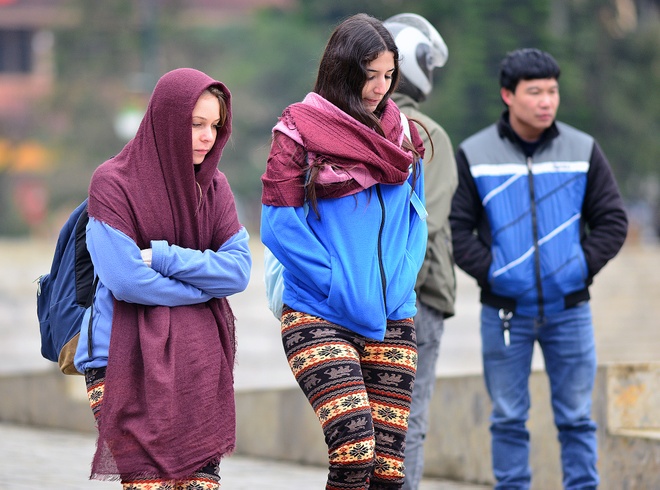
From December to February, Hanoi and Sapa are genuinely cold. I once guided two young British travellers in their early twenties. They told me that 12 to 15°C is just cool weather back in the UK. I agreed, but I explained that the cold in Vietnam is a tropical cold: the air is very humid, there's moisture everywhere, and clothes that soak it up will leave you chilled.
They didn't take my advice. They left their suitcases in Hanoi, because we were coming back after a three-day, two-night trip to Sapa. When we arrived, they were in shorts and T-shirts and felt fine for a while. Then, an hour into the walk, they started to say they were cold, and we stopped to buy jackets by the side of the road.
At lunch that day we didn't have rice. I took them for a salmon hotpot to warm them up, and only then did we carry on exploring Sapa in the afternoon. They laughed about it later, but bring the jacket. Our Vietnam packing list tells you exactly what to pack for the north in winter, and our Sapa guide covers the mountains.
Getting tipping wrong

Tipping in Vietnam isn't compulsory, and it isn't rude either. People see it as a kind gesture. So you know what's normal, here are the numbers I'd give a friend:
- Restaurants: about US$2 to US$3 (50,000 to 70,000 VND), left on the table under the plate.
- Hotels: put it in the tip box at reception.
- Tour guides: about US$5 to US$8 per day.
- Drivers: about US$2 per day.
None of this is required. But if you really loved your guide or your driver and want to give more, it will help them a great deal. Our money in Vietnam guide covers cash, cards and ATMs.
Taking tap water and the law lightly
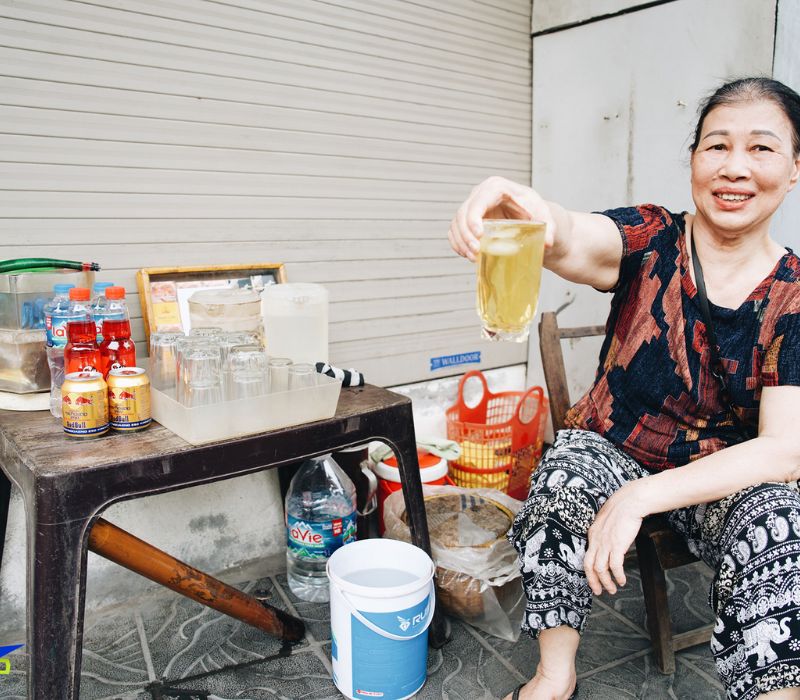
- Don't drink tap water. Use bottled or filtered water. Ice in city cafés and restaurants is usually made in factories and fine to have.
- Drug laws are extremely strict. Even small amounts carry very heavy penalties.
- Vapes and e-cigarettes are banned since 1 January 2025, and the rules are enforced. Leave them at home.
Riding a motorbike without a licence
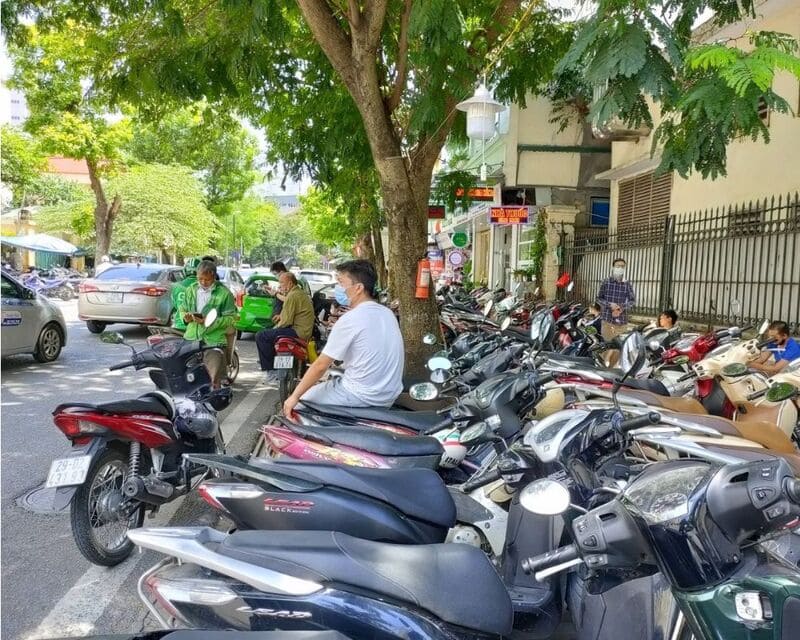
Renting a scooter in Vietnam takes two minutes, and nobody at the rental shop will ask for a licence. That's the trap. If you ride without a licence that's valid in Vietnam and something goes wrong, most travel insurance will refuse to pay, and medical bills or an evacuation can be very expensive. If you want to explore by bike, check your licence and your policy first, or ride on the back with a local driver. Our is Vietnam safe? guide has more.
Staying inside the tourist bubble

This is the softest mistake on the list, and the one I find saddest. You can travel through Vietnam, see everything, eat well, and still never have a real conversation with a Vietnamese person.
My own answer is the pickleball court. It's the easiest door into everyday Vietnamese life I know. Turn up around 6pm, ask to join a drop-in game, play, and stay for the group photo at the end. It's one of the reasons I wanted to build this website. When you play with local players, you see for yourself how friendly Vietnamese people are, how open the country has become to the world, and how fast Vietnam catches on to new trends. Our guide to playing pickleball in Vietnam shows you how to get a game.
Vietnam travel mistakes FAQ
What is the biggest mistake you can make in Vietnam?
Trying to see the whole country in one short trip. Vietnam is about 1,650 kilometres long, and every flight eats half a day. In 10 days, choose one or two regions.
How many days do you need in Vietnam?
Ten days is enough for two regions, and two weeks for three. To travel the full length of the country comfortably, allow at least three weeks.
Is it rude to tip in Vietnam?
No. Tipping isn't compulsory, but it's appreciated: about US$2 to US$3 at a restaurant, US$5 to US$8 a day for a guide and about US$2 a day for a driver.
Can you drink tap water in Vietnam?
No. Drink bottled or filtered water. Ice in city cafés and restaurants is usually factory-made and fine.
How do you cross the street in Vietnam?
Raise a hand, then walk slowly and steadily without running or stopping. Let large vehicles pass, and the motorbikes will flow around you.
What should you wear to temples in Vietnam?
Cover your shoulders and knees. Knee-length shorts are fine, and women should carry a large scarf to wrap around their shoulders or waist.
The bottom line

The biggest mistake you can make in Vietnam is trying to see everything at once. After ten years of guiding, the trips I remember most are the slow ones: the guests who walked barefoot into a rice paddy, the couple who went home "fully charged", the travellers who stayed for the group photo after a game. Pick one or two regions, book your transfers, pack a jacket for the north, cover your knees at the temple, and leave room for the people. If you'd like help pacing it, we'll plan a private trip around your dates, with time to breathe and time to play.
Find a game in Vietnam
Join Pickleball in Vietnam, our free Facebook group. Ask about courts, find a morning game and swap tips with players who live here.
Join the group