Hoi An or Da Nang? It's the question almost everyone asks when they plan central Vietnam, and most answers stop at "beach city vs lantern town". That's true, but it won't help you book a hotel. The two places are only about 30 km apart, so the real question is where you want to wake up, and where you want to be at 9pm. Here's how to choose, who each one suits, and how to split your nights if you can't decide.
The short version
Stay in Da Nang if you want a proper swimming beach, big hotels, easy flights, nightlife and the most pickleball courts in the region.
Stay in Hoi An if you want lantern-lit evenings on foot, cooking classes, cycling through rice fields and a slower, prettier town.
Split it if you have five nights or more: two or three in each. It's the answer most repeat visitors give, and they're right.
The middle option: a resort on the beach strip between them puts you 15 to 20 minutes from Hoi An's old town and close to the courts.
Check the month: October and November are flood season in Hoi An. In those weeks, Da Nang is the safer base.
The quick answer: think about your evenings

Mornings are easy in both places. You can swim, play, or drink coffee anywhere. The difference shows up at night.
In Hoi An, you walk out of your hotel and within ten minutes you're on the river, lanterns overhead, a bowl of cao lau in front of you. There's no taxi, no plan, nothing to organise. In Da Nang, evenings are a city thing: seafood on the beach road, rooftop bars along the Han River, the Dragon Bridge breathing fire at 9pm on Saturdays and Sundays.
If you picture yourself wandering, stay in Hoi An. If you picture a sea view, a big pool and a choice of restaurants, stay in Da Nang. And if you want both, you can have both, because the drive between them is short.
How far apart are Hoi An and Da Nang?

Hoi An's old town is about 30 km south of central Da Nang. By Grab car it takes 35 to 50 minutes depending on traffic and where you start, and usually costs somewhere around 300,000 to 450,000 VND (roughly US$12 to 18). Private transfers cost a little more but you can book them ahead and they'll wait for you.
There's one thing that has changed recently. Since Vietnam merged its provinces on 1 July 2025, the old Quang Nam province, Hoi An included, has become part of Da Nang city. On paper, Hoi An is now a set of wards inside Da Nang. On the ground nothing has moved: it's still a separate town with its own feel, and you'll still see "Quang Nam" on older maps and signs. Just don't be confused if your hotel address says Da Nang when you booked Hoi An.
Which airport for Hoi An?

Da Nang International Airport (DAD) is the airport for both. It sits right inside the city, so most Da Nang beach hotels are only 10 to 20 minutes away. Hoi An is 45 minutes to an hour. That matters for late arrivals and early flights: if you land at midnight, one night in Da Nang first is a kind thing to do for yourself. Whichever you choose, we can meet you at DAD with your name on a sign, at any hour.
Da Nang vs Hoi An, side by side
Here's how the two compare on the things that actually shape a trip.
Beach: Da Nang wins, clearly

My Khe and the long stretch south of it are wide, clean city beaches, busy with locals swimming at sunrise. Hoi An's beaches, An Bang and Cua Dai, are smaller and have been badly hit by erosion. The storms of late 2025 washed away large parts of the coastline there, including beach bars at An Bang, and a breakwater project is still under way. You can still have a lovely afternoon at An Bang, but if the beach is the point of your trip, base yourself in Da Nang.
Atmosphere: Hoi An wins, clearly

Hoi An's old town is a UNESCO World Heritage Site, and it feels like one: yellow walls, wooden shophouses, the Japanese Covered Bridge, the river. The best of it is before 8am and after dark, which is exactly when day-trippers from Da Nang aren't there. Stay in town and you get those hours to yourself. Da Nang is a modern, clean, easy city with a great seafront, but nobody goes there for charm.
Food
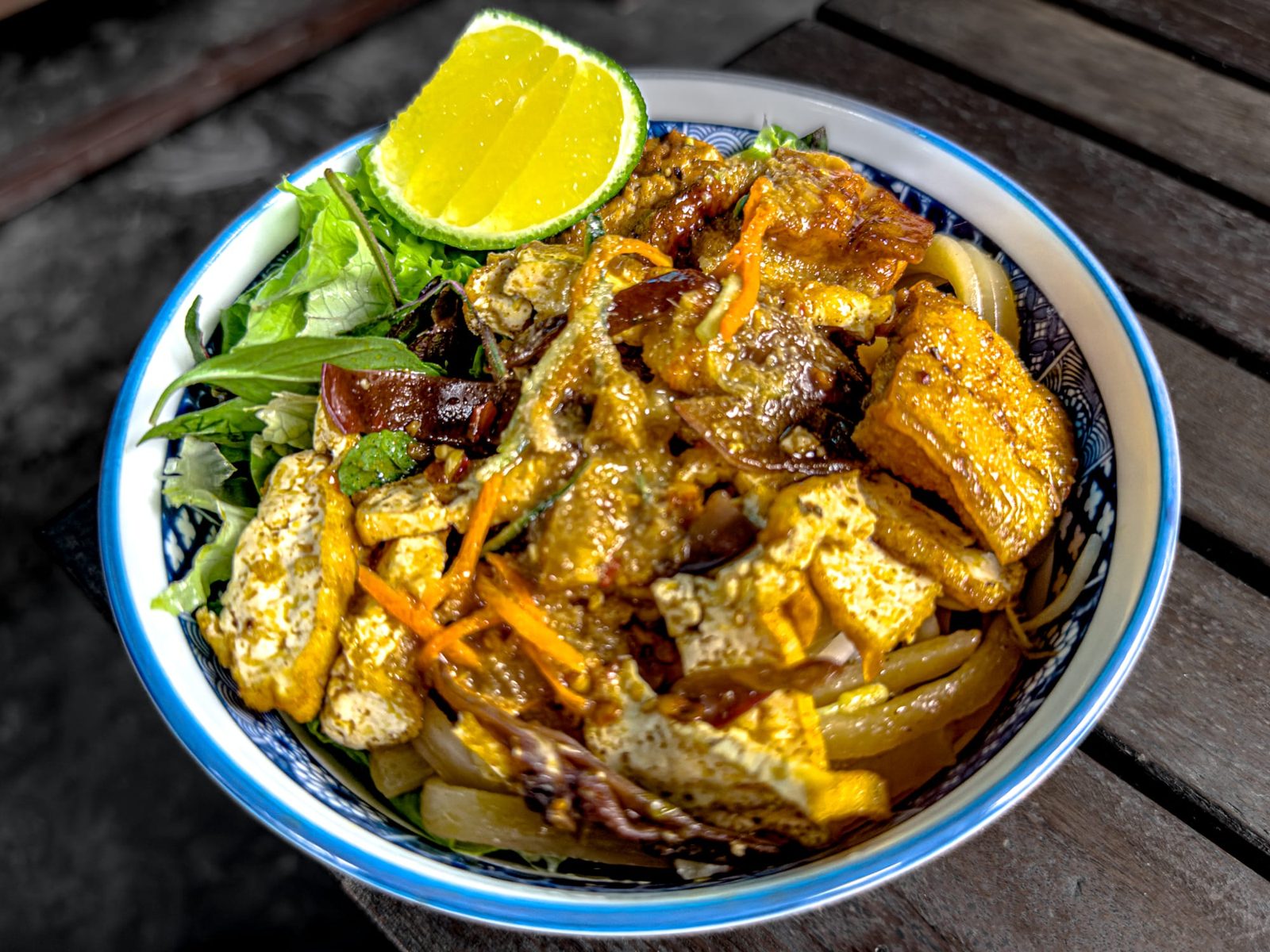
A draw, but a different kind of food. Hoi An has the famous dishes (cao lau, white rose dumplings, the banh mi everyone queues for) and the cooking classes. Da Nang has the seafood: pick it from the tank, pay by weight, eat it at a plastic table on the beach road. Both have mi Quang on every corner. Our guide to what to eat in Vietnam has more.
Hotels and value

Da Nang has far more hotels, so you get more for your money: sea-view rooms, big pools, gyms. Hoi An leans towards boutique hotels, riverside villas and family-run homestays in the rice fields, often with bicycles thrown in. Both are good value by international standards. Just book early for Hoi An in peak months (February to April) because the best small places fill up.
Getting around

In Hoi An you walk and cycle. The old town's core streets are closed to motorbikes for much of the day and evening, and most hotels lend bikes. In Da Nang you'll use Grab for almost everything, which is cheap and easy, but it's a city of wide roads, not strolling.
Who should stay in Da Nang

- Beach lovers. You want to swim every day, not once.
- Pickleball players who want to play most mornings and have a choice of clubs (more below).
- Families with younger kids who want a resort pool and short transfers.
- Short trips. With two or three nights, the airport being 15 minutes away saves you real time.
- People who want day trips to Ba Na Hills and the Golden Bridge, the Son Tra peninsula or the Hai Van Pass, which are all closer to Da Nang.
- Longer stays and remote workers. Our Da Nang digital nomad guide explains why the city works so well for a month or more.
If this sounds like you, our one-week Da Nang itinerary shows how the days can flow, with Hoi An as an evening trip.
Who should stay in Hoi An

- Couples who want romantic evenings without a taxi ride home.
- First-timers who love old places, history, craft and markets.
- Food lovers who want a cooking class and a morning at the market.
- Slow travellers who'd rather cycle to a herb village than drive to a theme park.
- Photographers. Sunrise on the river and the lantern hour are Hoi An's best moments, and you only catch both if you sleep there.
Not sure what to fill the days with? Here are the best things to do in Hoi An, from basket boats to My Son.
The in-between option: the beach strip

This is the answer a lot of guides skip. Between Da Nang's Non Nuoc beach and Hoi An's Ha My beach there's a long strip of resorts. You're 15 to 25 minutes from Hoi An's old town, 25 to 30 minutes from central Da Nang, and the beach outside is usually quieter than My Khe.
It suits you if you want a resort holiday with easy evenings in Hoi An. Several of the resorts here also have pickleball courts, like Four Seasons The Nam Hai with two guest courts, and further south, Hoiana with eight. We've listed them all in our guide to resorts with pickleball courts in Vietnam.
The catch: you'll need a car for almost everything, and some resorts are a long way from a local street with cheap food.
Hoi An or Da Nang with kids

With young children, Da Nang or the beach strip is usually easier: swimming beaches, resort pools, kids' clubs, and a short hop from the airport. Hoi An is lovely with kids too (basket boats, lantern-making, feeding the fish at the river), but the old town gets crowded in the evenings and the pavements are narrow for pushchairs. Many families stay on the coast and go into Hoi An for a late afternoon and dinner, then head back to the pool the next day.
With teenagers, Hoi An's cycling, cooking classes and tailors tend to be a hit, and Da Nang's Ba Na Hills and Sun World are the backup for a rainy day.
Which first, and how to split your nights

If you're doing both, which one first? Usually Da Nang first, Hoi An second. You land in Da Nang, you're tired, you want a short transfer and a swim. Then you slow down in Hoi An at the end, when you've got the energy for its evenings. Stop at the Marble Mountains on the way down. If you're flying out early, reverse it and finish near the airport.
A simple guide to splitting nights:
- 2 to 3 nights: pick one. Da Nang if you're a beach person or have an early flight, Hoi An if you're not. Visit the other on an afternoon trip.
- 4 to 5 nights: two in Da Nang, two or three in Hoi An.
- A week: three and four, in whichever order suits your flights.
Hue fits in too, if you're coming from the north or heading there. The Hai Van Pass drive from Hue to Da Nang is one of the best in Vietnam, so a lot of people do Hue, then Da Nang, then Hoi An. Our Da Nang & Hoi An trip splits the nights between both towns, with morning games along the way.
When the answer changes: the rainy season

From about September to December, central Vietnam gets its heavy rains, with the worst usually in October and November. Hoi An sits on the Thu Bon River, and its old town floods almost every year. In late October 2025 the river in Hoi An rose above its 1964 record, and the town was under water for days.
So in October and November, Da Nang is the safer base: it drains faster, has more indoor things to do, and has plenty of covered pickleball courts. Keep Hoi An for a flexible evening when the weather allows. From February to August the choice is all yours. Our month-by-month guides for November 2026 and December 2026 go into detail, and the best time to visit Vietnam covers the full year.
Can't decide?
Every trip we plan is private: just you, your partner or a few friends, on your own dates. Tell us how you like to travel and we'll pick the base, the hotels and the courts.
See the Da Nang & Hoi An tripWhere to stay: the best areas in each
Da Nang: My Khe, the river, or Son Tra

- My Khe and My An (beach side): the best all-round area. Beach across the road, lots of cafes and restaurants, and most of the pickleball clubs within a short Grab ride.
- Han River (Hai Chau): the city centre. Good for nightlife, the markets and the Dragon Bridge, but you'll take a Grab to the beach.
- Son Tra peninsula: big, quiet luxury resorts with private beaches and forest behind them. Beautiful, but isolated.
Hoi An: old town, An Hoi, the rice fields or An Bang

- Old town edge and An Hoi island: walk to the lanterns in five minutes. The most convenient, and the busiest.
- Cam Thanh and the rice fields: villas and homestays among the paddies, 5 to 10 minutes by bicycle from town. Our favourite for couples.
- An Bang: the beach side of Hoi An, about 15 minutes by bike from town. Relaxed, but check recent photos of the beach before you book, because erosion has changed it.
Hoi An vs Da Nang for pickleball

If you play, this may settle it. Da Nang has far more courts than anywhere else in central Vietnam: dozens of clubs, many covered, with busy open play at 5:30am and again in the evening. The Furama resort alone has 14 courts. Our guide to where to play pickleball in Da Nang lists the clubs visitors like most.
Hoi An has caught up a bit. There are now around ten local courts in and around town, several covered or indoor, usually around 80,000 to 120,000 VND an hour, and a few run social sessions where you can turn up alone and rotate in. It's a smaller scene, so check times before you go. Outside town, Hoiana's eight courts are the best set-up south of Da Nang.
So: play every day with lots of different people? Stay in Da Nang. Happy with a game every other morning? Hoi An works fine. On our trips we book the courts and find you a game either way.
The bottom line
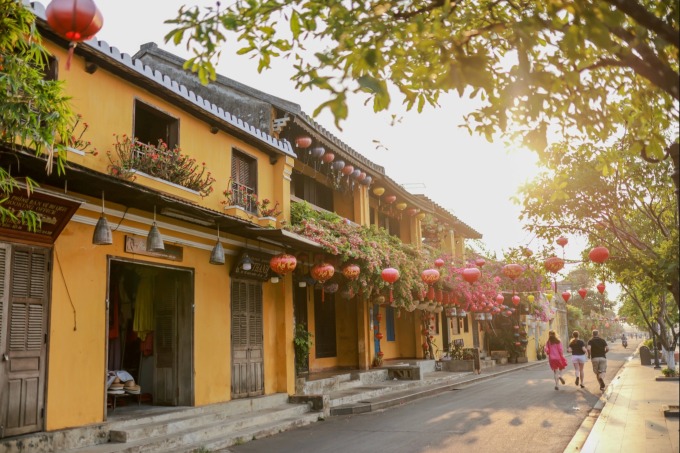
Da Nang is the better base for beaches, short trips, families and pickleball. Hoi An is the better base for atmosphere, food and slow days. With five nights or more, split them: Da Nang first for the sea and the courts, then Hoi An for the lanterns. In October and November, lean towards Da Nang and treat Hoi An as a bonus.
Still torn? Tell us about your trip and we'll suggest a base that fits how you travel.
Find a game in Vietnam
Join Pickleball in Vietnam, our free Facebook group. Ask about courts, find a morning game and swap tips with players who live here.
Join the group