Da Nang is the easiest city in Vietnam to like. The airport is ten minutes from the centre, the beach runs for miles, and the traffic feels calm after Hanoi or Saigon. Most people treat it as a place to sleep between Hoi An and Ba Na Hills. Stay a few days and you'll find more: a mountain full of caves at the edge of town, a peninsula with wild monkeys, a museum the size of a small temple, a bridge that breathes fire, and the busiest pickleball scene in central Vietnam. Here's what's worth your time, with 2026 prices and opening hours.
The short version
Don't miss: a sunrise swim at My Khe Beach, the Marble Mountains, the Lady Buddha on Son Tra, the Dragon Bridge on a weekend night, and a bowl of mi quang.
Worth it, with a warning: Ba Na Hills and the Golden Bridge. Go on a weekday, on the first cable car.
New since 2025: Da Nang merged with Quang Nam province, so Hoi An, My Son and the Cham Islands are now inside the city limits.
How long: three days for Da Nang itself, five or more with Hoi An and a day trip.
Pickleball: Da Nang hosted the 2026 Pickleball World Cup. Play at 6am, then hit the beach.
Da Nang in 2026: a bigger city than your guidebook says
On 1 July 2025, Da Nang merged with Quang Nam province next door. Hoi An's old town, the My Son temple ruins, the Cham Islands and An Bang beach are now all part of Da Nang city. For you, nothing changes on the ground: Hoi An is still a 45-minute drive south and still feels like its own town. It does explain why you'll see "Da Nang" on signs in places that older guides call Quang Nam.
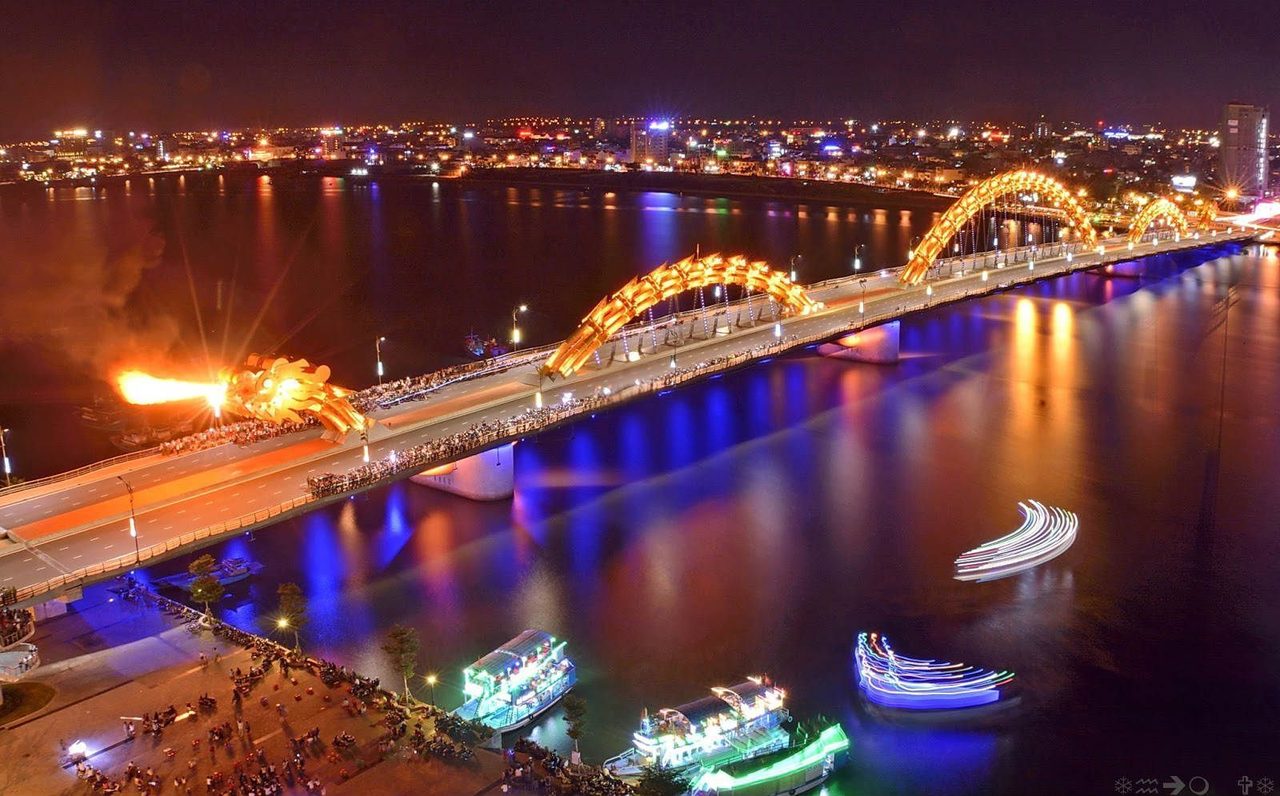
The old city is easy to read. The Han River runs through the middle, with the restaurants, the markets and the Dragon Bridge on its banks. East of the river, a long straight beach runs from the Son Tra peninsula in the north down to the Marble Mountains in the south and on towards Hoi An. West of the city, the hills rise to Ba Na and the Hai Van Pass.
Getting around is cheap. Grab and Xanh SM (the electric taxi app) cover the whole city, and most rides between the beach and the river cost less than 100,000 VND.
My Khe Beach and the coast

My Khe is the city beach, and it's a good one: wide, clean sand, free to use, with lifeguards along the main stretch. The best time is early. From about 5am, locals swim, jog and play beach volleyball before work, and the light over the sea is beautiful. By 9am the sun is strong and the sand is hot.
A few honest notes. The sea is calm and good for swimming from about April to September. From October to February the waves get big and rip currents are common, so swim only between the flags, or not at all on red-flag days. That's also when surfers turn up.
For quieter sand, head south towards Non Nuoc and the resort strip, or keep going to An Bang near Hoi An. In the evening, the seafood restaurants along the beach road let you choose your fish from a tank and have it grilled.
Son Tra Peninsula and the Lady Buddha
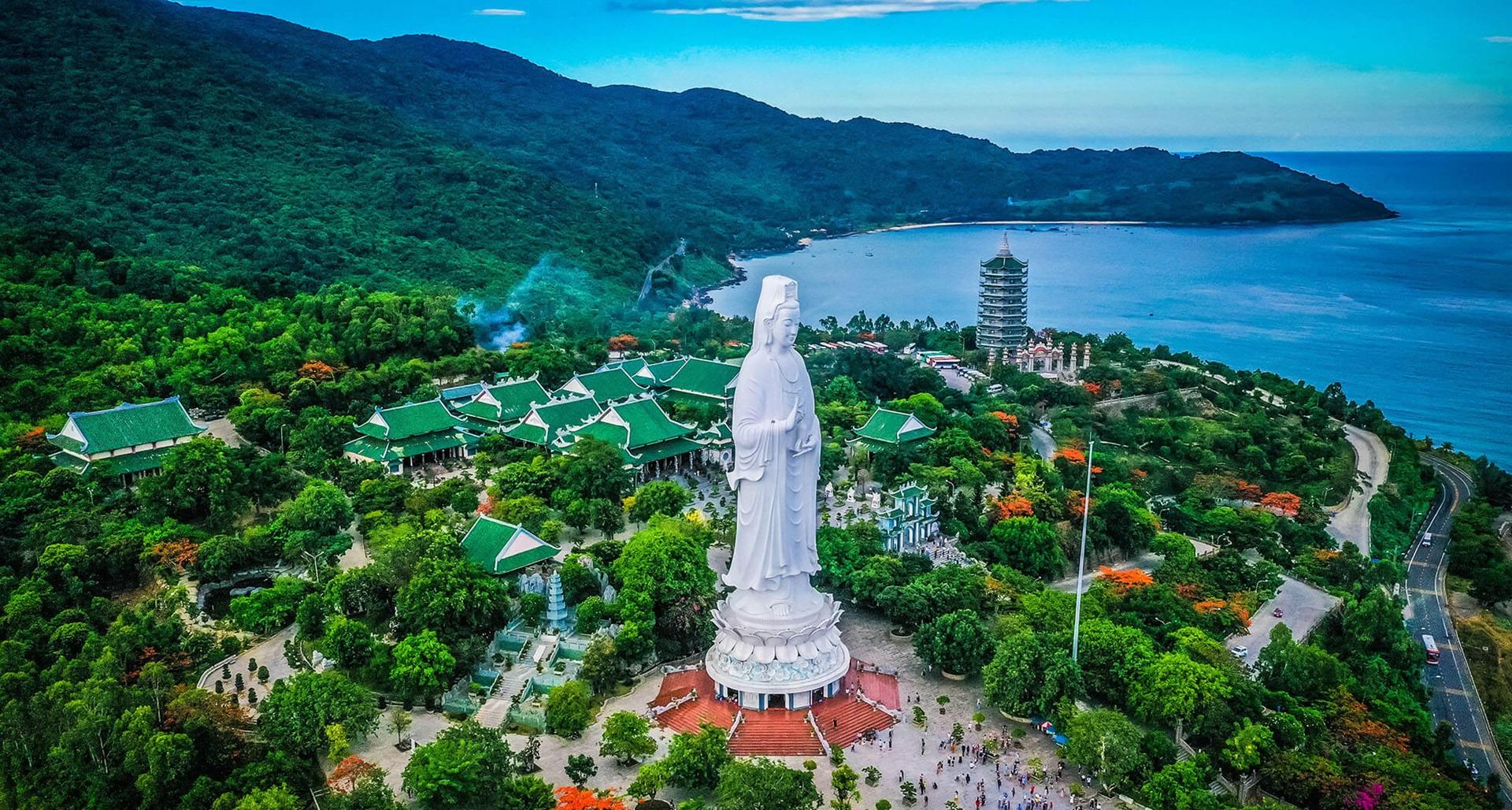
Son Tra is the green mountain at the north end of the beach, and it's one of the reasons Da Nang feels so different from other Vietnamese cities. Most of it is a nature reserve, and it's home to the rare red-shanked douc langur, a monkey with grey fur, red legs and a pale face. You may spot a family of them in the trees by the road if you go early and drive slowly.
The main stop is Linh Ung Pagoda (Chùa Linh Ứng), with its 67-metre white statue of the Bodhisattva of mercy looking out over the bay. It's free, open from early morning until evening, and it's an active temple, so cover your shoulders and knees. The view back across the beach to the city is the best in Da Nang.
Allow half a day. A Grab car is fine for the pagoda. For the higher roads and the viewpoints, it's easier with a driver, because some stretches are steep and narrow.
The Marble Mountains
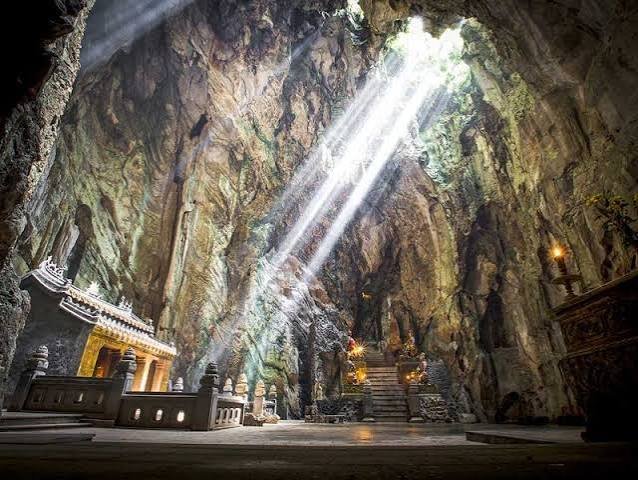
Five limestone hills rise out of the flat land between Da Nang and Hoi An, each named after an element. The biggest, Thuy Son (water mountain), is the one most people climb, and it's full of pagodas, shrines and caves. The best is Huyen Khong, a huge cave where shafts of sunlight fall through holes in the roof onto Buddha statues. Go before 10am for the light.
- Tickets: 40,000 VND for adults. The lift up the mountain and Am Phu cave (a darker cave about the underworld) are small extra charges, around 20,000 to 30,000 VND each.
- Hours: about 7am to 5pm.
- How long: two to three hours.
- Getting there: about 15 to 20 minutes by Grab from the centre.
There are a lot of stone steps, some uneven and slippery after rain. Wear proper shoes, take water, and use the lift for the first climb if your knees would rather not. At the foot of the mountain is Non Nuoc, the stone-carving village, where workshops sell everything from small Buddhas to statues taller than you.
Ba Na Hills and the Golden Bridge: worth it?
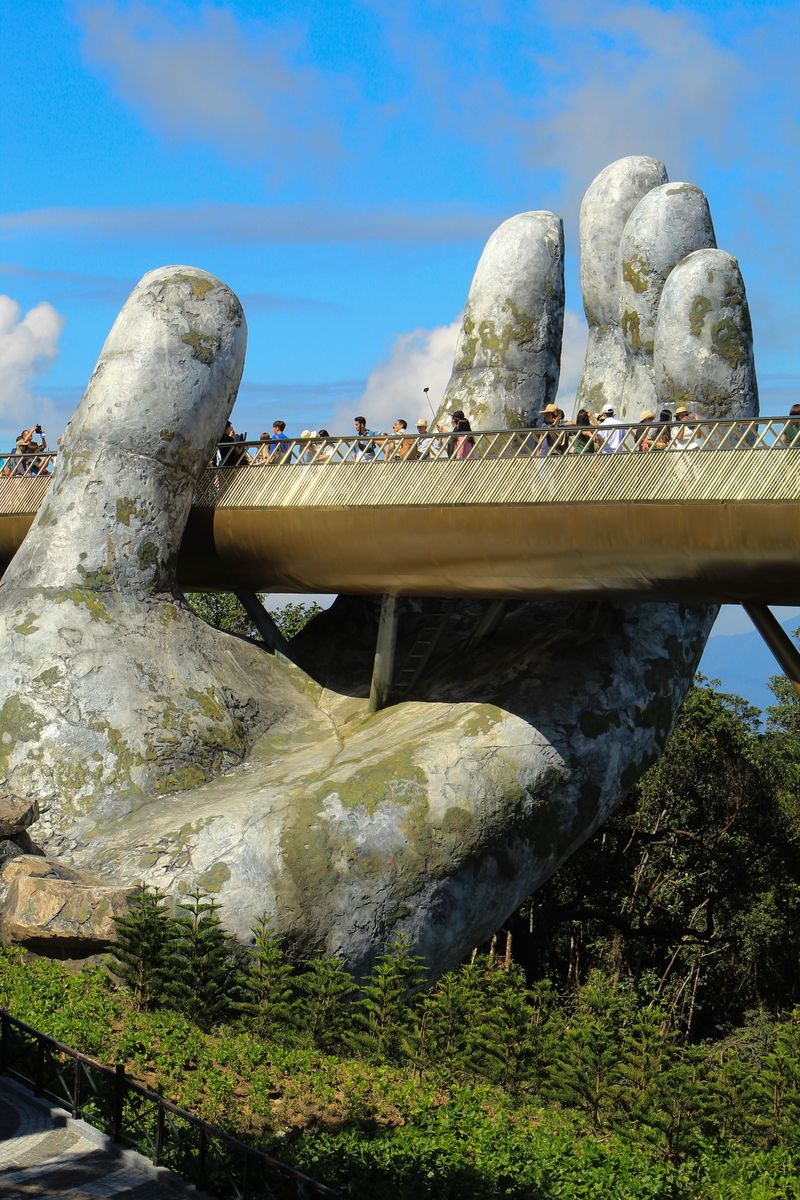
You've seen the photo: a gold walkway held up by two huge stone hands in the clouds. The Golden Bridge is at Sun World Ba Na Hills, a mountain-top theme park about 40 minutes west of the city, reached by one of the longest cable cars in the world. Up top there's a fake French village, gardens, a cathedral, rides and an alpine coaster.
Is it worth it? If you like the idea of a cool, misty mountain and a fun day out, yes. If you want something real and quiet, skip it. It's busy, it's commercial, and the bridge itself is full of people taking the same photo. A ticket with the cable car costs around 950,000 to 1,000,000 VND for adults in 2026, and children under one metre go free.
If you go, these help a lot:
- Go on a weekday, and be at the cable car when it opens at 8am. Head to the Golden Bridge first, before the crowds come up.
- Bring a light jacket. It's usually several degrees cooler at the top, and often foggy.
- Check the weather. On a cloudy day you may not see anything from the bridge at all.
The Dragon Bridge and Da Nang at night

Da Nang is at its best after dark, when the heat drops and everyone comes out to the river. The bridges are lit up in changing colours, and families walk along the Bach Dang riverside.
The Dragon Bridge fire show
Every Saturday and Sunday at 9pm, and on big public holidays, the dragon on the Dragon Bridge breathes fire and then sprays water for about ten minutes. Watch from the east bank near the dragon's head. Get there by 8:30pm for a good spot, and don't stand too close unless you want a shower.
The Han River Bridge
The Han River Bridge swings open to let ships through. On weekends this happens at around 11pm; on weekdays it's in the middle of the night. It's a slow, odd, lovely thing to watch with an ice cream.
Markets and rooftops
Helio Night Market, near the Sun Wheel, is the easy local choice for street food in the evening. For a drink with a view, several hotels along the river and the beach have rooftop bars. If you happen to be in town in June or July, the Da Nang International Fireworks Festival fills the river with teams from around the world.
The Museum of Cham Sculpture
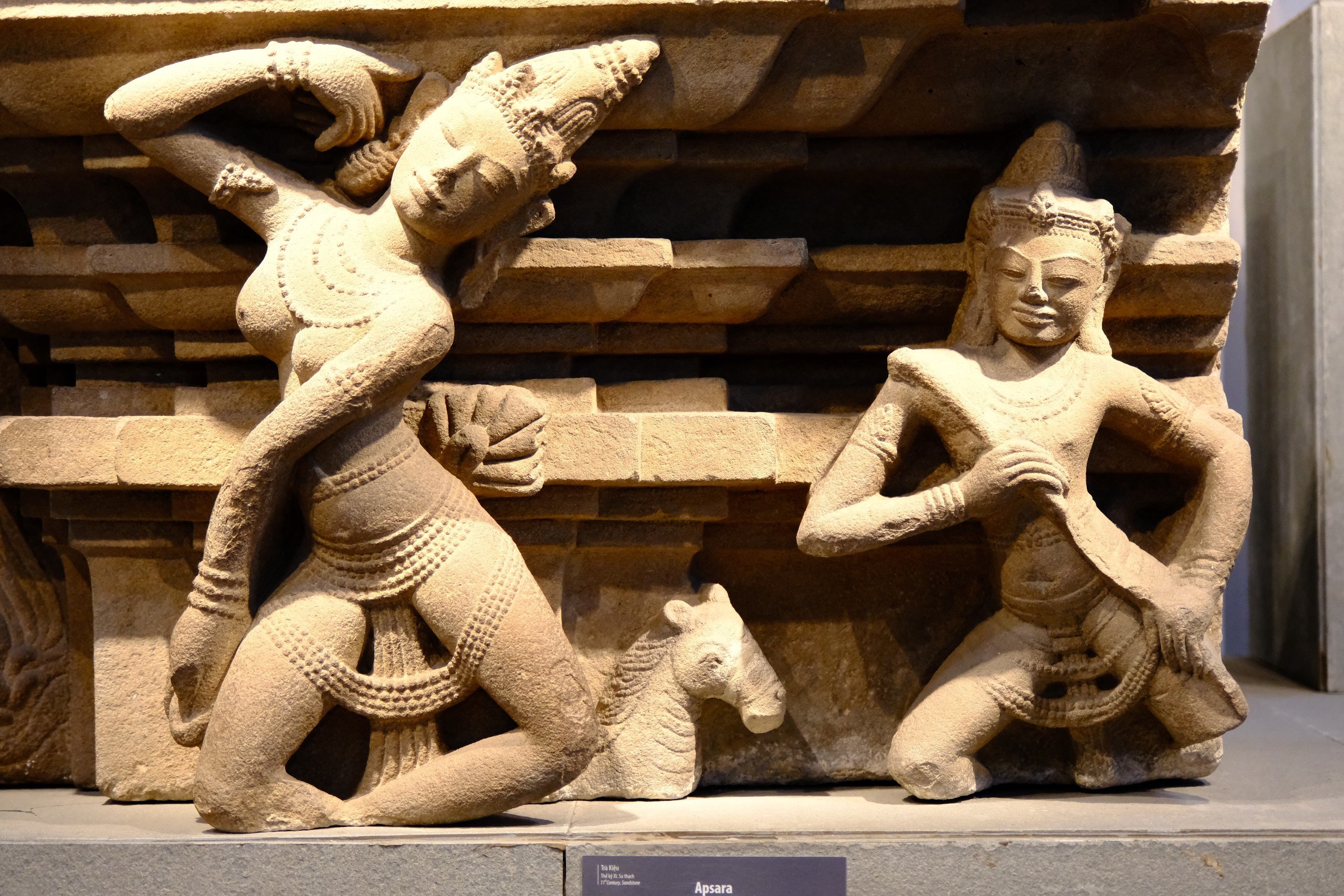
Before the Vietnamese arrived, central Vietnam belonged to the Champa kingdom, a Hindu and later Buddhist civilisation that built brick temples and carved beautiful sandstone gods. This small museum by the river holds the world's largest collection of their sculpture: dancing goddesses, Shiva, Ganesh, lions and elephants, many from My Son.
It's open 7:30am to 5pm and costs 60,000 VND. An hour is enough, and it's air-conditioned, which makes it a good plan for a hot afternoon or a rainy morning. If you're going to My Son, go here first and the ruins will make far more sense.
Eat your way around Da Nang
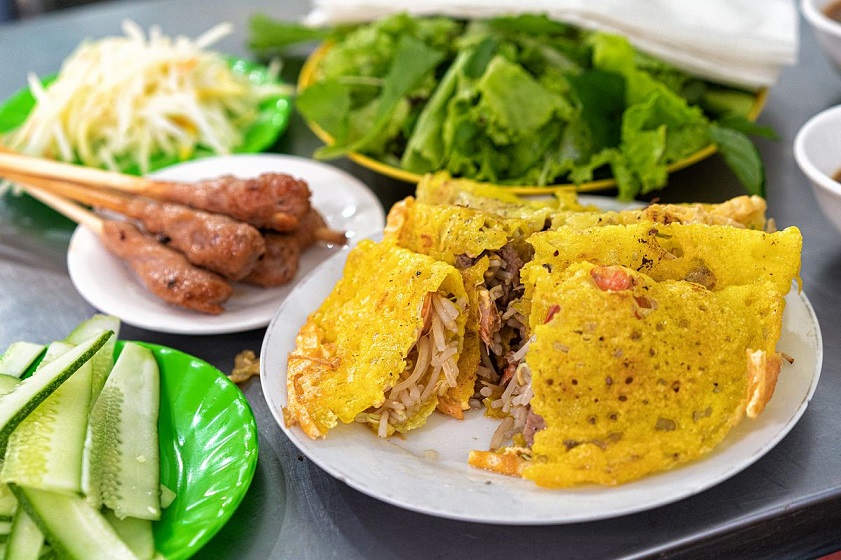
Central Vietnamese food is spicier and bolder than in the north, and Da Nang has its own favourites. Look out for:
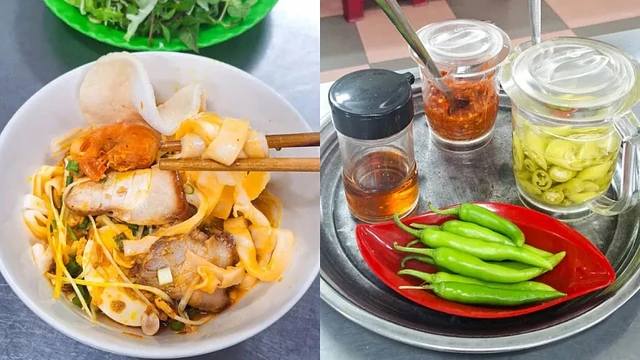
- Mì Quảng: wide yellow noodles in a small amount of rich broth with pork, shrimp, a quail egg, peanuts and a crisp rice cracker. This is the dish of the region.
- Bún chả cá: noodle soup with fried fish cake, light and peppery. A local breakfast.
- Bánh xèo: small crispy pancakes with shrimp, which you roll with herbs in rice paper and dip in peanut sauce.
- Bánh tráng cuốn thịt heo: sliced pork rolled with herbs in rice paper. You make them yourself at the table.
- Seafood: clams, scallops, squid and crab along the beach road, sold by weight.
Han Market and Con Market
Han Market (Chợ Hàn), by the river, was renovated in 2025 and is now set up for visitors: dried fish, coffee, sweets and clothes upstairs, with a tailor or two if you want something made fast. Con Market (Chợ Cồn) is less polished and more local, with a food hall where you can eat your way down the stalls for a few dollars. Our guide to what to eat in Vietnam covers the dishes from the rest of the country.
Day trips from Da Nang

Hoi An
The obvious one, and you shouldn't miss it. The old town is a maze of yellow merchant houses, tailors and lantern-lit lanes on the river. An old-town ticket costs 120,000 VND and covers several historic houses. Go in the late afternoon, have dinner, and stay for the lanterns. Better still, spend a night or two there. See our things to do in Hoi An guide.
My Son Sanctuary
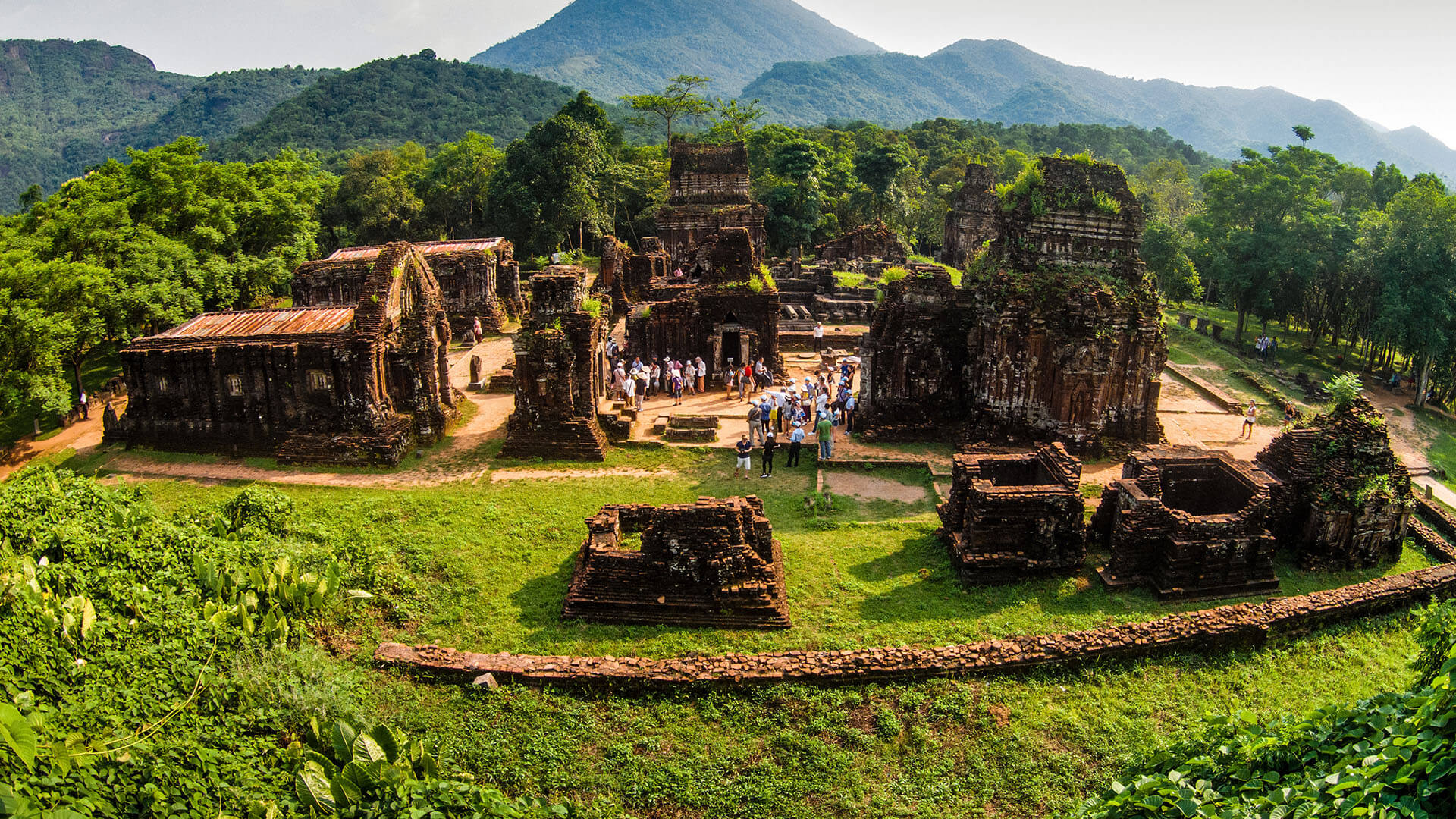
A valley of ruined Cham brick temples, built between the 4th and 13th centuries and now a UNESCO World Heritage Site. It's about 90 minutes from Da Nang. Tickets are 150,000 VND and the site opens at 6am. Go early, because it's hot and shadeless by 10am, and the tour buses arrive around nine.
The Hai Van Pass
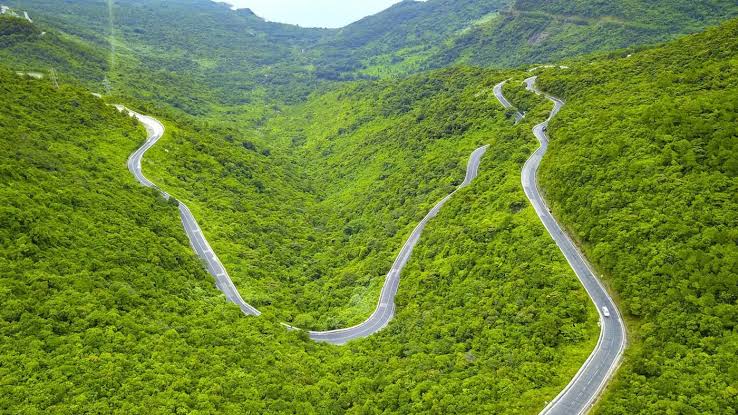
The coast road north of Da Nang climbs over a mountain to the old Hai Van Gate, then drops down to the lagoon at Lang Co. The trucks use the tunnel, so the pass is quiet. Do it by car with a driver on the way to Hue, stopping at the top and for lunch at Lang Co. The motorbike tour is popular, but it's a long day on the back of a bike, and you need travel insurance that covers it. Hue is one of the places in our second trip to Vietnam guide.
The Cham Islands
A small group of islands off Hoi An, with clear water for snorkelling and a quiet fishing village. The speedboat from Cua Dai takes about 20 minutes, and the marine park fee is 70,000 VND. Boats don't run in rough weather, which is common from October to December, so plan it for spring or summer.
Play pickleball in Da Nang
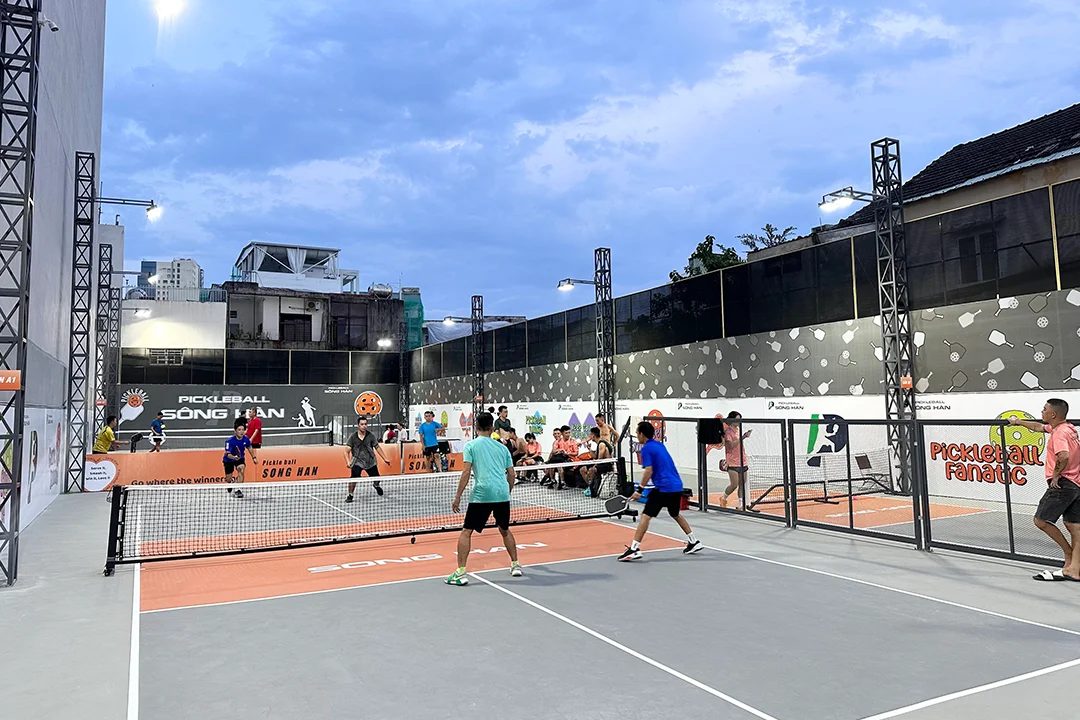
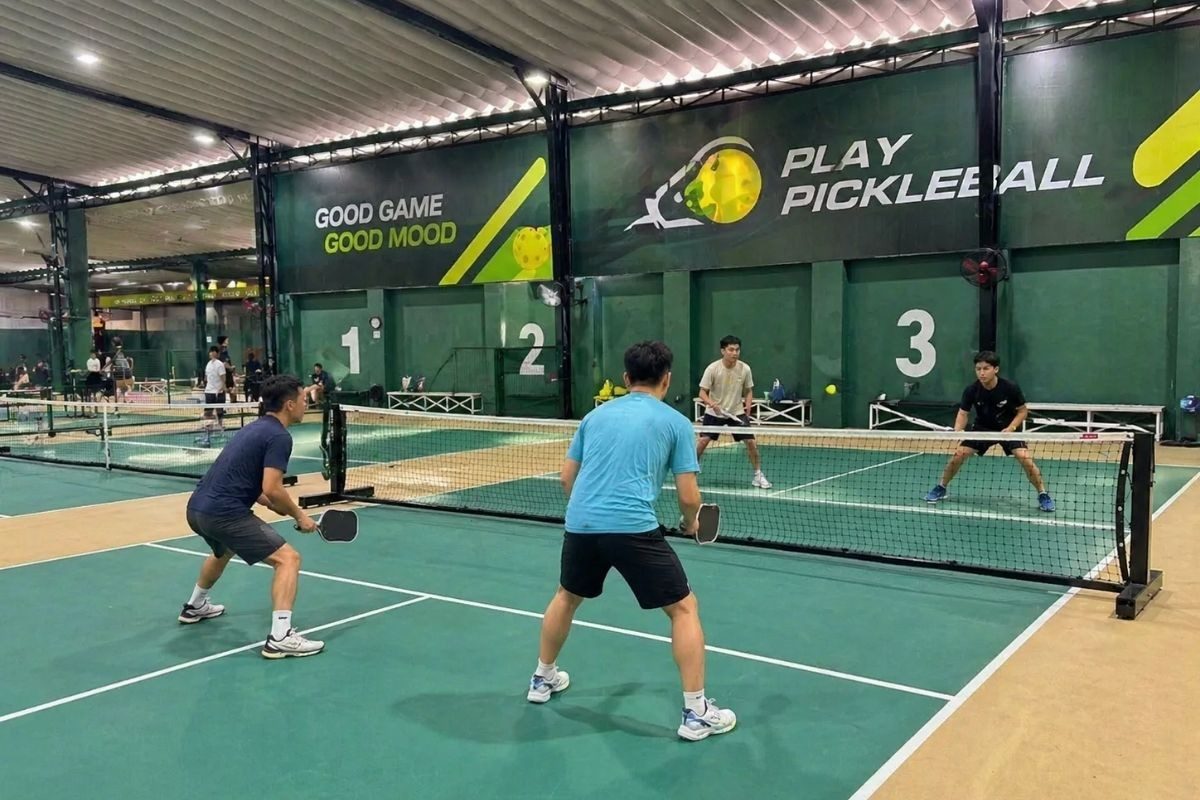
Da Nang went from a few courts to a real pickleball city in about two years, and from 30 August to 6 September 2026 it hosted the Pickleball World Cup, the first one held in Asia. For you as a visitor, that means plenty of courts, cheap sessions and a friendly open-play culture.
- When: 6 to 8am, or after 5pm. The middle of the day is too hot for most people from April to September.
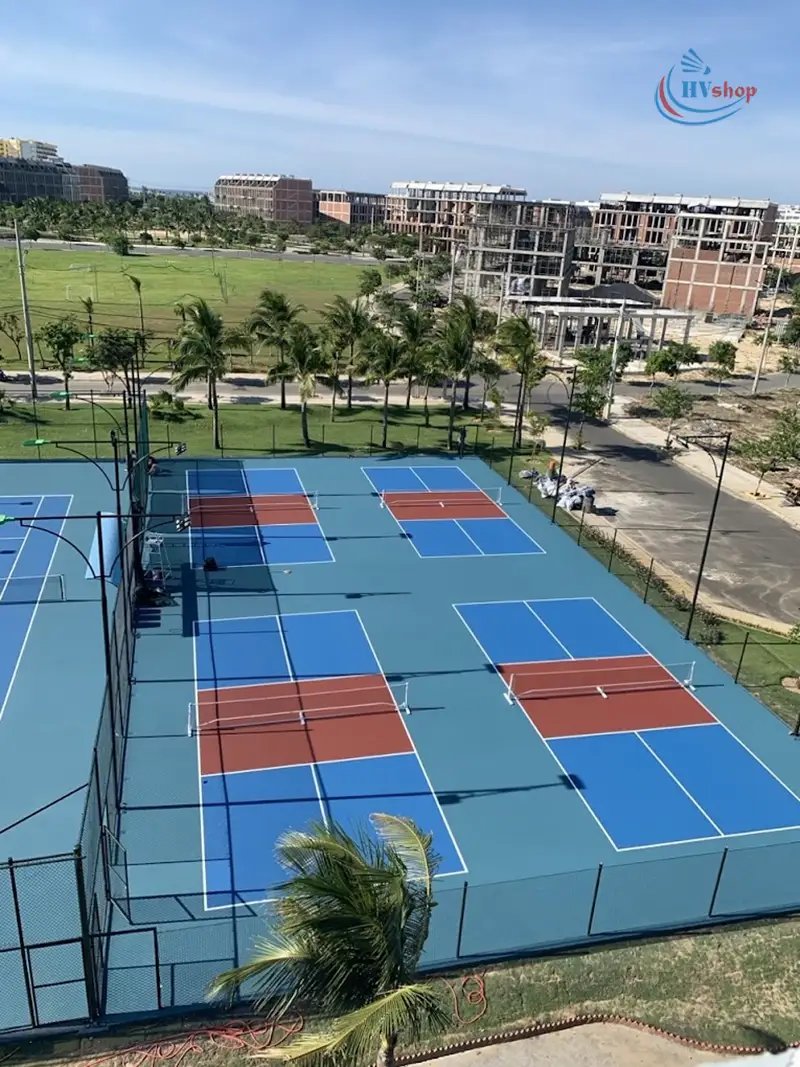
- Where: there are courts near My Khe Beach, along the river and in the south of the city, including covered and indoor ones for rainy mornings.
- Cost: a court or open-play session usually costs a few dollars, and most clubs rent paddles.

The nicest Da Nang day goes like this: play from six, eat mi quang, swim at My Khe, sleep through the hottest hours, then out for the Marble Mountains or the river in the late afternoon. Our guide to pickleball in Da Nang names the clubs and explains how to get a game, and playing pickleball in the heat will help you through the first few mornings.
Want Da Nang sorted for you?
Every trip we plan is private: just you, your partner or a few friends, on your own dates. We book the courts and the drivers, set up your games, and leave the afternoons for the beach and Hoi An.
See the Da Nang & Hoi An tripThings to do in Da Nang with kids

Da Nang is one of the easiest places in Vietnam for a family: short drives, wide pavements by the river, and a beach on the doorstep.
- The beach in the morning, before 9am, when the sand is cool and the sea is calmer.
- Basket boats in the Bay Mau coconut forest near Hoi An, where boatmen spin the round boats like teacups.
- The Sun Wheel at Sun World Danang Wonders (still called Asia Park by most locals), a giant Ferris wheel with views over the river at night.
- Theme and water parks: Ba Na Hills for older children, VinWonders Nam Hoi An (around 650,000 VND for adults), or the Mikazuki water park with its indoor pools.
- The Dragon Bridge show on a weekend night, from a safe distance.
Things to do in Da Nang in 3 days
Day 1: beach and river. A sunrise swim at My Khe, then a game. After lunch and a rest, the Museum of Cham Sculpture, then walk along the river to Han Market. Dinner by the river, and the Dragon Bridge show if it's a weekend.
Day 2: Son Tra and the Marble Mountains. Drive out to Son Tra early to look for the langurs and see the Lady Buddha. Back for a seafood lunch, then the Marble Mountains around 3pm, when the light is softer. Continue south to Hoi An for dinner and the lanterns.
Day 3: your choice. Ba Na Hills on the first cable car, or My Son at opening time, or simply a long morning on court and an afternoon at the beach. With more time, add a night in Hoi An and drive the Hai Van Pass to Hue. Our one week in Da Nang plan shows how a slower week fits together.
Where to stay in Da Nang
- My Khe Beach (the An Thuong area): the best all-rounder. You can walk to the sea, cafés and restaurants, and the river is a short ride away.
- The Han River: right in the centre, near the markets and the bridges. Good for a short stay, especially in the rainy months when you won't be on the beach much.
- The Non Nuoc resort strip: big beach resorts between the city and Hoi An, close to the Marble Mountains. Quiet and comfortable, but you'll need a car to go anywhere.
- Son Tra: a couple of very smart resorts are hidden on the peninsula. Beautiful and very secluded.
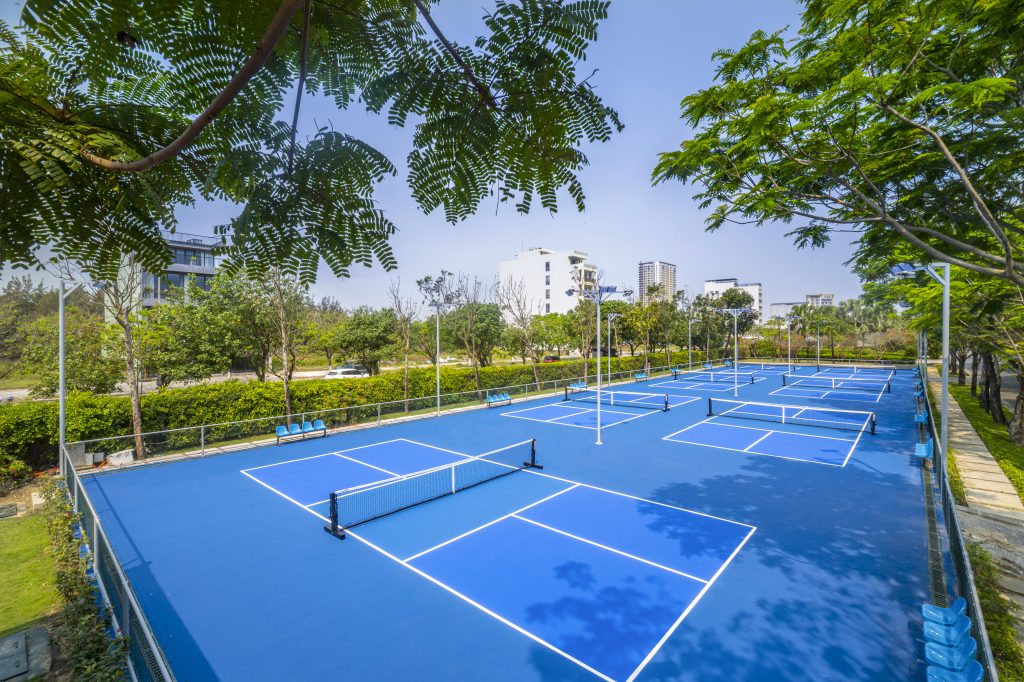
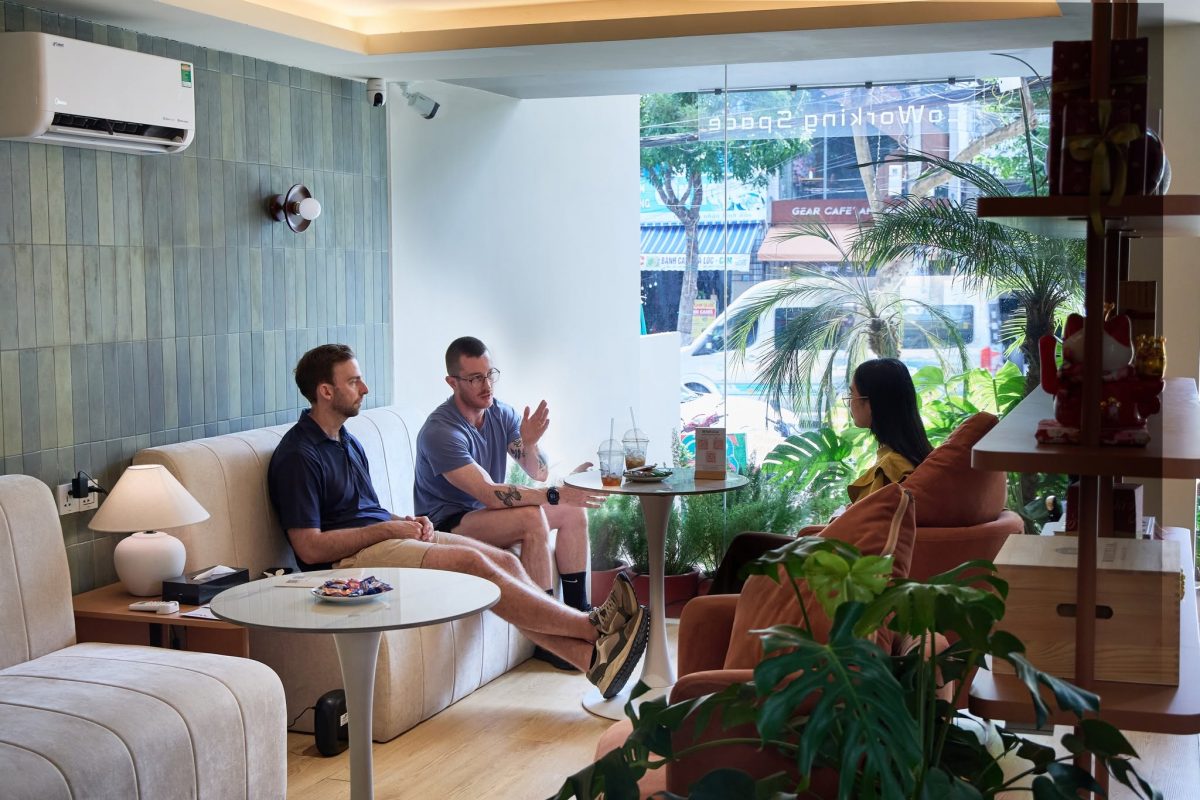
Want to play at your hotel? Our list of resorts with pickleball courts in Vietnam includes several in and around Da Nang. If you're staying a month, the Da Nang digital nomad guide covers neighbourhoods for longer stays.
When to visit Da Nang
February to August is the best time: dry, sunny and good for the beach. April to August is hot, often 35°C or more in the middle of the day, so plan your outdoor time for early and late.
September to December is the rainy season on the central coast, and October and November are the wettest months, with the risk of typhoons and floods in Hoi An. It's not a washout every day, but you need a flexible plan. That's where the museum, the markets and the indoor courts come in. Our Vietnam in November guide explains how to plan around it, and the month-by-month guide covers the whole country.
January is cooler and often grey, with light rain, and the sea is too rough for swimming. It's a pleasant time for sightseeing, and the courts are full.
Da Nang FAQ
How many days do you need in Da Nang?
Three days covers the main sights. Five or six lets you add a night in Hoi An and a day trip to My Son or the Hai Van Pass without rushing.
Is Da Nang worth visiting, or should I just stay in Hoi An?
It's worth it. Hoi An has the charm, but Da Nang has the better beach, the Marble Mountains, Son Tra, the nightlife on the river and many more pickleball courts. Many people stay in one and day trip to the other.
Is Ba Na Hills worth it?
For a fun, cool day out, yes, if you go on a weekday and early. If you prefer real culture and quiet places, spend the money and the day on My Son or the Hai Van Pass instead.
When is the Dragon Bridge fire show?
Saturday and Sunday nights at 9pm, plus major public holidays. It lasts about ten minutes: fire first, then water.
Is Hoi An part of Da Nang now?
Yes. Since 1 July 2025, Hoi An belongs to Da Nang city after the merger with Quang Nam province. It's still about 45 minutes away by car.
Can I swim at My Khe Beach all year?
The sea is best from April to September. From October to February the waves are big and rip currents are common, so only swim between the flags when lifeguards are there.
The bottom line

The best things to do in Da Nang are simple: swim at sunrise, climb into the caves of the Marble Mountains, look for monkeys on Son Tra, eat mi quang, and watch the dragon breathe fire on a Saturday night. Add Hoi An and My Son, play every morning, and you have one of the most relaxed and active weeks Vietnam can give you. When you're ready, we can plan it as a private trip around your dates and your game.
Find a game in Vietnam
Join Pickleball in Vietnam, our free Facebook group. Ask about courts, find a morning game and swap tips with players who live here.
Join the group