If you're thinking about retiring in Vietnam, don't sell the house yet. Come for 20 days first, live like someone who already lives here, and let the country show you where you belong. I'm Cuong. I spent more than ten years as a tour guide in Vietnam, and these days I live in Hai Phong, a port city in the north that most visitors drive straight past. Every year more people read that you can "live in Vietnam on US$1,000 a month", pack up their lives and move. Some of them love it. Quite a few go home within a year or two. The difference, almost every time, is whether they tested the life before they bought into the idea.
The short version
Is retiring in Vietnam a good idea? For many people, yes. It's affordable, the food is wonderful, private hospitals in the big cities are good, and there are expat communities in every major city. But there's no retirement visa, you can't own land, the south is hot all year, and loneliness is the problem nobody warns you about.
What it costs: roughly US$760 a month on a modest budget, about US$1,300 for a comfortable life and US$2,400 or more for an easy, generous one, plus health insurance that gets expensive after 60.
The best places to retire in Vietnam: Da Nang, Nha Trang, Da Lat, Ho Chi Minh City, Phu Quoc, Hue, Hai Phong and Ha Long. Each suits a different kind of person.
How to choose: spend 20 days moving from north to south, staying in neighbourhoods where Vietnamese people live, not just hotels.
Why so many people are looking at Vietnam for retirement
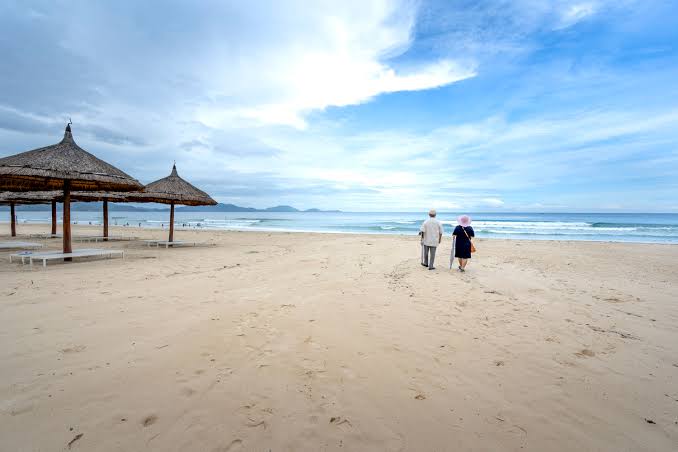
I understand the pull. I've watched it on the faces of my guests for years.
The cost of living. Most retirees can live well in Vietnam on US$1,000 to US$2,000 a month, even in Ho Chi Minh City. A furnished modern apartment in a big city starts at around US$400 to US$600 a month. A bowl of pho is still a couple of dollars. Your pension simply goes further here.
The food. Fresh herbs, soups, grilled fish and fruit you've never heard of. Many of my guests said they ate better in Vietnam than they do at home, and for less. Our guide to what to eat in Vietnam is a good place to start.
The climate. If you're tired of grey winters, the south is warm all year. If you want seasons, the north has them. If you want spring all year, there's Da Lat.
Healthcare in the big cities. Private hospitals in Ho Chi Minh City, Hanoi, Da Nang and several other cities have modern equipment and English-speaking doctors, and a visit costs a fraction of what you'd pay in the US.
Company. There are expat communities in every big city, with their own Facebook groups, coffee meetups and sports clubs. You won't be the only foreigner on your street for long.
The honest part: what nobody posts on Facebook
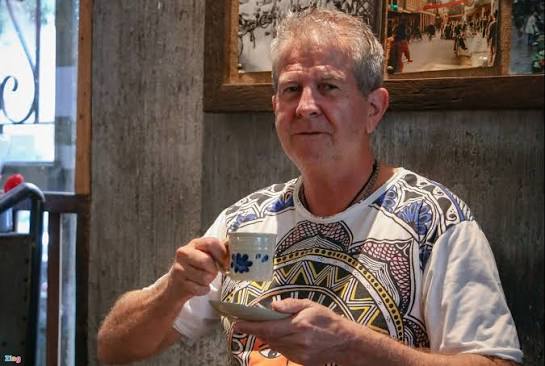
Social media shows the beach, the cheap beer and the US$3 massage. It rarely shows the second year. Here's what I'd want a friend to know before moving here.
The heat never takes a day off in the south
In Ho Chi Minh City and the south, the temperature at night rarely drops below 20°C. Many Westerners can't sleep without air conditioning, which means a higher power bill and a sealed room every night. Breakfast is often eaten in 30°C, and the middle of the day is for staying indoors. For some older people, especially those with heart or breathing problems, that's more than uncomfortable. If you love the cold, the south may wear you down.
You'll rent, not own
Foreigners can't own land in Vietnam. In some cases you can buy an apartment, with limits, but most retirees rent. If you've spent forty years in a house with a garden and a shed full of tools, think hard about how a two-bedroom apartment will feel.
Loneliness, and losing your purpose
This is the big one. People move for the lifestyle, then find themselves with no routine, no friends and no reason to get up. Some start drinking a little earlier in the day, then a lot earlier. If you can't speak Vietnamese and your hobbies don't fit in an apartment, the days can get very long. Plan what your week will look like before you move, not after.
Special diets are hard
Vietnamese food is fresh and healthy, but kitchens aren't used to allergies or special diets. If you're gluten-free, have a nut allergy or are a very fussy eater, eating out gets complicated. You'll need to cook more, and learn the right words in Vietnamese.
Your family is far away
You can plan to fly home for a wedding. You can't plan for a grandchild arriving early or a parent falling ill. Many of those moments become a video call from 10,000 kilometres away. Be honest with yourself about how that will feel.
Paperwork is slow
Visas, residence cards, bank accounts and address registration all take time and patience. Rules change, and two offices can tell you two different things. It works, but it's not the system you grew up with.
None of this means you shouldn't come. It means you should come and test it first. That's what the 20 days are for.
Visas: there is no retirement visa in Vietnam (yet)

As of October 2026, Vietnam has no retirement visa. You may have read about a "golden visa" of up to ten years. It has been discussed since 2025, but it's still a proposal. There's no law and no way to apply. Here's what retirees actually use.
For your 20-day scouting trip
- E-visa: open to every nationality, valid for up to 90 days. The government fee is US$25 for a single entry and US$50 for multiple entries. Apply only on the official site, evisa.gov.vn. Our Vietnam e-visa guide walks you through it.
- Visa-free entry for 45 days: citizens of the UK, Germany, France, Italy, Spain, the Netherlands, Switzerland, the Nordic countries, Japan, South Korea and a number of other European countries can stay up to 45 days without a visa. Americans, Canadians and Australians aren't on this list and need the e-visa.
- Phu Quoc: if you fly directly into Phu Quoc island, you can stay on the island for up to 30 days without a visa.
Twenty days fits comfortably inside any of these.
If you decide to stay longer
- The 90-day e-visa, again and again: many retirees live on a multiple-entry e-visa and leave the country every 90 days, often with a short trip to Thailand, Cambodia or Malaysia. It works, but it costs money and energy every three months.
- Temporary residence card through investment: if you put real capital into a Vietnamese company, you can get a residence card for several years. The amounts and rules are set by law and change, so talk to a lawyer.
- Temporary residence card through marriage: if you're married to a Vietnamese citizen, you can get a card for up to three years, and renew it.
- Five-year visa exemption certificate: for overseas Vietnamese (Viet Kieu) and their foreign spouses and children. Each entry allows a stay of up to 180 days. It's the most stable option if you qualify.
A word on tax
If you spend 183 days or more in Vietnam in a year, you generally become a tax resident, and your worldwide income, including your pension, may become taxable here. Many countries have tax treaties with Vietnam that change how this works. Americans are taxed by the US wherever they live. Talk to a tax adviser in your home country before you move.
Please don't take this section as legal advice. Visa rules in Vietnam change often. Check with the Immigration Department or a qualified lawyer before you make any decision.
What retiring in Vietnam really costs per month
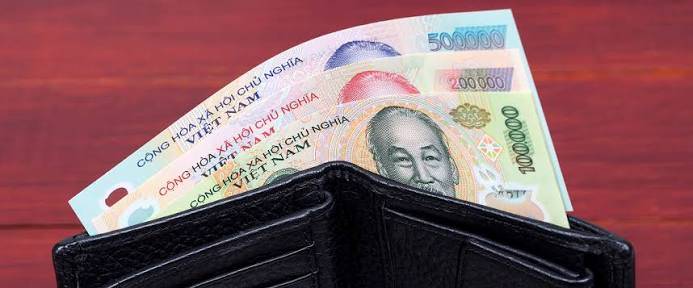
Here's a realistic monthly budget for one person in Ho Chi Minh City, worked out at 25,000 dong to the US dollar. Smaller cities like Hue and Hai Phong cost less. Phu Quoc and the nicer parts of Da Nang can cost about the same.
Modest: about US$760 a month
- Furnished apartment: US$350
- Food: US$200
- Health insurance: US$70
- Electricity, water and internet: US$40
- Going out and short trips: US$100
Comfortable: about US$1,300 a month
- Furnished apartment with a pool and gym: US$500
- Food: US$350
- Health insurance: US$130
- Electricity, water and internet: US$80
- Going out and travel: US$250
Generous: US$2,400 a month and up
- Larger apartment in a central area: US$850 or more
- Food and eating out often: US$700 or more
- Better health insurance: US$250 or more
- Utilities: US$120
- Travel and leisure: US$500 or more
The line that grows: health insurance
The cheap insurance figures above won't cover everything for someone over 60. A good international health plan for people in their sixties often costs somewhere between US$3,000 and US$8,000 a year, depending on your age and health, and pre-existing conditions are often excluded. It's easier and cheaper to buy cover before 65. Don't move without it.
Help at home is affordable
This is one thing that surprises people. In Ho Chi Minh City, a cleaner booked through an app costs around 70,000 to 90,000 dong an hour, about US$3. A part-time housekeeper who comes two or three times a week is around US$160 to US$240 a month. A live-in housekeeper and cook is about US$350 to US$500, and a live-in carer with nursing skills costs US$600 to US$1,000 or more. Always go through a proper agency, with a written contract.
For more on cash, cards and ATMs, read our guide to money in Vietnam.
Healthcare: where you'll be well looked after
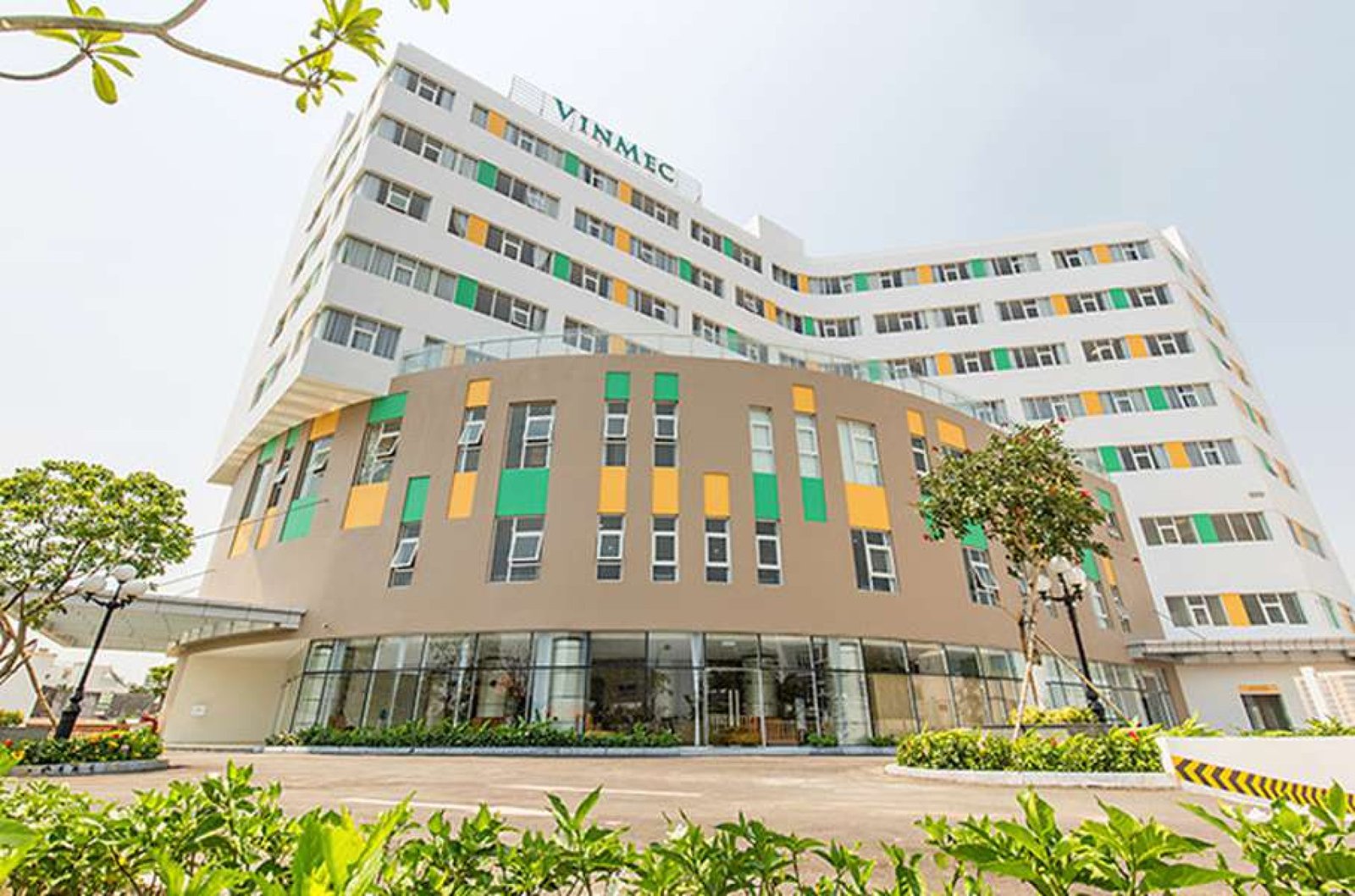
Healthcare is usually the first thing retirees ask me about, and the honest answer is that it depends on where you live.
In Ho Chi Minh City, a standard visit to a GP at a good private hospital costs roughly US$60 to US$110, before tests and medicine:
- FV Hospital (District 7): around US$80 to US$110. Known for English-speaking staff and emergency care.
- Vinmec Central Park (Binh Thanh): around US$60 to US$90. Modern and efficient.
- Family Medical Practice (Districts 1 and 2): around US$80 to US$100. Good for everyday care.
- Tam Anh General Hospital (Tan Binh): similar prices, strong in diagnostics and orthopaedics.
Hanoi has the same level of care. Outside the two biggest cities, the private Vinmec group also has hospitals in Da Nang, Nha Trang, Phu Quoc, Hai Phong and Ha Long, which matters a lot when you're choosing a base. In smaller towns, and on islands, options are more limited, and for anything serious you may need to travel or be flown to a big city.
My simple rule: wherever you settle, live within about 30 minutes of a good hospital. And always ask for an itemised VAT invoice after a visit. A handwritten receipt won't work for an insurance claim.
The 20-day scouting route: eight places to retire in Vietnam
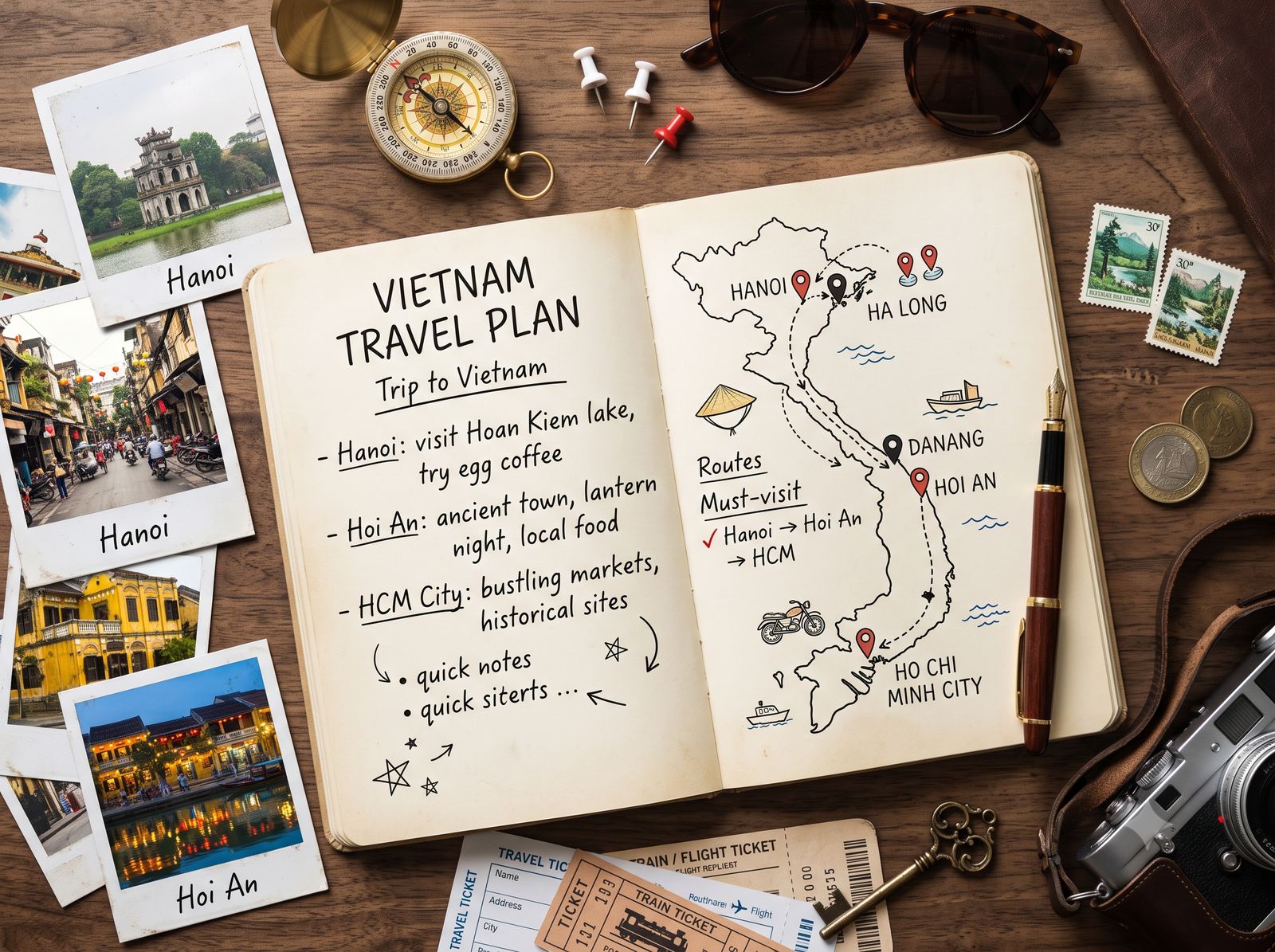
In another post I wrote that the biggest mistake you can make in Vietnam is trying to see the whole country in ten days. A retirement scouting trip is different. You're not sightseeing. You're asking one question in each place: could I live here? Twenty days gives you two or three nights in each city, which is enough to feel the answer.
Here's the route we'd suggest, from north to south:
- Days 1 to 5, the north: Hai Phong, then Ha Long
- Days 6 to 11, the centre: Da Nang, then Hue
- Days 12 to 20, the south: Da Lat, Nha Trang, Ho Chi Minh City and Phu Quoc
For each place, I'll tell you who it suits, what the weather is like, the hospitals, the cost, and where to play pickleball.
Hai Phong: real Vietnam, low cost, few foreigners
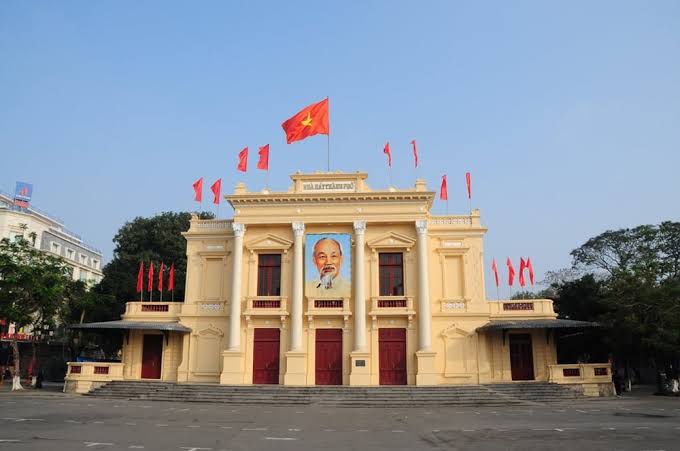
This is where I live, so I'll be honest about it. Hai Phong is a working port city about two hours from Hanoi, with wide streets, French buildings, red flamboyant trees and some of the best food in the north. Try the crab noodle soup, banh da cua. Very few Western tourists stay here, so life feels local and prices are lower than in Hanoi or Saigon.
- Who it suits: people who want everyday Vietnamese life, not an expat bubble, and who don't mind learning a few words of Vietnamese.
- Weather: four seasons. Hot, humid summers and a cool, damp winter from December to February, when you'll want a jacket.
- Hospitals: Vinmec Hai Phong, plus the big public hospitals.
- Cost: noticeably cheaper than Hanoi and Ho Chi Minh City.
- Nearby: Cat Ba Island and the quiet Lan Ha Bay are on your doorstep. See Ha Long Bay or Cat Ba.
- Pickleball: there are courts across the city, and the local scene is growing fast.
Ha Long (Quang Ninh): living next to the bay
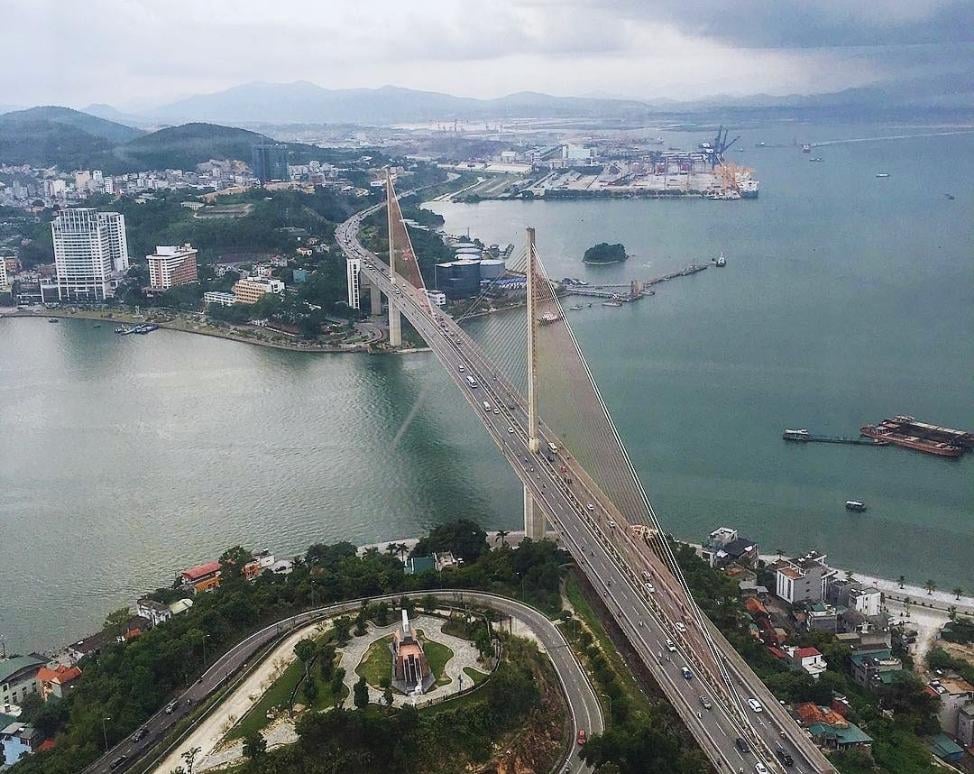
Most people only see Ha Long Bay from a cruise boat. But Ha Long is also a city, with seafront apartments, a long promenade and the islands right there every morning. It's about an hour from Hai Phong on the expressway.
- Who it suits: people who want sea views and calm, and who are happy in a smaller, quieter expat scene.
- Weather: like Hai Phong. Warm summers and a cool, misty winter.
- Hospitals: Vinmec Ha Long, which is a big reason it's on this list.
- Cost: lower than the big cities, with plenty of new apartments.
- Pickleball: yes, there are courts in Ha Long too.
Our Ha Long Bay cruise guide helps if you want one night on the water as well.
Da Nang: the easiest place to start
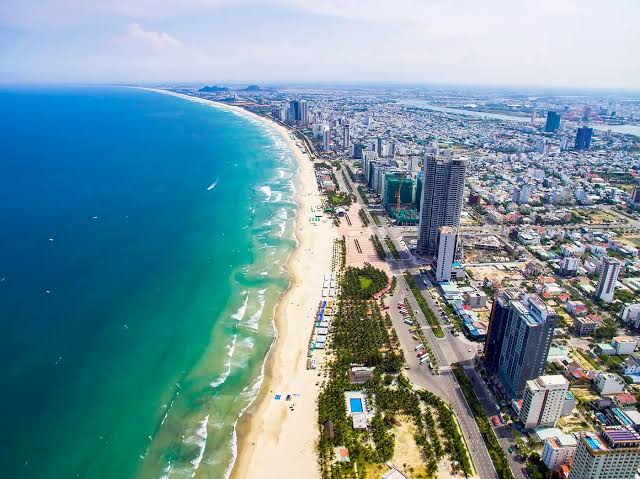
If someone asks me where to retire in Vietnam and gives me no other information, I usually say Da Nang. It's clean, it's well run, the beach is long and walkable, and Hoi An is 40 minutes away. The expat community is large, and so is the number of retirees.
- Who it suits: first-timers who want a beach, an easy life and other foreigners around.
- Weather: lovely from February to August. From September to December there's heavy rain and the risk of storms, with October and November the wettest.
- Hospitals: Vinmec Da Nang and several good private hospitals.
- Cost: moderate. Cheaper than Saigon, more than Hue.
- Pickleball: plenty of courts. See pickleball in Da Nang.
The Da Nang long-stay guide has more on neighbourhoods.
Hue: slow, cheap and full of history
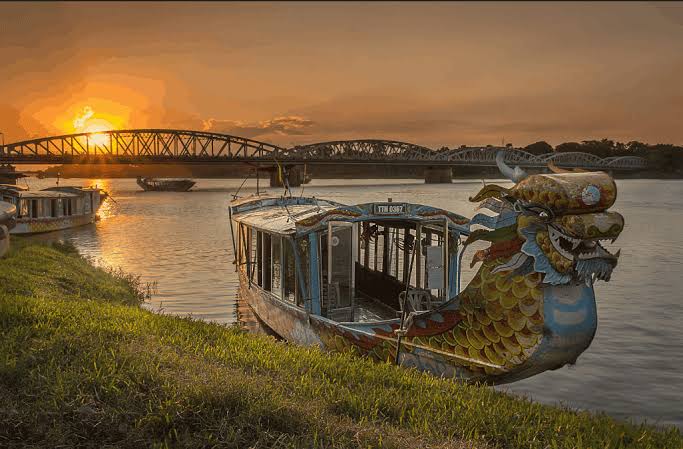
Hue was Vietnam's imperial capital, and it still feels like a place that doesn't need to hurry. Tree-lined streets, temples, royal tombs, and food that many older guests found gentler than the rest of the country. It's two to three hours by road or train from Da Nang.
- Who it suits: readers, walkers and history lovers who want a quiet, low-cost life.
- Weather: the wettest city on this list. From September to December it rains a lot, and floods aren't rare. Spring is beautiful.
- Hospitals: Hue Central Hospital, one of the biggest public hospitals in the country. For private international care, Da Nang is the nearest.
- Cost: one of the cheapest cities on this list.
- Pickleball: there are courts in Hue, and a friendly local crowd.
Read is Hue worth visiting for more on the city.
Da Lat: spring all year

Da Lat sits in the highlands at about 1,500 metres, among pine forests, flower farms and coffee hills. Days are usually somewhere between 18°C and 25°C, and you won't need air conditioning. For people who can't stand the heat, it's often the answer.
- Who it suits: people who love cool air, gardens and a slower pace.
- Weather: mild all year. The rainy season runs from about May to October, and nights can be cold.
- Hospitals: more limited than the coastal cities. There are good local hospitals, but for complex care you may need Ho Chi Minh City.
- Cost: low to moderate.
- Watch out for: hills. Da Lat is steep almost everywhere, which matters if your knees aren't what they were.
- Pickleball: yes, there are courts in Da Lat.
Our Da Lat guide covers the city in more detail.
Nha Trang: sun, sea and a ready-made community
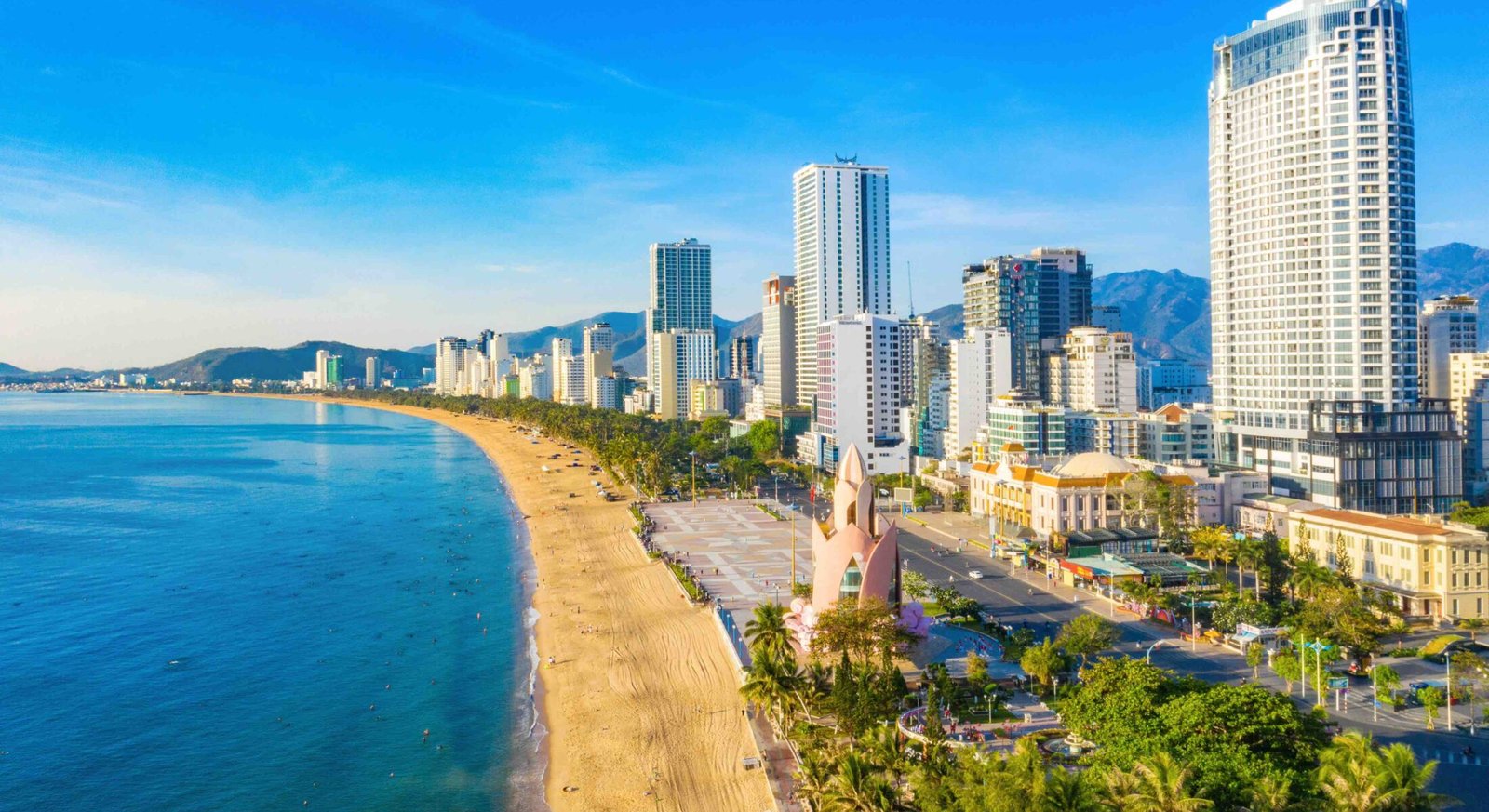
Nha Trang is one of the sunniest, driest places on the coast, with a long city beach, islands offshore, hot mineral springs and the old Cham towers of Ponagar. It has a large Russian community, so you'll see Russian on menus and shop signs.
- Who it suits: beach lovers who want sunshine most of the year.
- Weather: dry and sunny for much of the year. The rainy season is roughly October to December.
- Hospitals: Vinmec Nha Trang.
- Cost: moderate.
- Pickleball: yes, there are courts in the city.
Ho Chi Minh City: everything, all the time
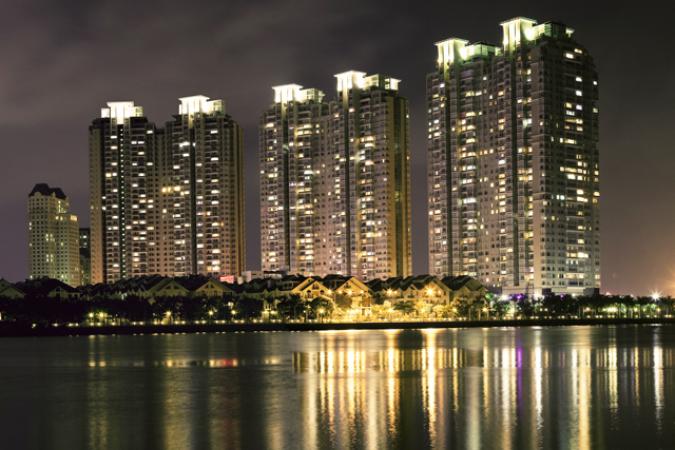
Saigon has the most of everything: the best hospitals, international supermarkets, every kind of food, and the biggest expat community in the country. It also has the most heat, noise and traffic. Many retirees live in quieter areas such as Thu Duc (the old District 2) or District 7, then go into the centre when they feel like it.
- Who it suits: people who want city life, top healthcare and lots to do.
- Weather: hot all year, between about 25°C and 35°C. Rainy season is May to November, usually as a short, heavy downpour in the afternoon.
- Hospitals: the best in the south. FV, Vinmec Central Park, Tam Anh and more.
- Cost: the highest on this list, though still far below most Western cities.
- Pickleball: hundreds of courts. See pickleball in Ho Chi Minh City.
For ideas on how to spend your days there, see things to do in Ho Chi Minh City.
Phu Quoc: island life, with a catch
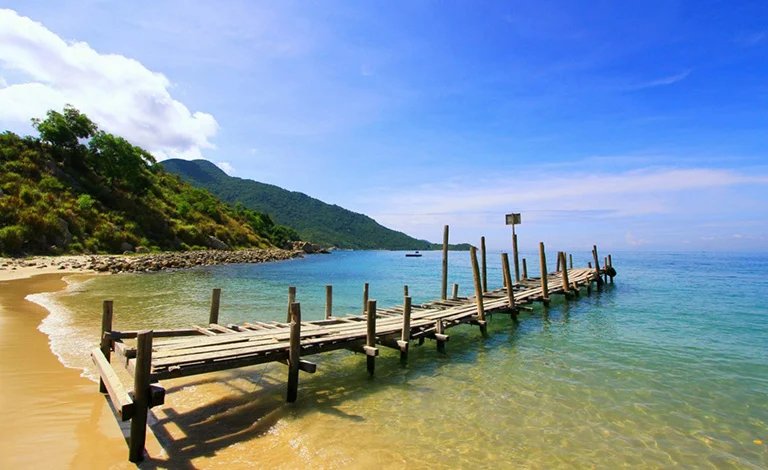
Phu Quoc is the island dream: calm water, long sunsets, fresh seafood and fishing villages like Ham Ninh. It's a good place to finish your scouting trip, and many people fall for it.
- Who it suits: healthy, active people who want beaches and quiet more than city life.
- Weather: dry and sunny from about November to April. From May to October there's more rain and rougher seas.
- Hospitals: Vinmec Phu Quoc. For anything serious, you'd be flown to Ho Chi Minh City, about an hour away. Make sure your insurance covers medical evacuation.
- Cost: similar to Da Nang, higher near the big resorts.
- Visa: 30 days visa-free if you fly straight in, but that only covers the island.
- Pickleball: several resorts on the island have courts.
Read things to do in Phu Quoc for the honest version of the island.
How to use the 20 days like a resident, not a tourist
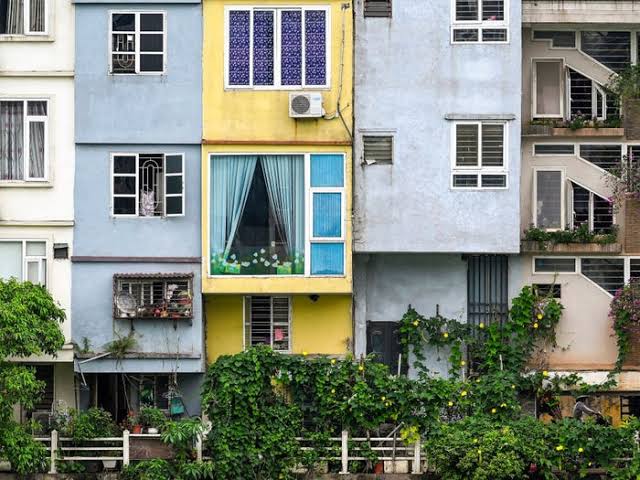
A hotel shows you the Vietnam that's built for visitors. To know if you could live somewhere, you need to see the Vietnam that's built for the people who live there. Here's how.
Stay where Vietnamese people live
Rent an apartment or stay in a homestay in a residential area, not just the tourist centre. Most city houses in Vietnam are tube houses: narrow at the front, deep at the back, and several floors high. In big cities, many families turn their spare rooms into homestay rooms. Staying in one is the closest you'll get to living like a local. You'll hear the morning market, the neighbours' radio and the motorbikes, and you'll find out quickly whether you love it or not.
Shop at the supermarket and the wet market
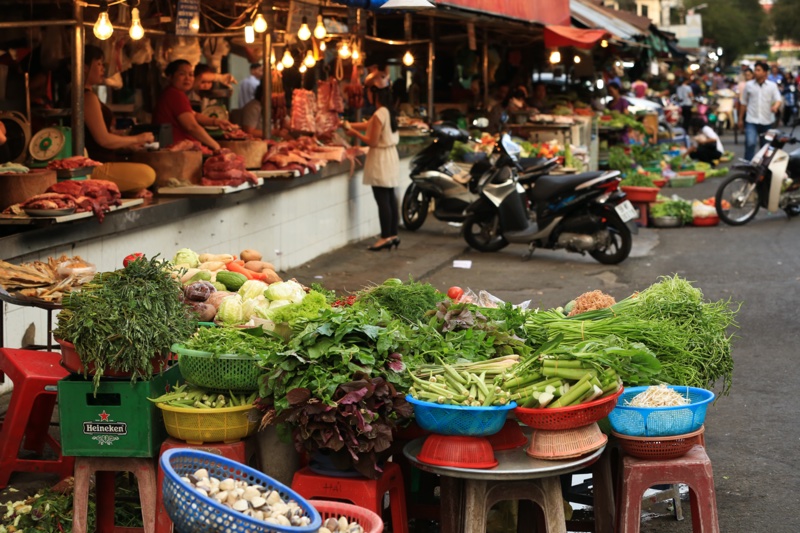
Do your own shopping. For supermarkets, you'll find WinMart and Bach Hoa Xanh on almost every corner, and for a bigger shop there's GO! (once Big C) and MM Mega Market. But the real heart of daily life is the wet market. Almost every district in every big city has one, and it's where Vietnamese families still buy their meat, fish, herbs and fruit every day. Go early, point, smile and pay what you're told. It's one of the best ways to feel how a place really works.
Visit the hospital near where you'd live
Go and look at both a public and a private hospital. You'll probably be surprised by how cheap and fast care is here. If you've seen the videos on social media of foreigners getting a full check-up in a morning, they're not exaggerating. In public hospitals, though, the staff are under a lot of pressure, and they can be short with you. In private hospitals, you'll find a calmer, more professional experience. Seeing both helps you decide what kind of insurance you need.
Go out in rush hour
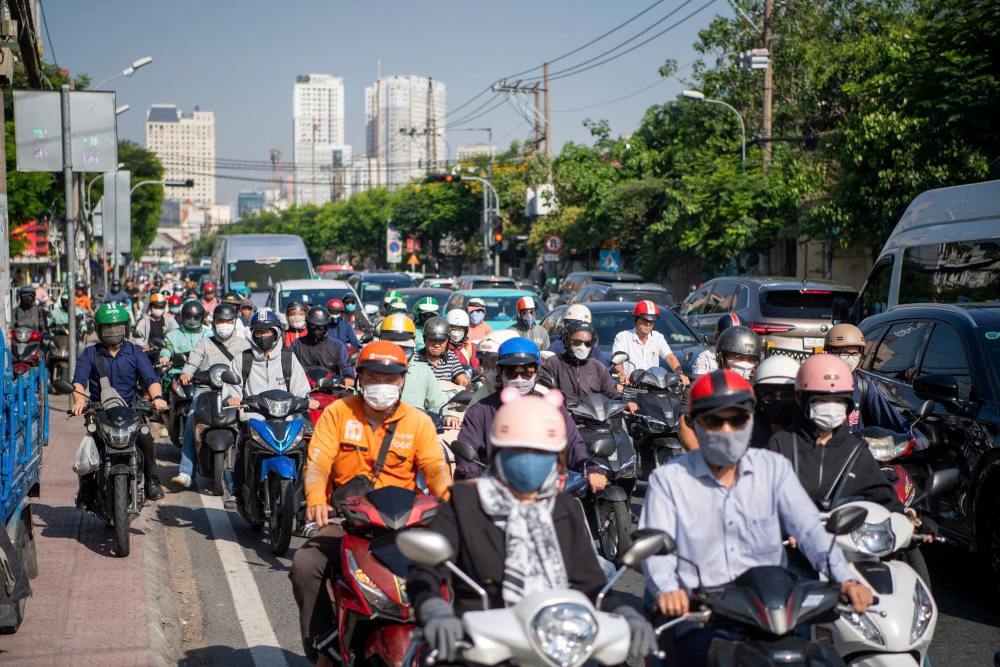
I'll be honest: this is the part you almost certainly won't like. Traffic at rush hour, roughly 7 to 8.30am and 5 to 7pm, is the biggest problem in Vietnam's big cities right now. Ride in a Grab at those times, and walk a few streets. If you can live with it, you can live anywhere here. If you can't, it might push you towards Hue, Da Lat or Ha Long.
Sit in cafés, and meet other expats
Vietnamese coffee culture is something I think you'll love. Coffee is good almost everywhere, because Vietnamese people drink a lot of it. The old-fashioned kind is thick, dark and strong enough to make you frown on the first sip. If that's too much, walk into any bigger café and order a machine coffee, just like the one you drink at home. Cafés are also where expats meet. Ask the people at the next table how long they've lived there, and what they'd do differently. Our post on Vietnamese coffee culture tells you what to order.
Play pickleball, or any sport, with local people

Remember the loneliness problem? This is the answer. The fastest way to make friends in Vietnam is to play something with Vietnamese people. Pickleball has exploded here in the last couple of years, and there are courts in every city on this route. But it doesn't have to be pickleball. Go to a gym, kick a football, play badminton, join a running club, or find a yoga or Pilates class. Anything that puts you in the same place, at the same time, every week, with the same people.
When you travel with us, we add pickleball drop-in sessions with local players to your trip, so you don't arrive in a new city knowing nobody. Our guide to playing pickleball in Vietnam explains how it works.
Find a game in Vietnam
Join Pickleball in Vietnam, our free Facebook group. Ask about courts, find a game and swap tips with players who live here.
Join the groupA simple checklist before you decide
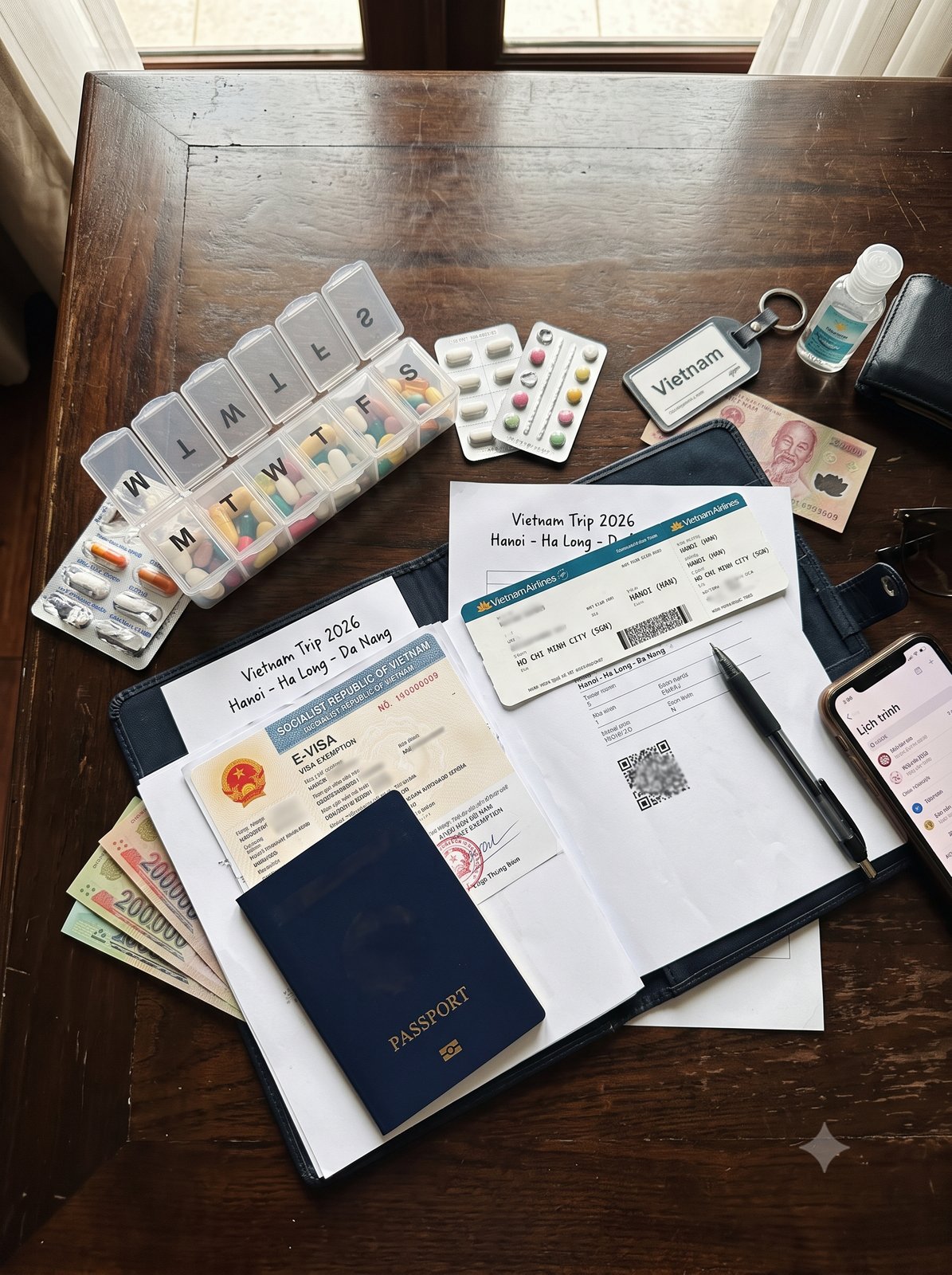
Before your scouting trip
- Check your visa route, and apply for the e-visa on the official site if you need one.
- Buy travel insurance that covers your age and any conditions you have.
- Pack enough medicine, with a list of the generic names, not just the brand names.
- Bring a short medical history, ideally translated.
- Download Grab, Zalo and Google Translate. Our SIM and eSIM guide explains how to get online.
During the 20 days
- Keep notes on each city: the feeling, the noise, the heat, the people you met.
- Find the nearest good hospital to each place you'd live.
- Look at three or four apartments in each city you like.
- Ask other foreigners what they wish they'd known.
If you decide to move
- Speak to a lawyer about your visa or residence card.
- Speak to a financial adviser about your pension, tax and moving money.
- Arrange long-term international health insurance before you're 65 if you can.
- Open a local bank account for rent and bills.
- Learn some Vietnamese. Even fifty words changes how people treat you.
If you're unsure how safe daily life is, read is Vietnam safe. And for travel tips aimed at older visitors, see Vietnam for seniors.
Retiring in Vietnam FAQ

Is there a retirement visa in Vietnam?
No. As of October 2026, Vietnam has no retirement visa, and the proposed golden visa isn't law yet. Most retirees use a 90-day multiple-entry e-visa, or a residence card through investment, marriage or Vietnamese family.
How much do I need per month to retire in Vietnam?
About US$760 a month on a modest budget, around US$1,300 for a comfortable life and US$2,400 or more for a generous one, based on Ho Chi Minh City. Add good international health insurance, which often costs US$3,000 to US$8,000 a year after 60.
Where is the best place to retire in Vietnam?
For most first-timers, Da Nang. For cool weather, Da Lat. For sun and sea, Nha Trang or Phu Quoc. For the best hospitals, Ho Chi Minh City. For a quiet, low-cost life, Hue, Hai Phong or Ha Long.
Can foreigners buy property in Vietnam?
Foreigners can't own land. In some cases they can buy an apartment, with limits on how many and for how long. Most retirees rent, which is cheaper and much easier.
Is healthcare in Vietnam good enough for retirees?
In the big cities, private hospitals are modern and affordable, with English-speaking doctors. In small towns and on islands, care is more limited. Live within about 30 minutes of a good hospital and carry international insurance with evacuation cover.
Is 20 days enough to decide where to retire in Vietnam?
It's enough to narrow it down to one or two cities. Before you move, come back and stay a month or two in the city you liked best, ideally in its hardest season.
The bottom line
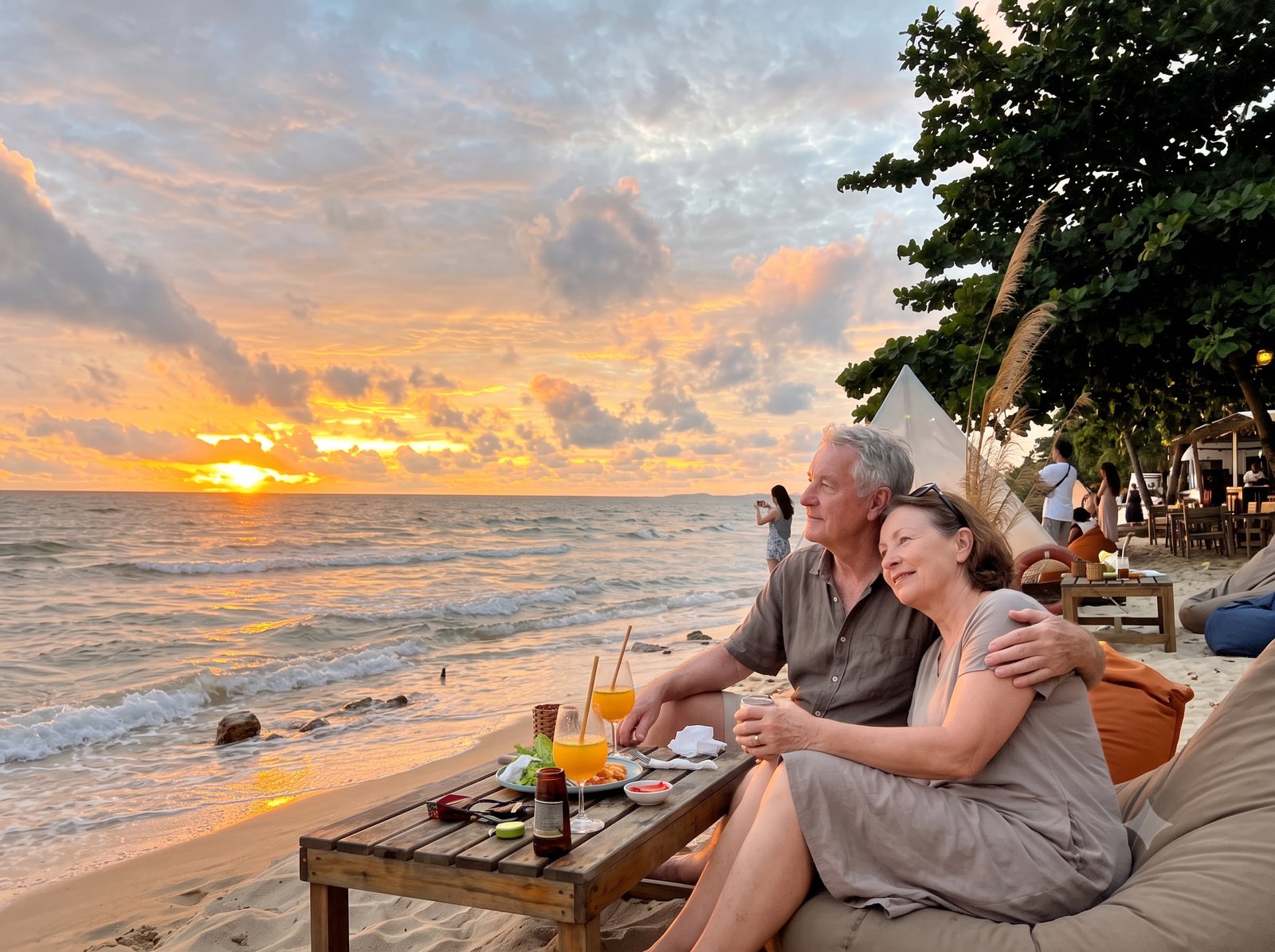
Retiring in Vietnam can be wonderful, but only in the right place, for the right person. Don't choose from a video. Come for 20 days, from the north to the south. Stay in real neighbourhoods, shop at the wet market, find the hospital, sit in the traffic and play a game with local people. By the last day, one city will feel like home. That's the one to go back to.
We'll plan a private 20-day trip around your dates, at your pace, with pickleball sessions in the cities you choose. Message us on WhatsApp or send us your details, and we'll come back with a real route. Welcome to Vietnam.