This is the list I'd give a friend before their first trip to Vietnam. I'm Cuong. I spent more than ten years as a tour guide here, from the mountains on the Chinese border to the rivers of the Mekong Delta. Below you'll find the best places to visit in Vietnam, the things to do once you're there, and the souvenirs that are worth carrying home. Each place gets a short guide and a link to our full post on it. Wherever I have a strong opinion, I've added a box called "Cuong's take".
The short version
Top places to go: Hanoi, Ha Long and Lan Ha Bay, Ninh Binh, Hoi An and Phong Nha. For a quiet escape, add Mai Chau and Pu Luong.
Top things to do: eat street food in Hanoi, drink coffee in every region, sleep on the bay, get clothes made in Hoi An, and play a game of pickleball with local players.
Top souvenirs to buy: Vietnamese coffee and a phin filter, a tailored outfit from Hoi An, a conical hat, a silk lantern and hand-woven textiles.
One piece of advice above all: talk to local people wherever you go. It's what you'll remember most.
Top places to go in Vietnam
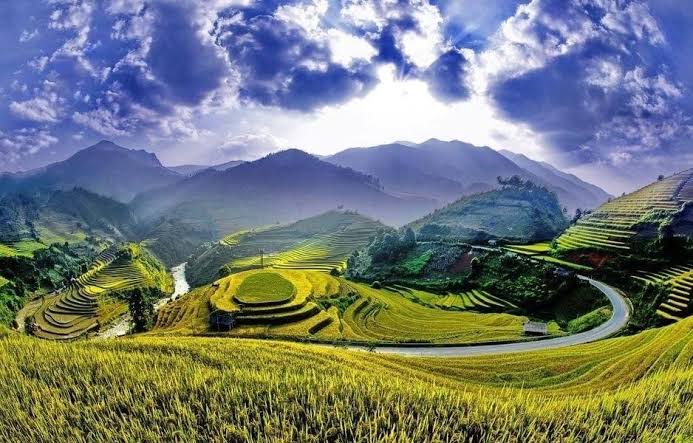
Vietnam is about 1,650 kilometres long, so you can't see it all in one trip, and you shouldn't try. I've listed the best places to visit in Vietnam from north to south. Pick one or two regions for a ten-day trip, or three for two weeks. If you'd like the reasons why, read about the biggest mistake you can make in Vietnam.
1. Hanoi
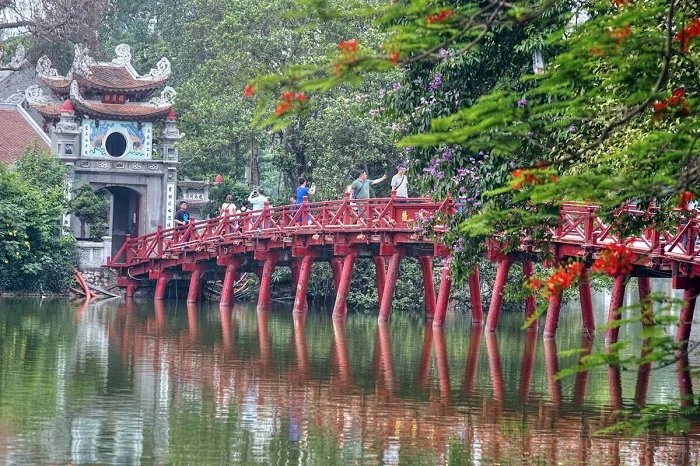
Most trips to the north start in the capital, and it deserves more than a night between flights. Walk the Old Quarter, where each street was once named after the goods sold there. Circle Hoan Kiem Lake in the early evening, when families come out. Then eat. Hanoi is one of the best food cities in Asia.
- How long: two or three days.
- Best time: October to December, and March to April. Winters are cool and grey, summers hot and stormy.
- Read more: our Hanoi Old Quarter guide.
2. Ha Long Bay and Lan Ha Bay
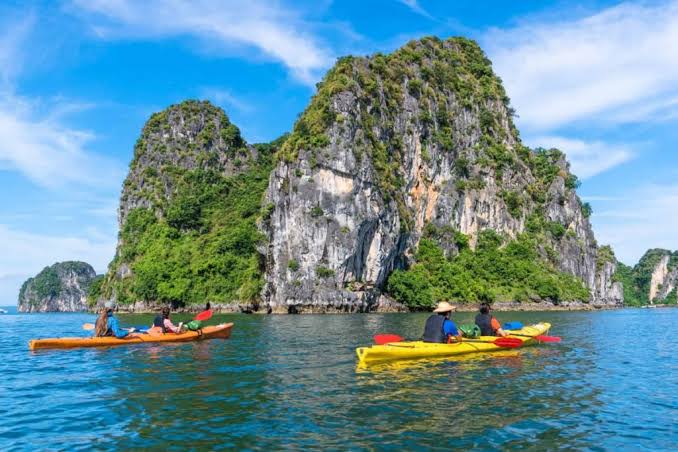
Nearly 2,000 limestone islands rising out of green water. It's the picture of Vietnam that most people carry in their heads. Ha Long Bay is the famous name, but it's also the busiest. Lan Ha Bay, next to Cat Ba Island, has the same scenery with far fewer boats.
- How long: one night on a boat shows you the bay. Two nights let you enjoy it.
- Best time: October to April for calm seas. Summer brings storms that can cancel cruises.
- Read more: our Ha Long Bay cruise guide and Ha Long Bay or Cat Ba.
3. Ninh Binh
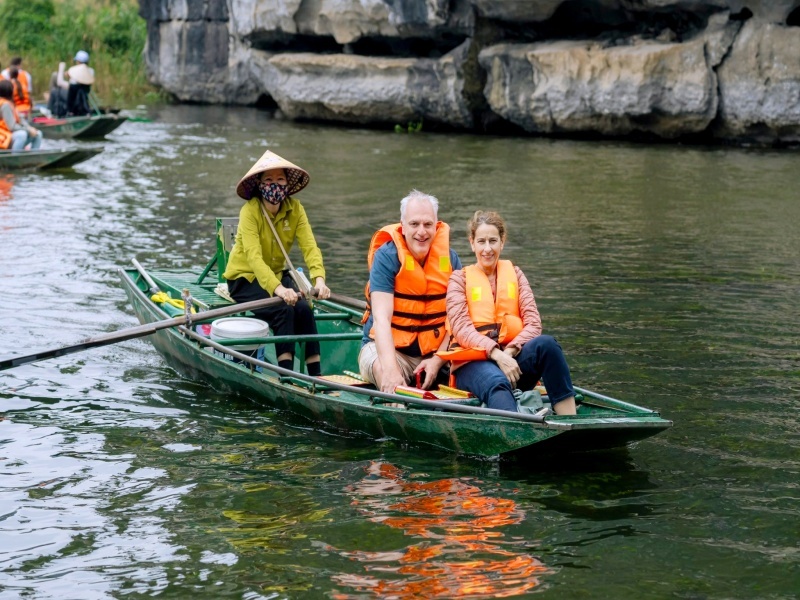
People call it "Ha Long Bay on land": limestone peaks standing in rice fields, with rivers running through caves underneath. At Trang An and Tam Coc, local rowers take you through the caves in small boats. It's about two hours from Hanoi.
- How long: a day trip works, but one night lets you see the fields at sunrise and sunset.
- Best time: late May to early June when the rice is golden, or September to November.
4. Sapa
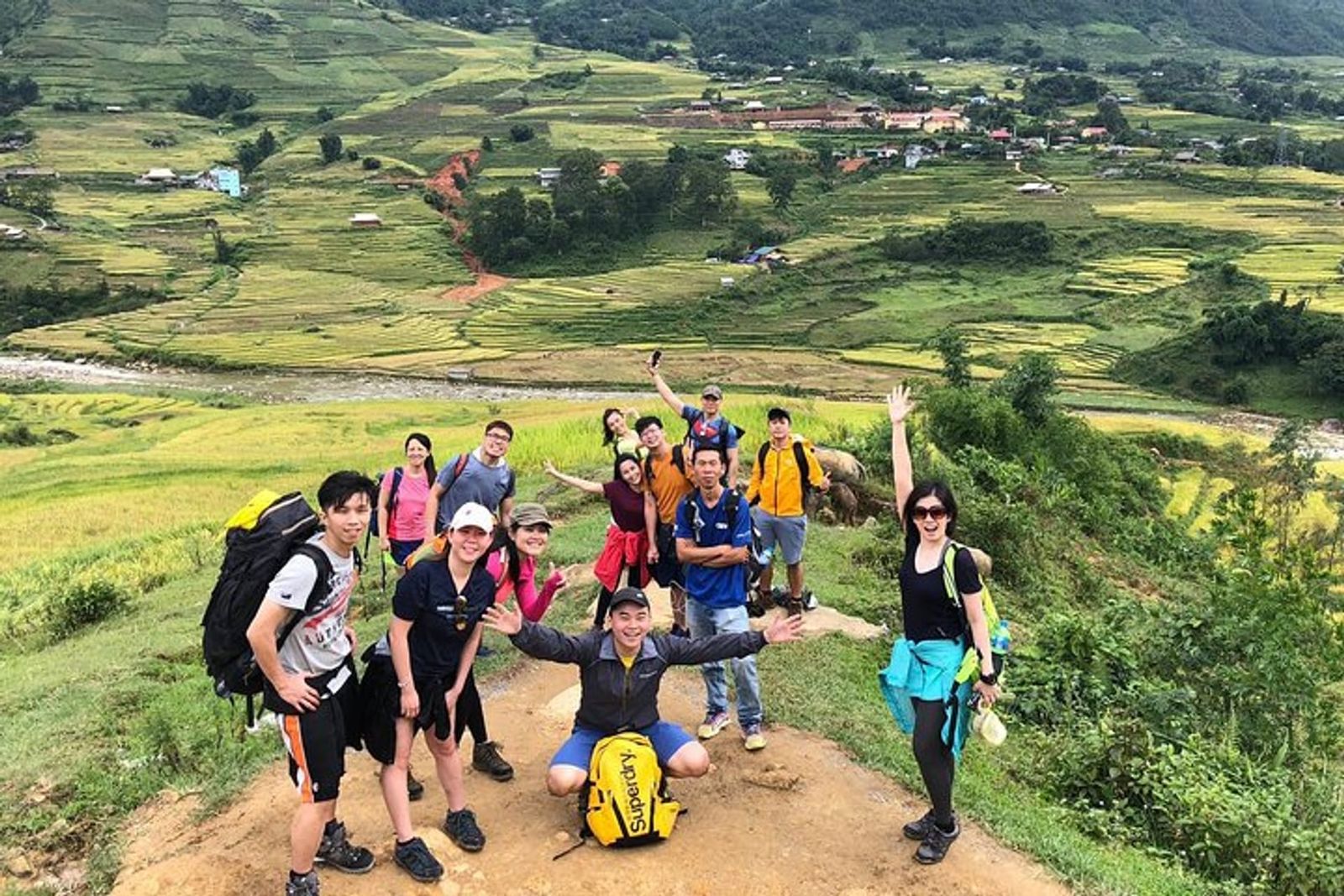
Rice terraces carved into mountainsides, villages of the Hmong and Red Dao people, and Fansipan, the highest peak in Indochina at 3,143 metres, with a cable car to the top. Sapa is about five or six hours from Hanoi by road.
- How long: two or three nights.
- Best time: September and early October for golden rice, and March to May for clear skies. December to February can be cold and foggy, so pack warm clothes.
- Read more: things to do in Sapa.
5. Ha Giang
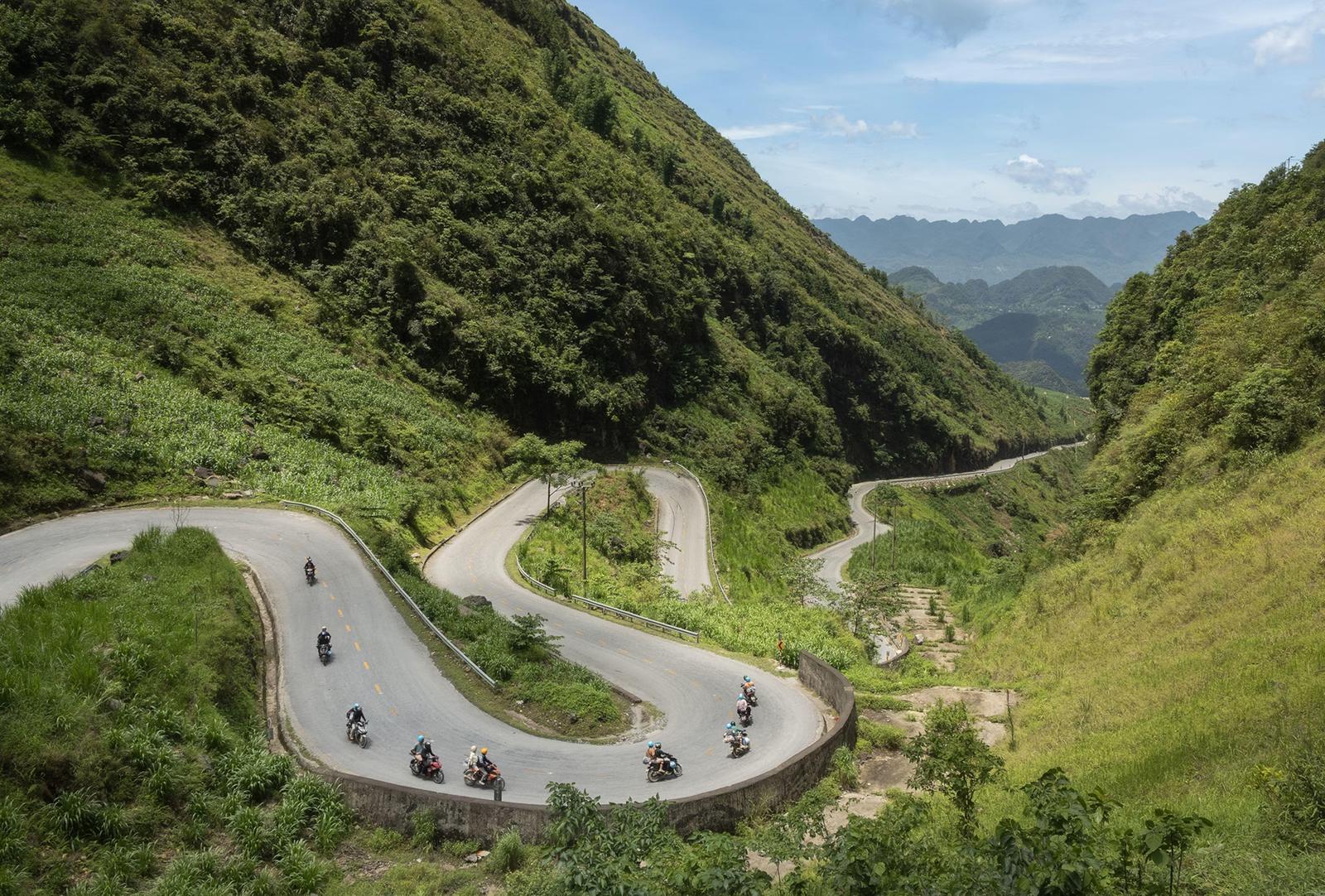
The far north, right up against China, is the wildest landscape in Vietnam. The Ha Giang Loop climbs over high passes, and Ma Pi Leng Pass, above the Nho Que River, is the one people come for. Most travellers ride it on the back of a motorbike.
- How long: three or four days for the loop.
- Best time: October and November, when the buckwheat flowers bloom, and March to May.
- Safety: ride as a passenger with a local driver. Don't ride yourself unless you have a valid licence and lots of mountain experience. Your travel insurance probably won't cover you if you don't.
- Read more: Ha Long Bay vs the Ha Giang Loop.
6. Mai Chau and Pu Luong
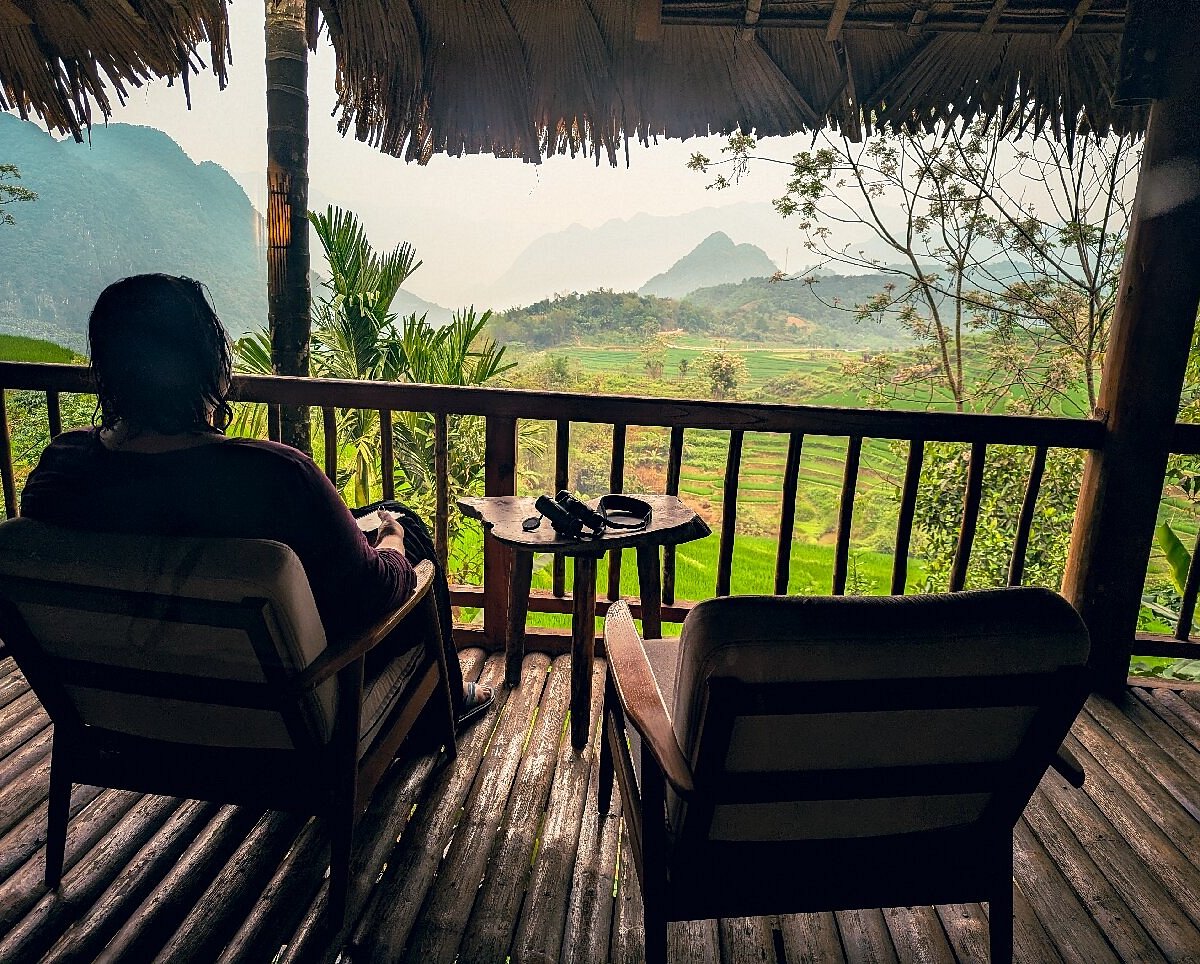
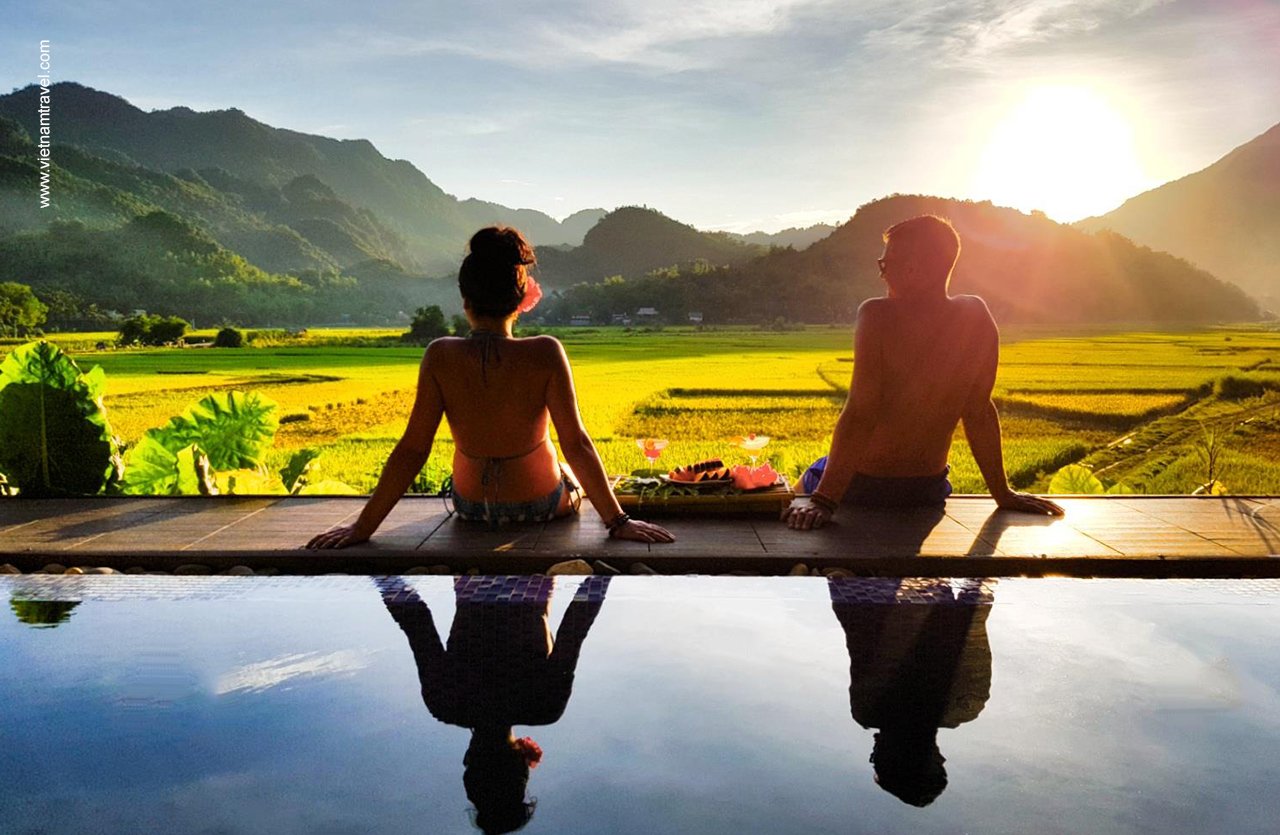
This is the north's newer hidden gem. Mai Chau is a valley of rice fields and Thai stilt houses about three and a half hours from Hanoi. A little further on, Pu Luong Nature Reserve has terraced fields, bamboo water wheels and quiet eco-lodges built into the hills. It's one of the best places in Vietnam to do almost nothing, in the best way.
- How long: two nights.
- Best time: late May to June and September to October, when the rice is ready to harvest.
7. Phong Nha
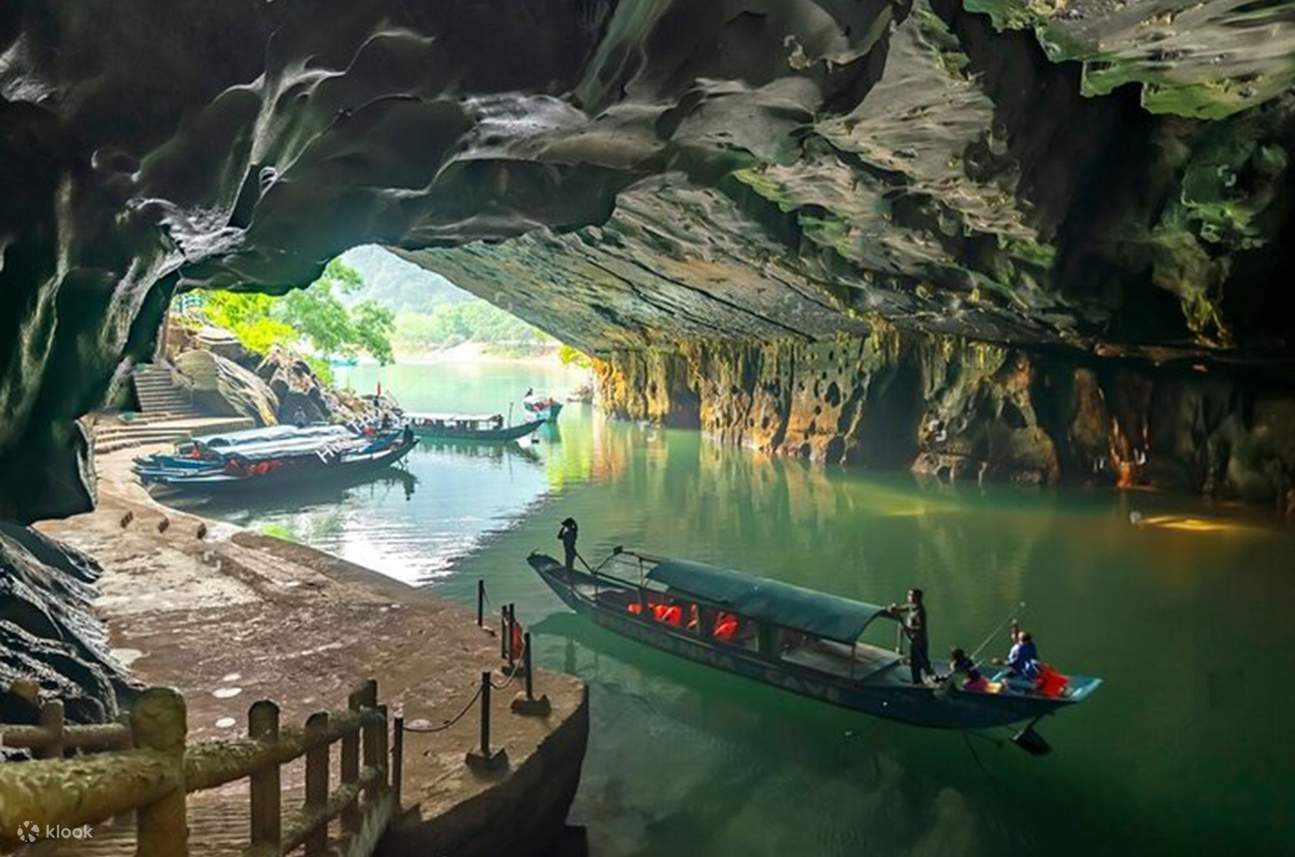
Phong Nha-Ke Bang National Park is home to some of the biggest caves on Earth, set in jungle-covered limestone mountains. You can walk, swim, kayak and zipline your way through them. I explain which caves to choose in Part 2.
- How long: at least two nights. It's a long way to come for one.
- Best time: February to August. Avoid the flood season, from September to October and into early November, when heavy rain can close the caves and the roads.
8. Hue

Vietnam's imperial capital from 1802 to 1945. The walled Imperial City, the royal tombs along the Perfume River and some of the most refined food in the country. It's a slower, quieter city than Hoi An.
- How long: two days.
- Best time: February to April. September to December is the wettest season.
- Read more: is Hue worth visiting.
9. Hoi An
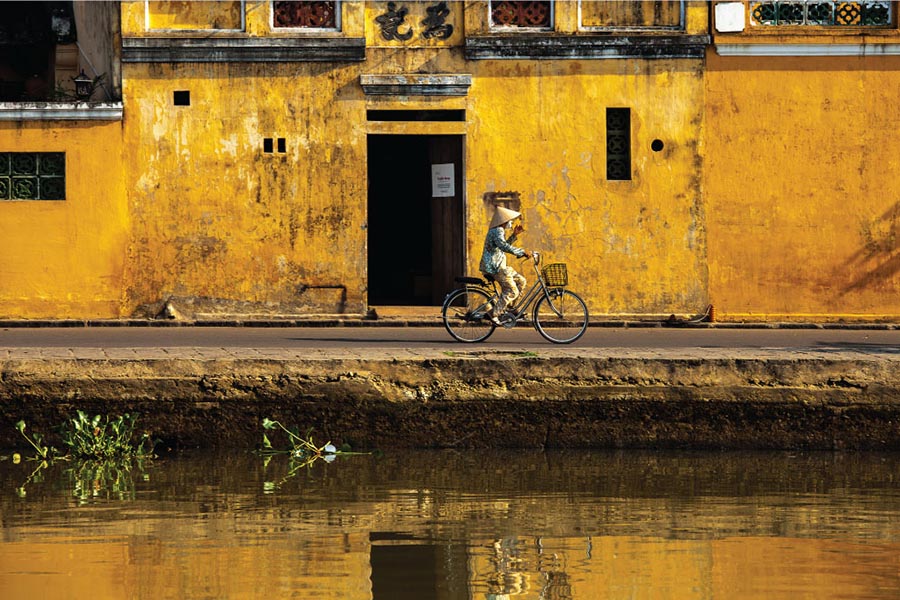
A trading port from the 15th to the 19th century, Hoi An still has its yellow merchant houses, Japanese bridge and riverside lanterns. It's busy, but it's busy for a reason. Stay a few nights so you can see it early in the morning and late at night, when the day-trippers have gone.
- How long: three or four nights.
- Best time: February to April. October and November bring heavy rain and sometimes floods.
- Read more: things to do in Hoi An.
10. Da Nang
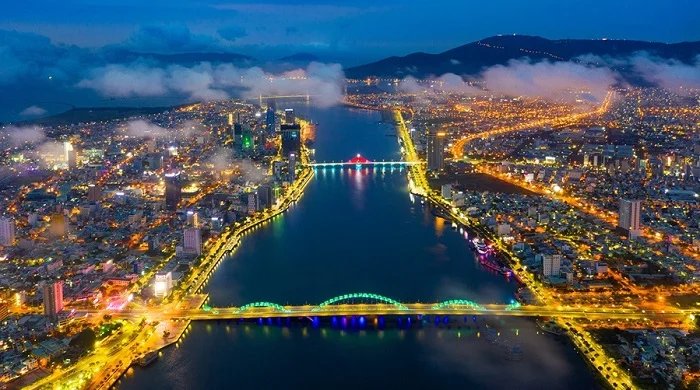
A clean, modern city with a long beach, 40 minutes from Hoi An. From here you can ride up to Ba Na Hills and the Golden Bridge, or drive the Hai Van Pass, one of the most beautiful coast roads in Vietnam.
- How long: two or three days.
- Best time: February to August.
- Read more: things to do in Da Nang and Ba Na Hills and the Golden Bridge.
11. Da Lat
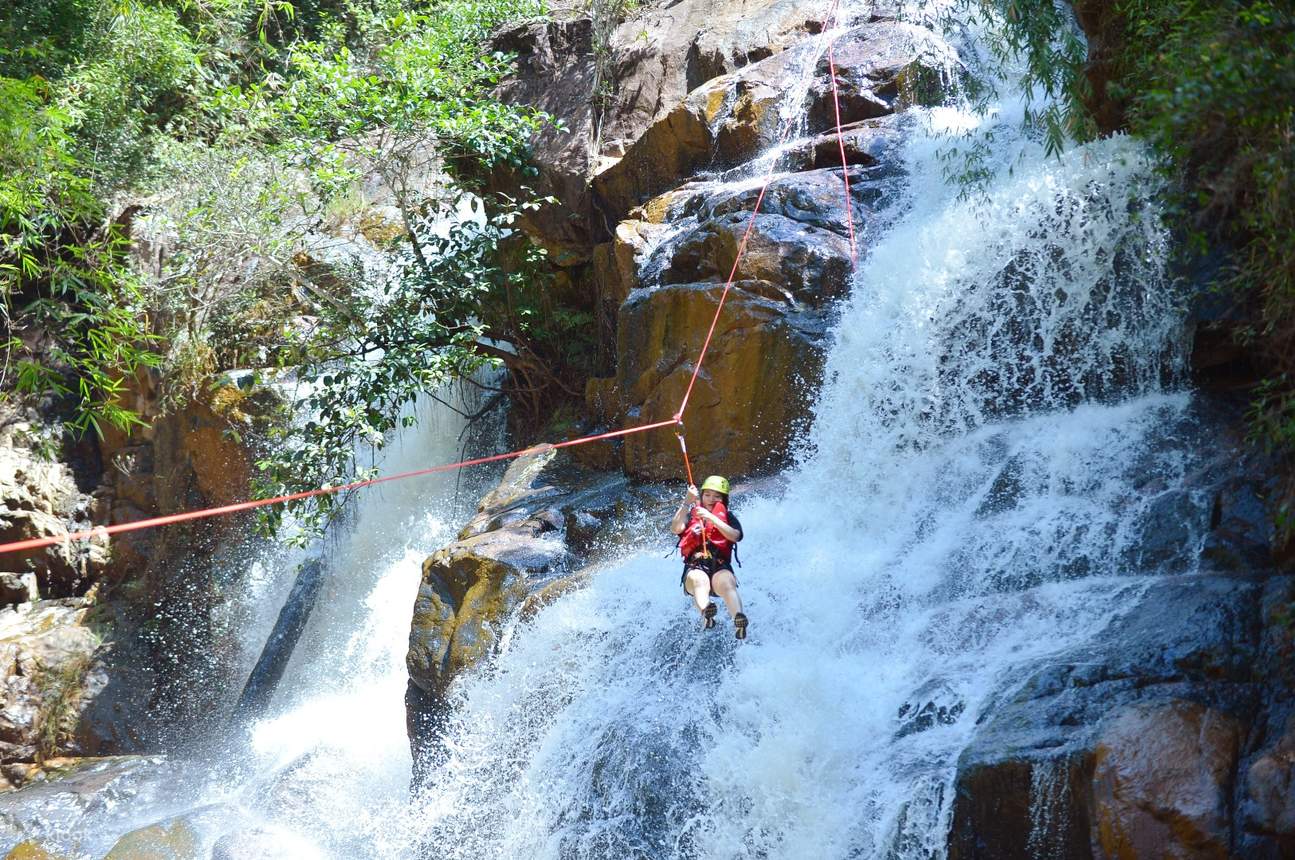
Up in the Central Highlands at about 1,500 metres, Da Lat is cool all year, with pine forests, flower farms and coffee hills. It's also Vietnam's base for adventure sports: canyoning, mountain biking, hiking and climbing.
- How long: two or three days.
- Best time: November to April, the dry season.
- Read more: our Da Lat guide.
12. Nha Trang
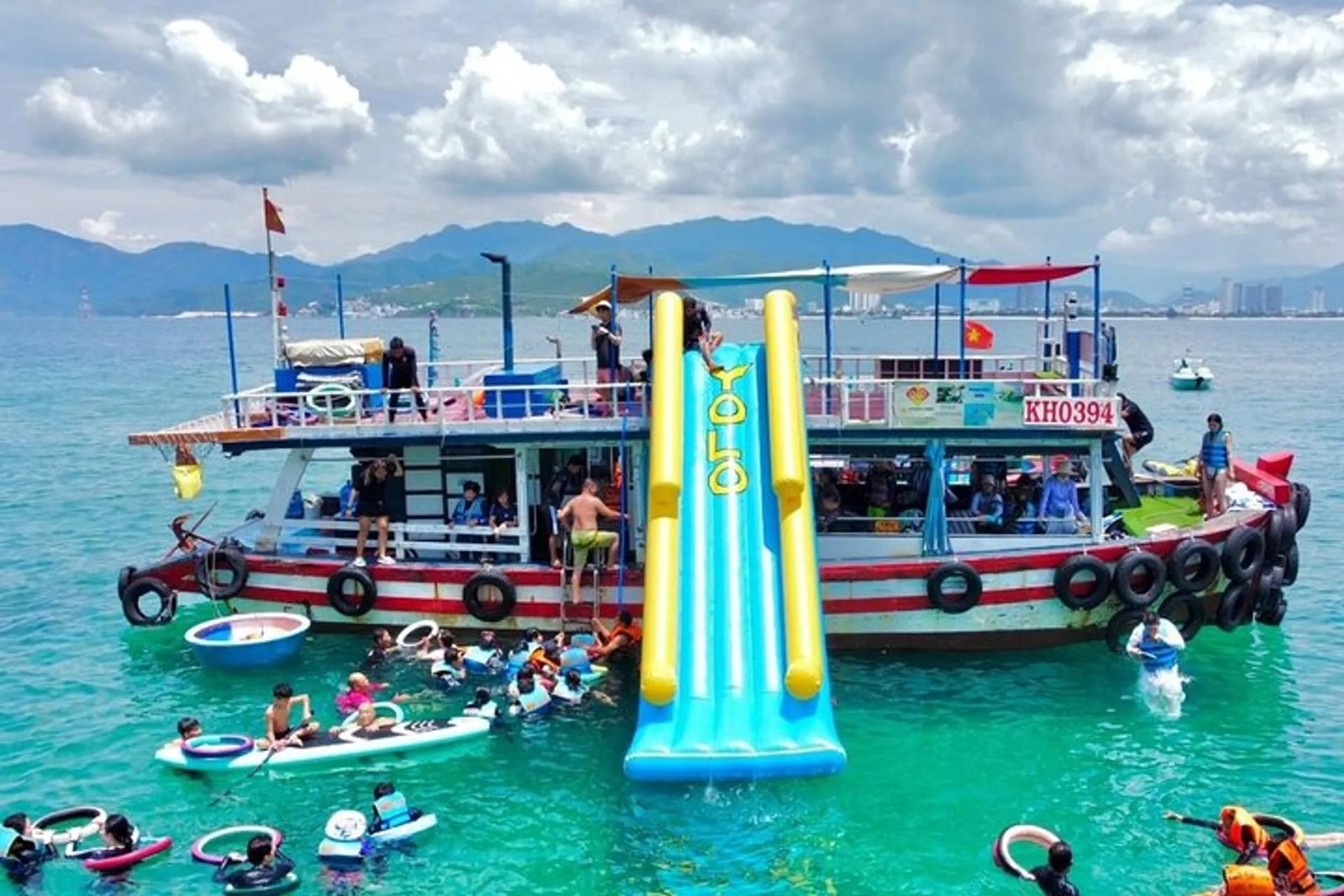
One of the sunniest places on the coast, with a long city beach, islands to visit by boat, mud baths and the old Cham towers of Po Nagar.
- How long: two or three days.
- Best time: January to August. October to December is the rainy season.
13. Ho Chi Minh City
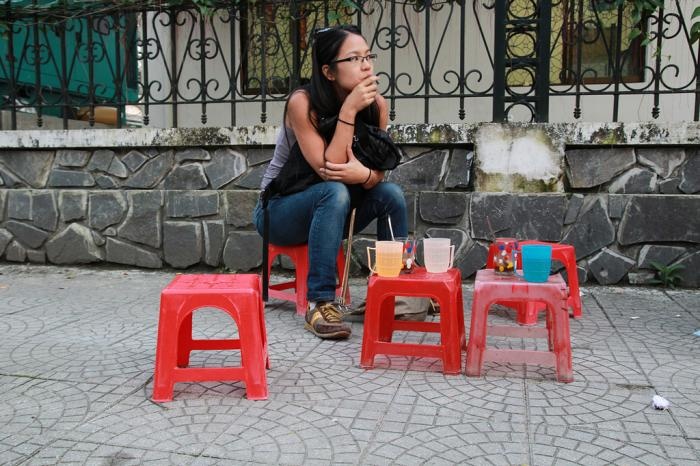
Saigon is loud, fast and full of energy. Get off the main roads and into the alleys, the hem, where the best cafés and cheapest food are. The Cu Chi Tunnels are a day trip away.
- How long: two or three days.
- Best time: December to April, the dry season.
- Read more: things to do in Ho Chi Minh City.
14. The Mekong Delta
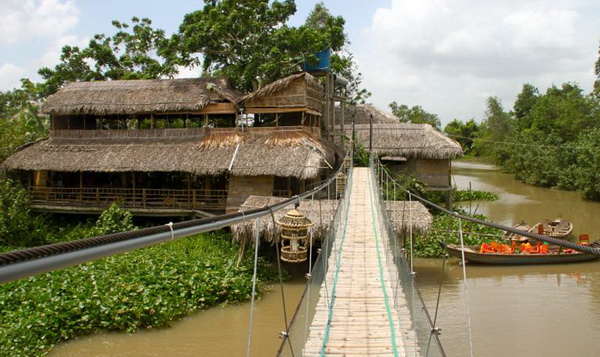
A maze of rivers, canals, fruit orchards and floating markets. Most people see it on a rushed day trip from Saigon. If you can, stay a night or two in a homestay. That's when the delta shows you its real life.
- How long: one or two nights.
- Best time: December to April.
- Read more: the Mekong Delta from Saigon.
15. Phu Quoc
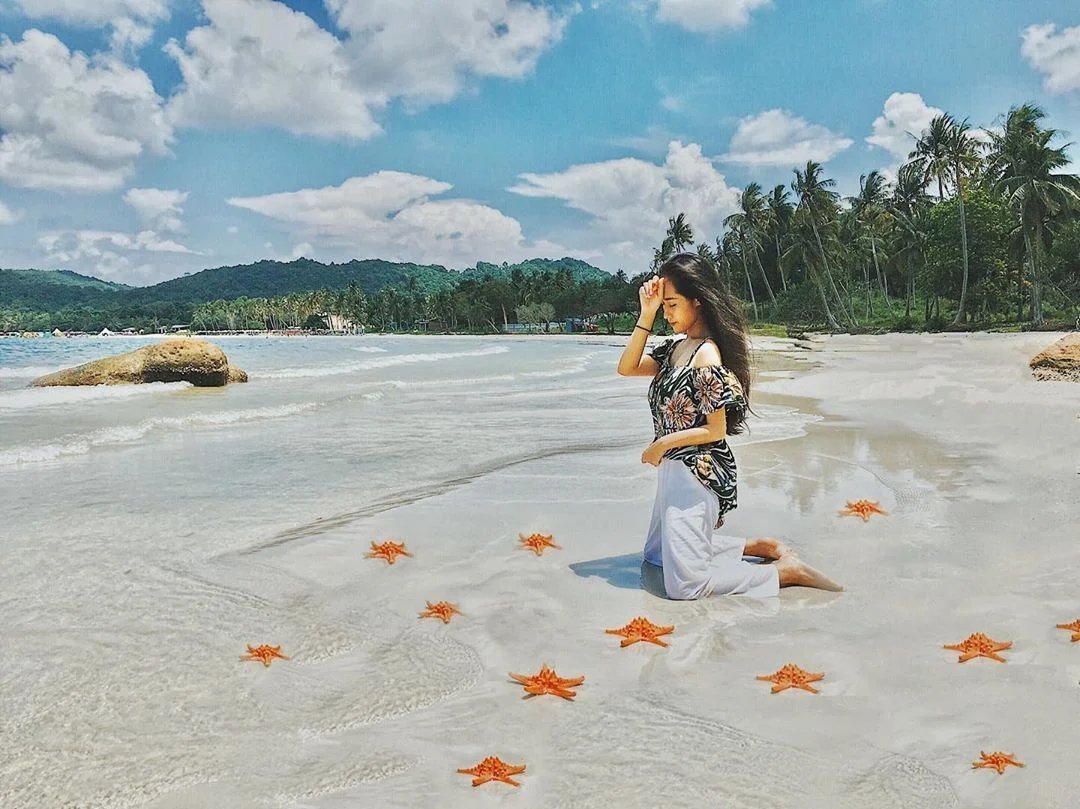
Vietnam's island for beaches, seafood and long sunsets. It's the place to end your trip and do nothing at all for a few days.
- How long: three or four nights.
- Best time: November to April.
- Read more: things to do in Phu Quoc.
Top things to do in Vietnam
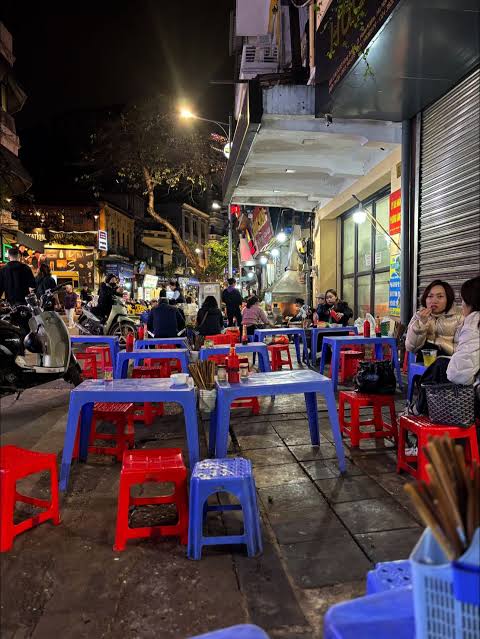
Places are only half of it. These are the experiences I'd put on any Vietnam bucket list.
1. Eat street food in Hanoi
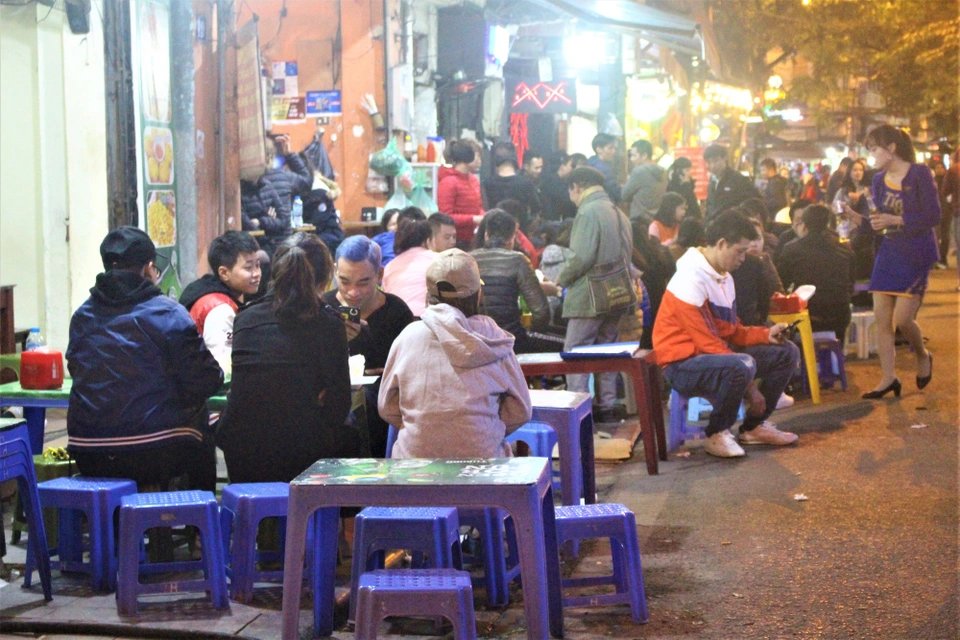
Start with a bowl of pho for breakfast and bun cha, grilled pork with noodles, for lunch. If you visit in winter, from December to February, do what Hanoians do and share a hotpot, called lau, for dinner. A pot of broth bubbles in the middle of the table, everyone cooks their own meat and vegetables, and the evening goes on for hours. Our guide to what to eat in Vietnam has the full list.
2. Drink coffee like a local
Vietnamese people drink a lot of coffee, and every region has its own style. Try a slow-drip phin coffee with condensed milk, salt coffee in Hue, coconut coffee by the beach, and egg coffee in Hanoi, which tastes more like a dessert than a drink. Read about Vietnamese coffee culture before you go.

3. Sleep on the bay and kayak in Lan Ha
Spend the night on a boat among the limestone islands. In the morning, take a kayak out through the lagoons and caves of Lan Ha Bay, when the water is flat and the light is soft.
4. Take a boat at Tam Coc and climb Hang Mua
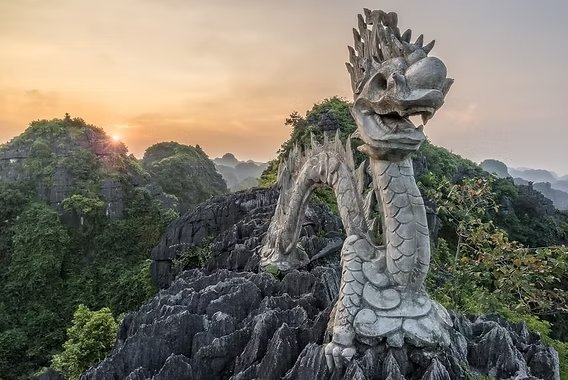
Float through the rice fields and caves of Tam Coc, then climb the stone stairs at Hang Mua, about 500 steps, to the stone dragon at the top. From there you'll see the whole valley: the river, the fields and the limestone peaks.
5. Trek and stay with a family in Sapa, then play pickleball in the clouds
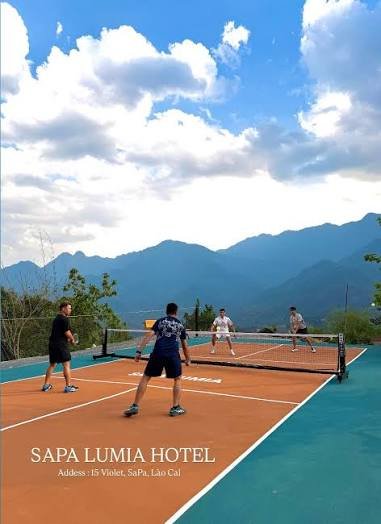
Walk from village to village through the rice terraces, and spend a night in a homestay with a Hmong or Red Dao family. Then do something few travellers ever do: play pickleball high in the mountains, at around 1,600 metres above sea level, with cool air and valley views.
6. Ride the Ha Giang Loop with a local driver
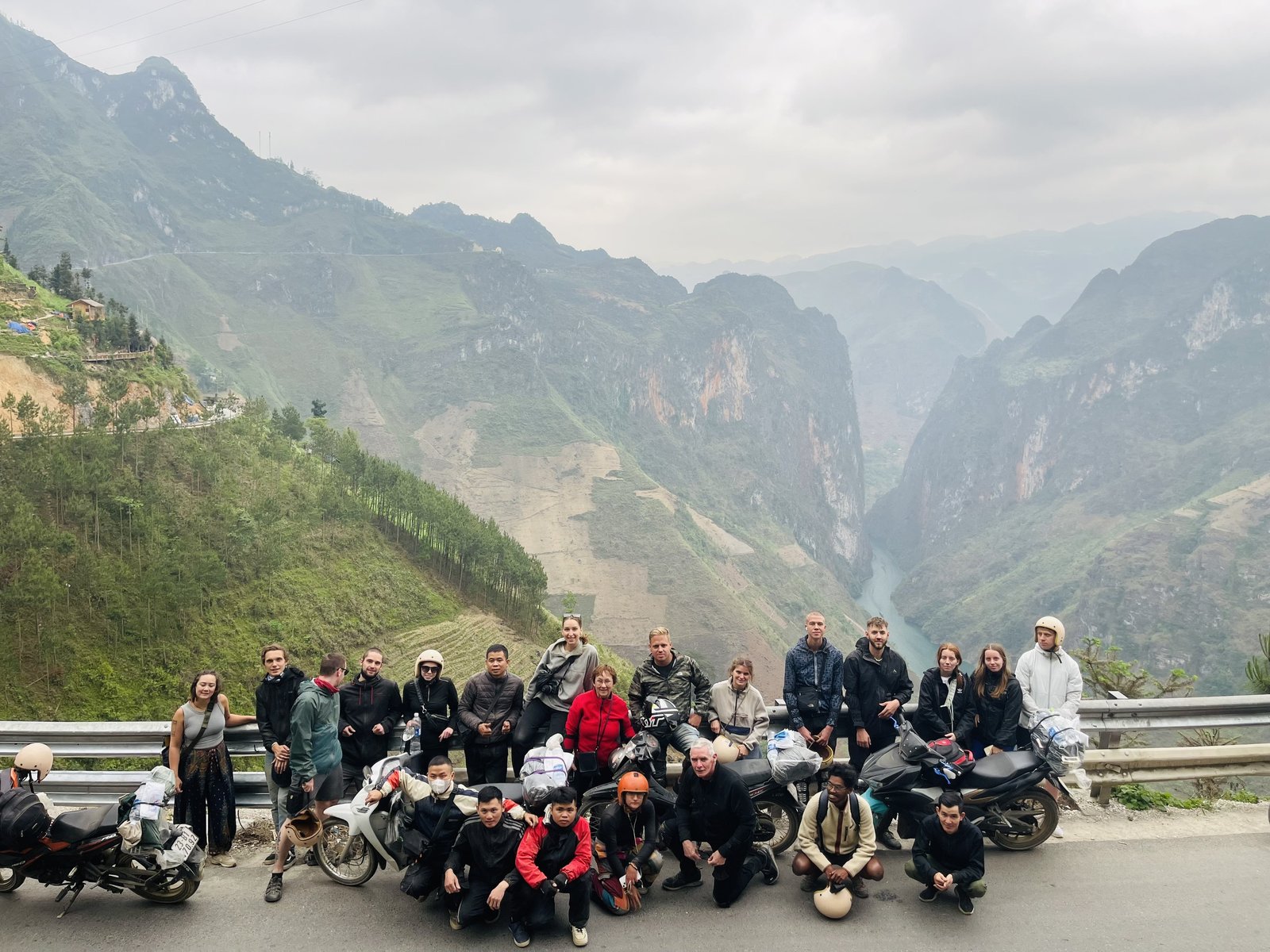
Sit on the back of a motorbike while an experienced local driver handles the hairpins. You get the views, the photos and the conversations at every stop, and none of the risk of riding mountain roads you don't know.
7. Take the night train, or the heritage train over the Hai Van Pass
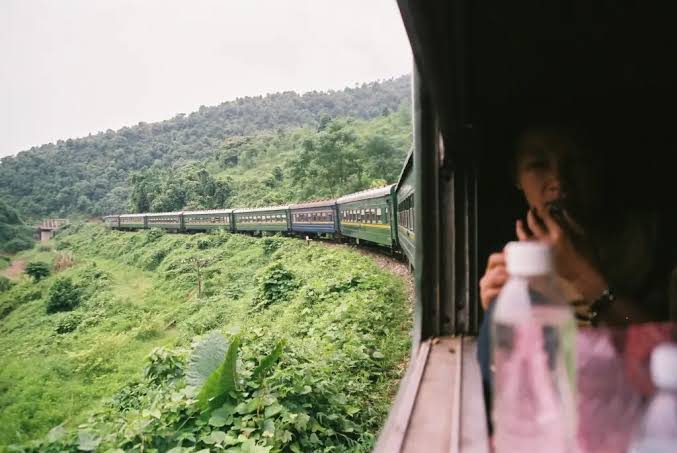
The overnight sleeper train from Hanoi to Hue is an adventure in itself. Between Hue and Da Nang, the heritage train runs along the coast and over the Hai Van Pass, with big windows facing the sea. Our Hanoi to Hue train guide explains how it works.
8. See the lanterns in Hoi An, and get some clothes made
At night, the lanterns come on along the Thu Bon River and the Old Town glows. On the 14th day of every lunar month, the full moon festival lights up the river even more.
During the day, visit a tailor. Hoi An's tailors are some of the best in the world at suits and dresses, and they work fast, often in a day or two, at a price that will surprise you.
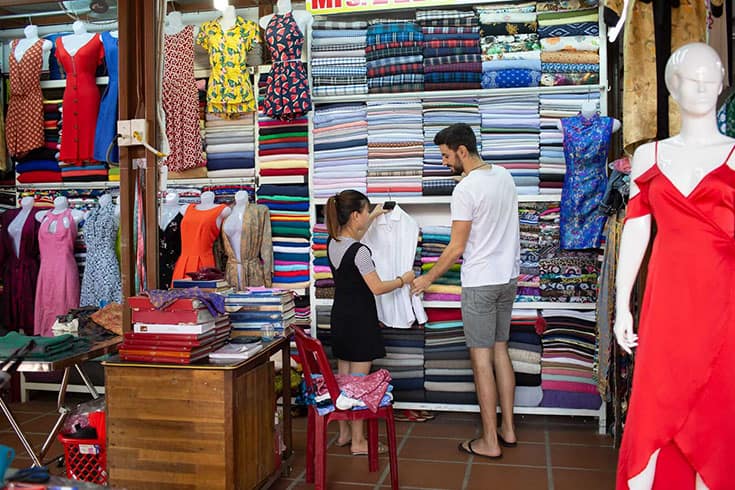
9. Take a cooking class
The best cooking classes start at the local market, where you shop for herbs and vegetables with the cook, then go back to the kitchen to make spring rolls, pancakes and soup. You'll eat everything you cook, and take the recipes home.
10. Explore the caves of Phong Nha
There are dozens of caves in the park. These are the ones I'd choose:
- Phong Nha Cave: you go in by boat along an underground river. About 150,000 dong entry, plus 55,000 dong for a seat on the boat.
- Paradise Cave: a long wooden walkway through huge, beautiful chambers. About 250,000 dong.
- Dark Cave: the fun one. A zipline, a kayak, a swim and a mud bath inside the cave. Bring clothes you don't mind getting dirty.
Prices change, so check the board at the entrance.
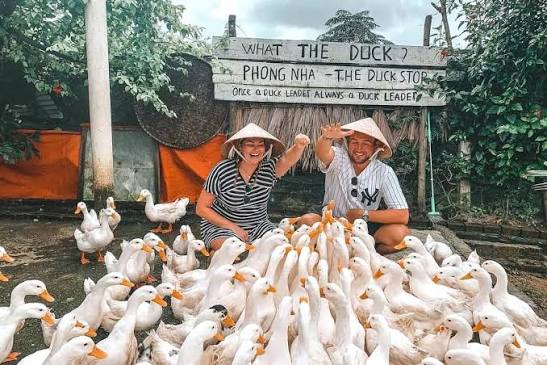
11. Watch a water puppet show
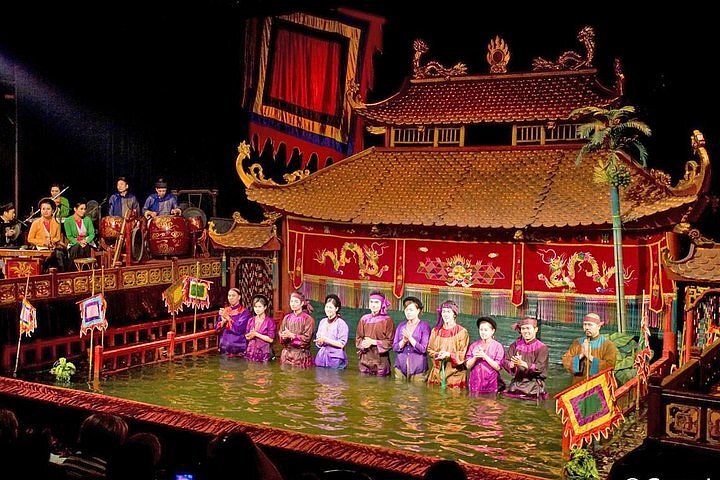
Water puppetry began in the rice paddies of the Red River Delta centuries ago. Puppeteers stand in water behind a screen and make wooden figures dance on the surface, with live music. At the Thang Long Water Puppet Theatre in Hanoi, a show lasts about 50 minutes and tickets cost roughly 100,000 to 200,000 dong.
12. Stay in a Mekong homestay and visit Cai Rang floating market
Go to sleep to the sound of the river, then get up before sunrise for the Cai Rang floating market near Can Tho, where boats sell pineapples, pumpkins and soup to each other on the water.
13. Visit the Cu Chi Tunnels
A network of tunnels used during the war, northwest of Saigon. You can crawl through a short section, and a good guide will tell you how people lived underground. Read our Cu Chi Tunnels guide.
14. Time your trip for a festival
Tet, the Lunar New Year, is the biggest celebration of the year. In 2027 it falls on 6 February. The Mid-Autumn Festival brings lanterns and mooncakes, and Hoi An's full moon nights happen every month. Read our guide to Tet 2027 in Vietnam before you book, because some things close for a few days.
15. Play pickleball with local players
Pickleball has exploded in Vietnam, and there are courts in every big city. Most drop-in sessions are in the evening, when it's cooler, and local players are happy to welcome visitors. A game is the quickest way I know to make Vietnamese friends. Our guide to playing pickleball in Vietnam tells you how to find one.

Find a game in Vietnam
Join Pickleball in Vietnam, our free Facebook group. Ask about courts, find a game and swap tips with players who live here.
Join the groupTop souvenirs to buy in Vietnam
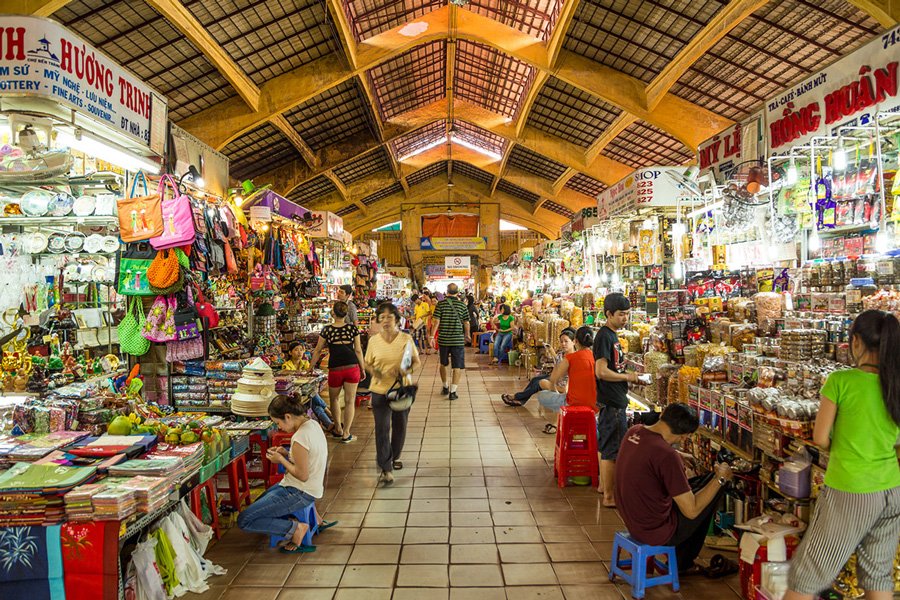
Here are the Vietnam souvenirs that are worth the space in your bag, where to buy them and what to look for.
1. Vietnamese coffee and a phin filter
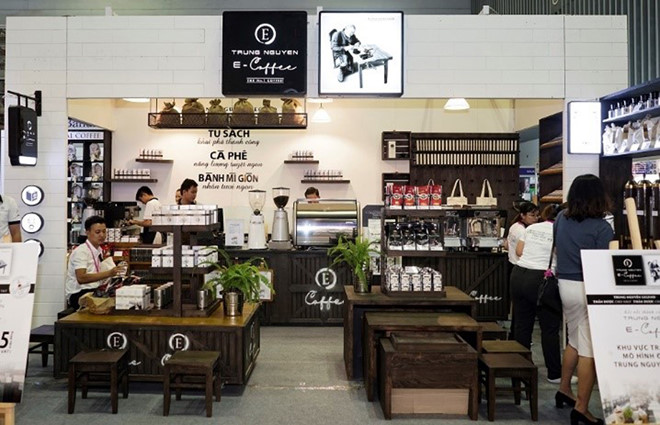
Vietnam is the world's biggest producer of robusta coffee, and a bag of beans plus a small metal phin filter is the souvenir I'd pick first. You'll find coffee for sale everywhere, from supermarkets to Da Lat coffee farms.
2. Silk
Scarves, ties, dressing gowns and sleeping bag liners. In Hanoi, the Old Quarter's Hang Gai Street has been the silk street for generations. In Hoi An, silk shops line the Old Town. Real silk feels cool and smooth, and a burnt thread smells like burnt hair, not plastic.
3. A made-to-measure ao dai
The ao dai, the long Vietnamese tunic worn over trousers, is the country's national dress. Tailors in Hoi An and Hanoi can make one for you in a day or two. Leave time for a second fitting.
4. A conical hat
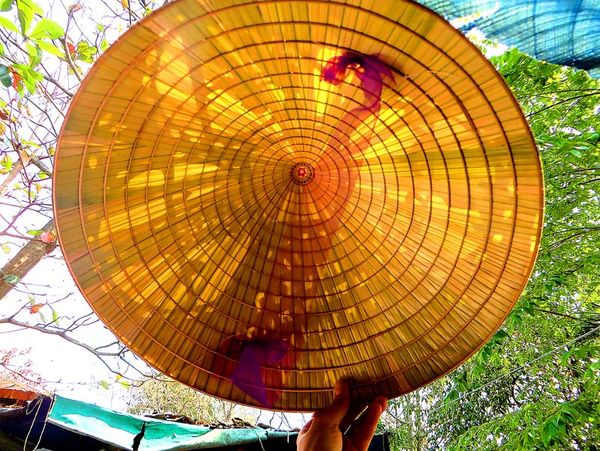
The non la, the palm-leaf conical hat, is everywhere in Vietnam and costs very little. The special one comes from Hue: the non bai tho, or poem hat. Hold it up to the sun and you'll see verses or pictures hidden between the layers of leaf.
5. A silk lantern
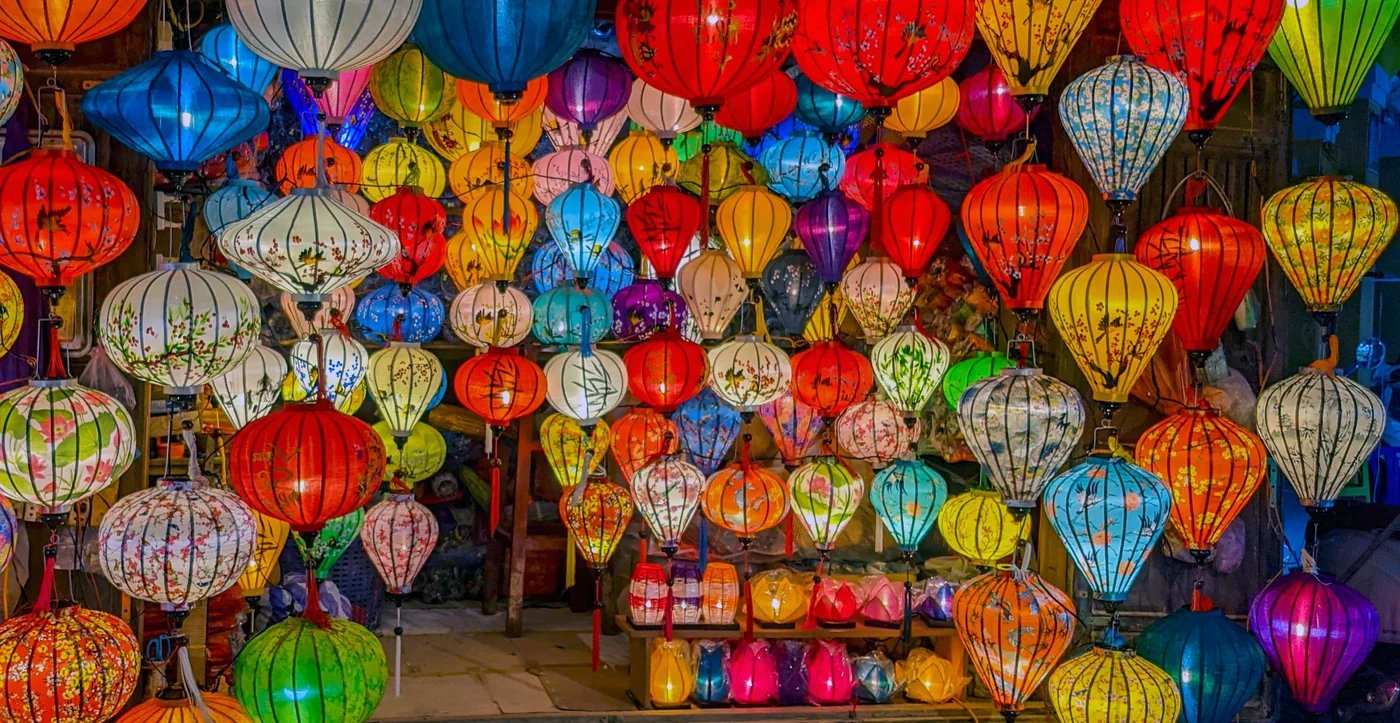
Hoi An is the lantern capital of Vietnam. Most lanterns fold flat, so they're easy to pack. Some workshops will even let you make your own.
6. Lacquerware
Bowls, boxes, trays and paintings, finished with many layers of lacquer, sometimes inlaid with eggshell or mother-of-pearl. Good pieces are heavy and feel smooth all over. Ask the shop to pack them well.
7. Hand-woven textiles
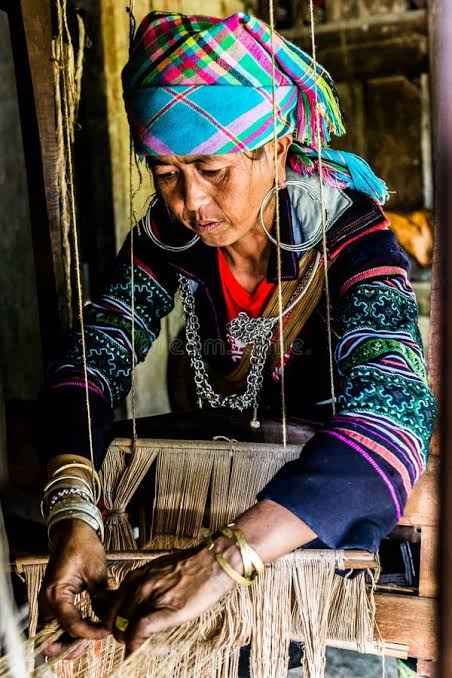
In Sapa and at Bac Ha's Sunday market, Hmong and Dao women sell indigo-dyed hemp, embroidered bags and cushion covers. When you can, buy straight from the women who made them. Hand-woven cloth has small irregularities. If every stitch is perfect, it was probably made by a machine.
8. Propaganda posters
Bold, colourful prints of old government posters, sold in shops around Hanoi's Old Quarter. Almost all of them are modern reprints, which is fine. Just don't pay "original" prices.
9. Dong Ho paintings on do paper
Folk paintings of animals, children and village life, printed from wooden blocks with natural colours on do paper, which is made from tree bark. They come from Dong Ho village near Hanoi, and they're light and easy to carry.
10. Chopsticks and bamboo
A set of wooden or bamboo chopsticks costs a dollar or two. Bamboo bowls, baskets and trays are light, cheap and useful at home.
11. Spices, and a warning about fish sauce
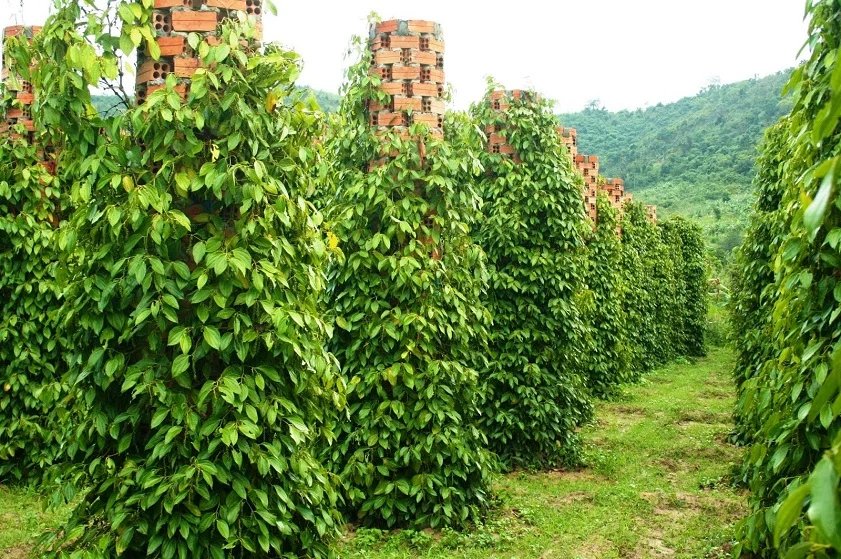
Phu Quoc black pepper, cinnamon and star anise make great gifts for anyone who cooks. Fish sauce is trickier. On Vietnam Airlines you can't carry it in your hand luggage. In checked bags you can take up to 3 litres per person, in sealed plastic bottles with the lids taped, packed in a foam box. Other airlines and your home country may have stricter rules, so check before you buy.
12. Tea and sweets
Lotus tea from Hanoi's West Lake is delicate and special. Green bean cakes from Hai Duong, now part of Hai Phong, come in neat little boxes that travel well. Dried fruit and candied ginger are easy gifts too.
13. A pickleball tee made in Vietnam

If you play, a shirt from the country you played in is a nice thing to bring home. We make our own pickleball tees in Vietnam, and the players we meet on court like to wear them.
Souvenirs you should never buy
- Ivory, turtle shell, rhino horn or coral: illegal to buy and to bring home.
- Snake or scorpion wine: most countries won't let it through customs.
- Fake designer goods: cheap here, but they can be seized at your home border.
How to bargain in Vietnam
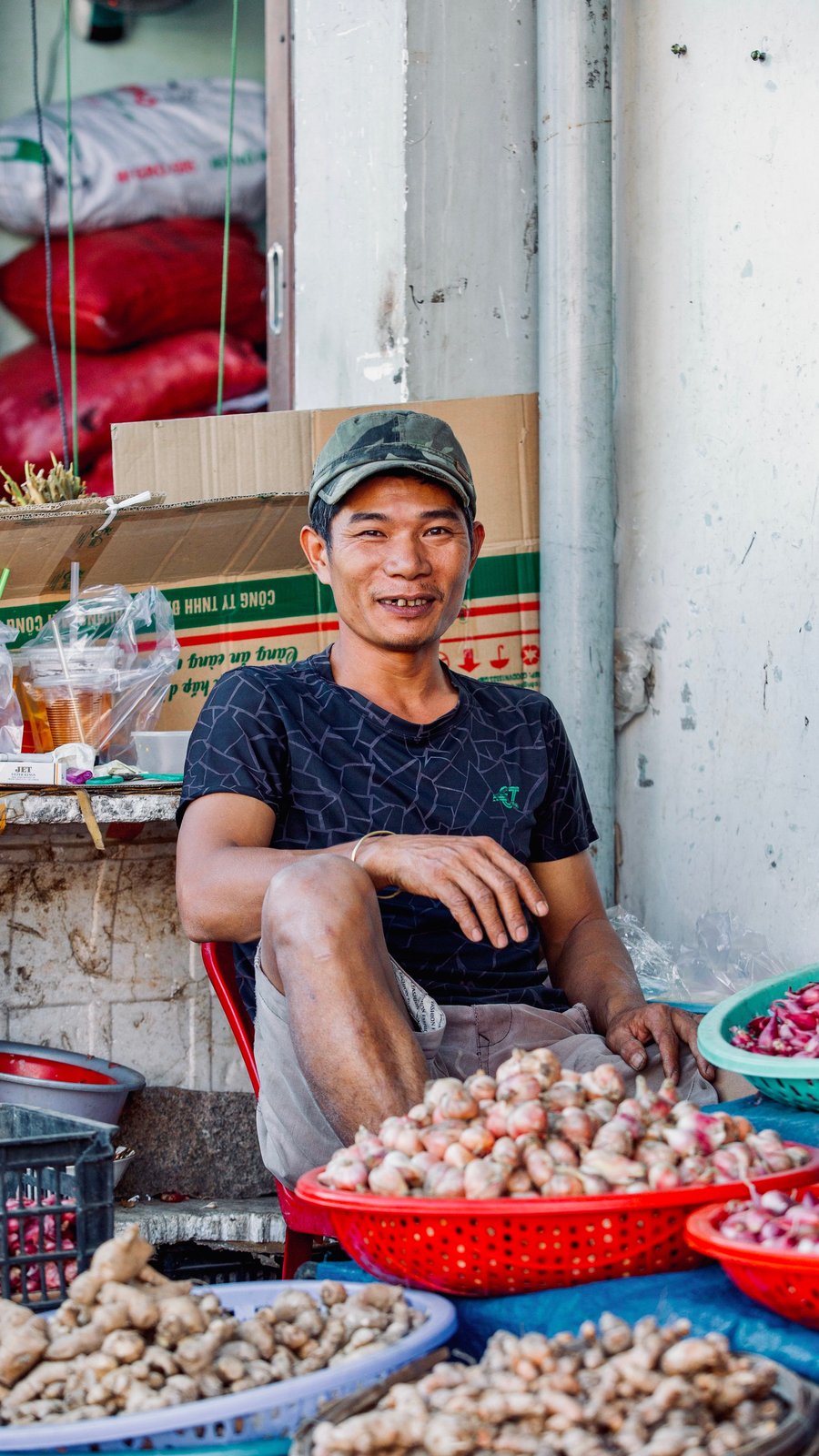
In markets and street stalls, bargaining is normal. Don't feel pressured, and treat it as part of the fun. Ask the price, offer a little more than half, and meet somewhere in the middle. Smile, and keep it friendly. Vendors will usually give you a better price if you're kind. In shops with price tags, prices are fixed, so don't bargain there.
Plan your trip in a few minutes
- How long to stay: ten days for two regions, two weeks for three. See two weeks in Vietnam for a route.
- When to go: each region has a different best season. Our best time to visit Vietnam guide breaks it down.
- Visa: many nationalities need an e-visa. Read Vietnam e-visa explained.
- Getting online: see our Vietnam SIM and eSIM guide.
- Money: cash, cards and ATMs in our money in Vietnam guide.
Things to do in Vietnam FAQ
What is the number one thing to do in Vietnam?
Talk to local people, wherever you are. Those moments are what you'll remember most. And drink the coffee in every region you visit, because it's different everywhere.
Where should I go in Vietnam for the first time?
That depends on you. Do you love beaches or mountains? Do you want to be busy, or rest in a resort? Answer that, send us your answer, and we'll suggest the route that fits what you enjoy.
What is Vietnam famous for buying?
Coffee, silk, tailored clothes from Hoi An, conical hats, silk lanterns, lacquerware and hand-woven textiles from the northern mountains.
How many days do you need in Vietnam?
Ten days covers two regions comfortably and two weeks covers three. To see the whole country from north to south without rushing, allow three weeks or more.
Is it cheap to shop in Vietnam?
Yes, especially for clothes, coffee, crafts and tailoring. Bargain politely in markets, and pay the marked price in shops with price tags.
What souvenirs can't you bring back from Vietnam?
Anything made from ivory, turtle shell, rhino horn or coral, snake and scorpion wine, and fake designer goods. Fish sauce can't go in hand luggage on Vietnam Airlines, and other airlines and countries may restrict it.
The bottom line
The best things to do in Vietnam are simple: eat well, drink the coffee, slow down and talk to people. Choose a few of these places instead of all of them, leave room in your bag for coffee and a lantern, and get something made in Hoi An. If you'd like help, we'll plan a private trip around your dates and what you love, with pickleball games in the cities you pass through. Message us on WhatsApp or send us your details.